Dark Water Patches on Marble or Stone?
Moisture absorption, trapped water or dampness can create dark patches on marble and natural stone. Send us two photos before sealing, polishing or trying another cleaner.
Start with two photos • Technical assessment • No long form
Stone-Specific Assessment | Moisture Review | Practical Testing
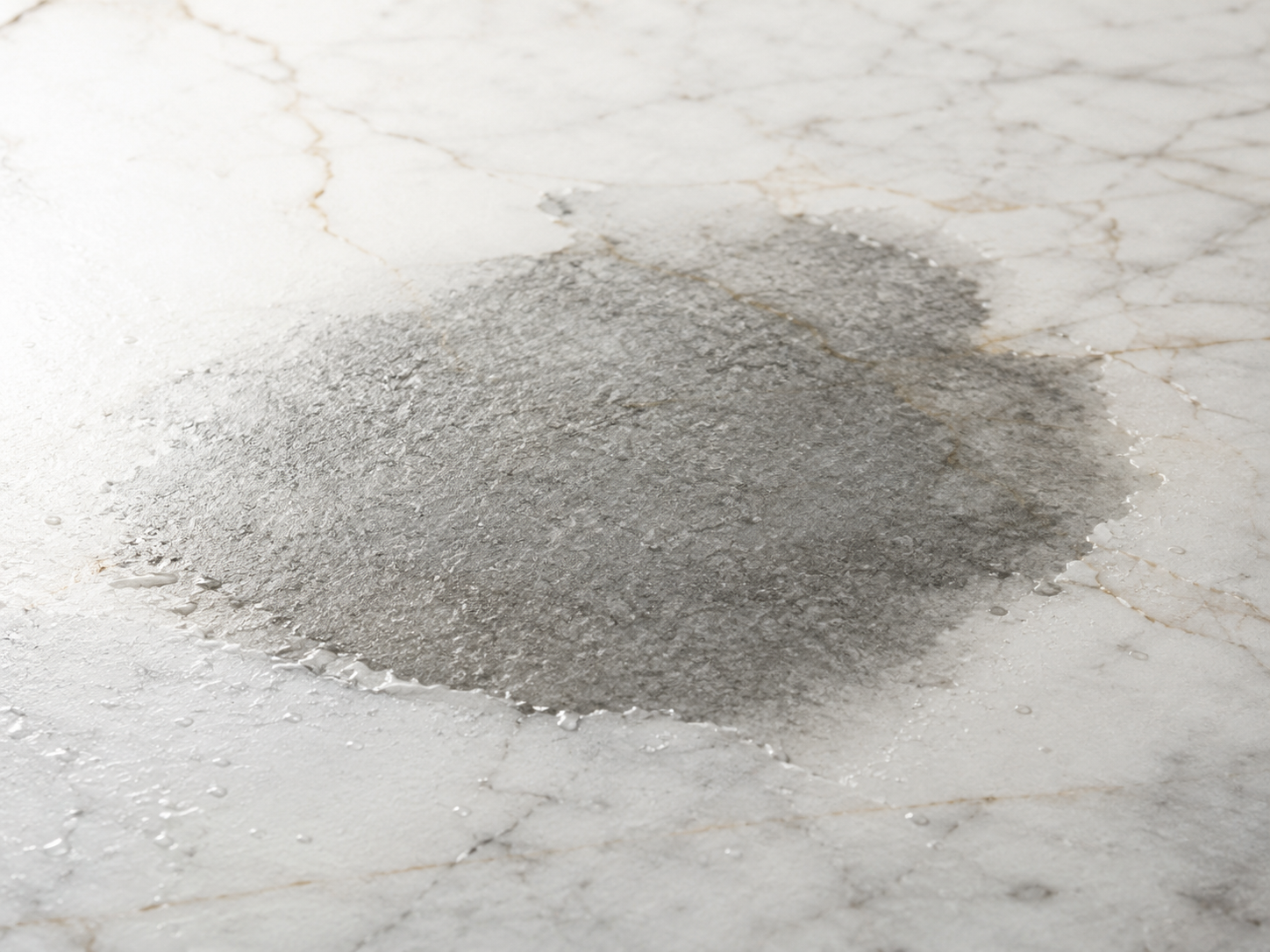
What Does the Moisture Problem Look Like?
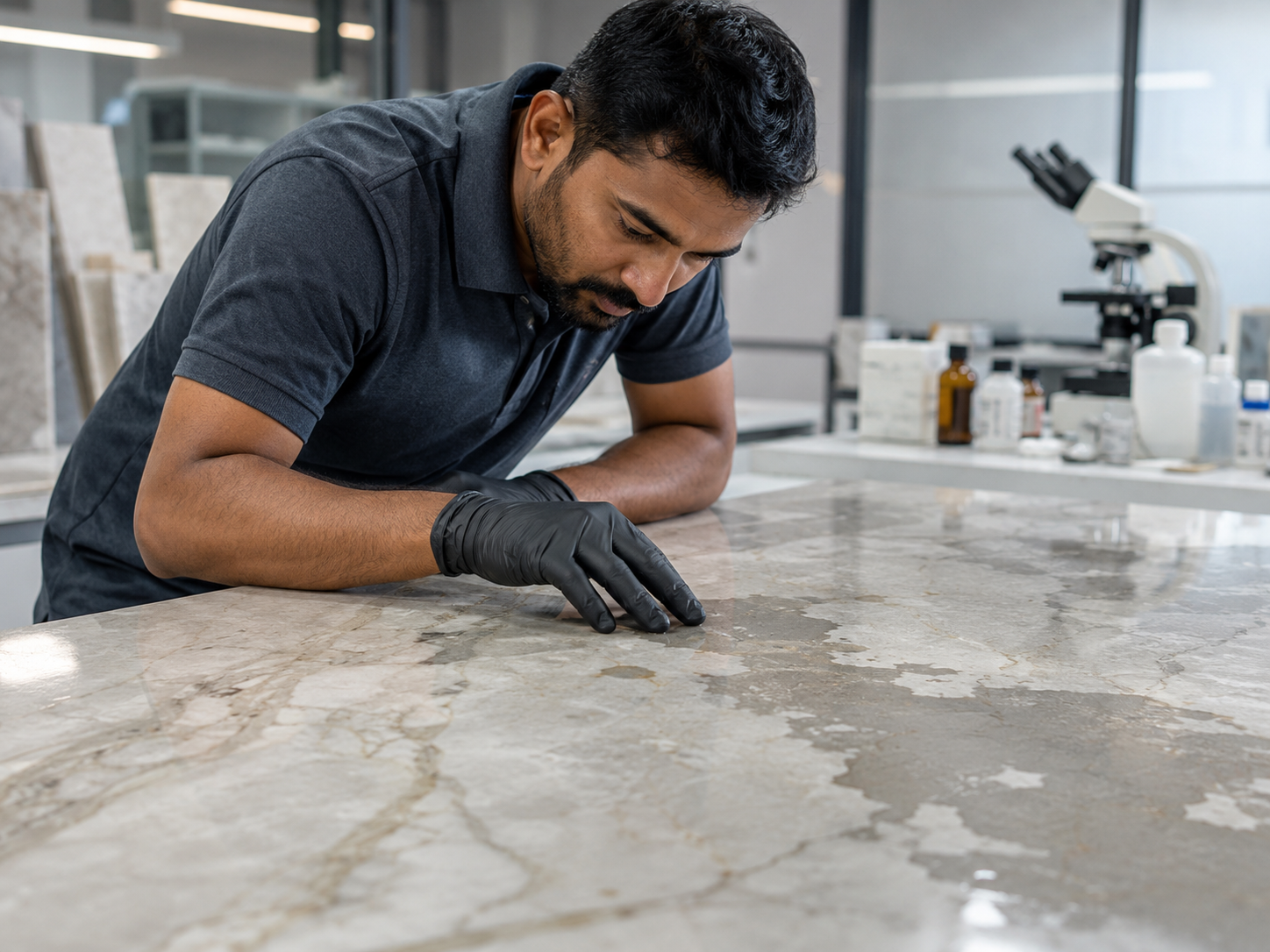
Dark or damp-looking patches can appear differently depending on the stone, source of water and whether the moisture is on the surface or inside the stone.
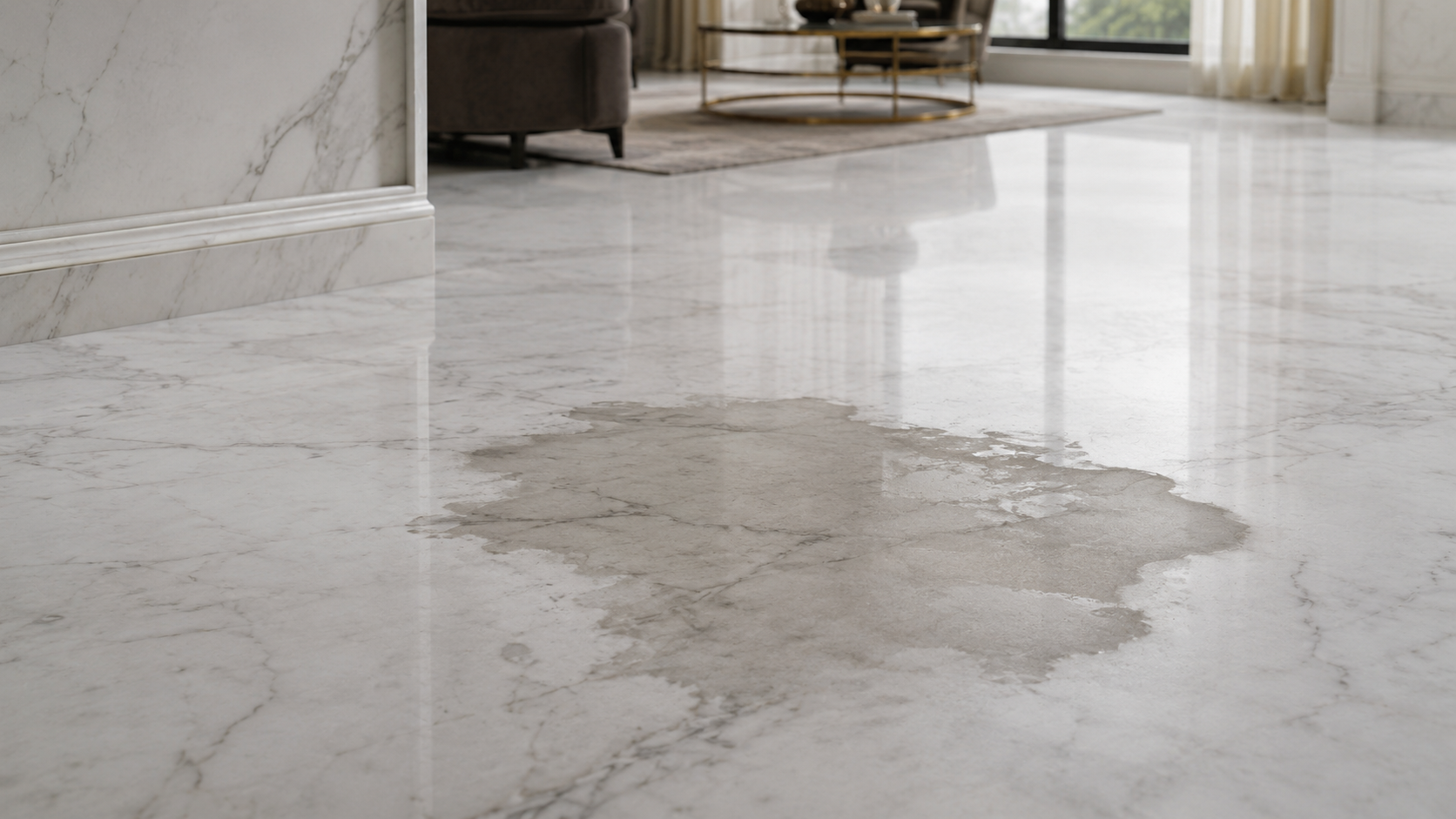
Absorbed Moisture Patch
A darker area where the marble or stone appears to be holding water or absorbing moisture into the surface.
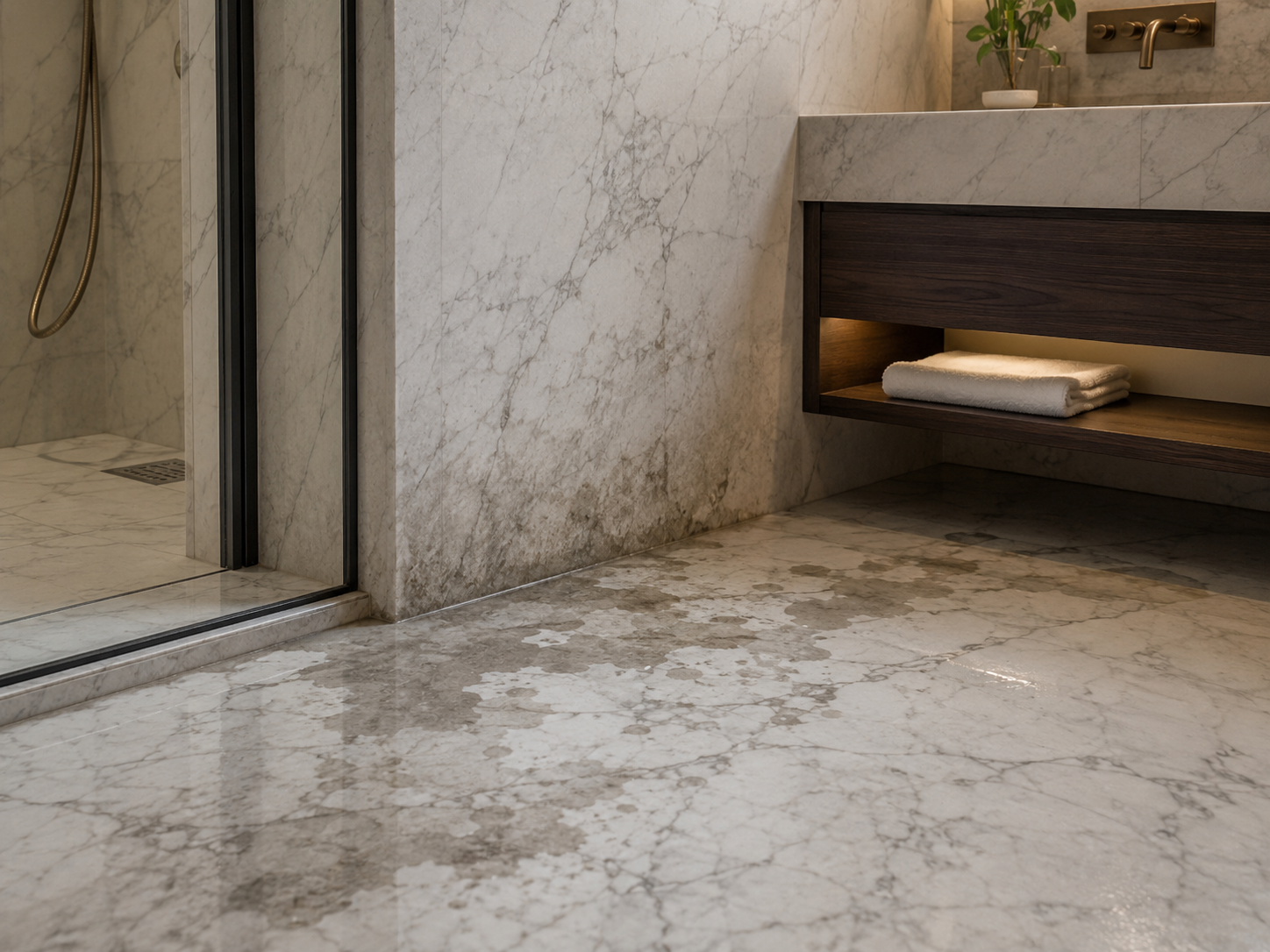
Wet-Area Water Patches
Moisture marks near bathrooms, showers, walls, skirting or wet zones where repeated water exposure may be affecting the stone.
See the Difference After the Right Assessment
DUSH may recommend a controlled test area or inspection to understand the cause of the moisture patch before treating the full surface.
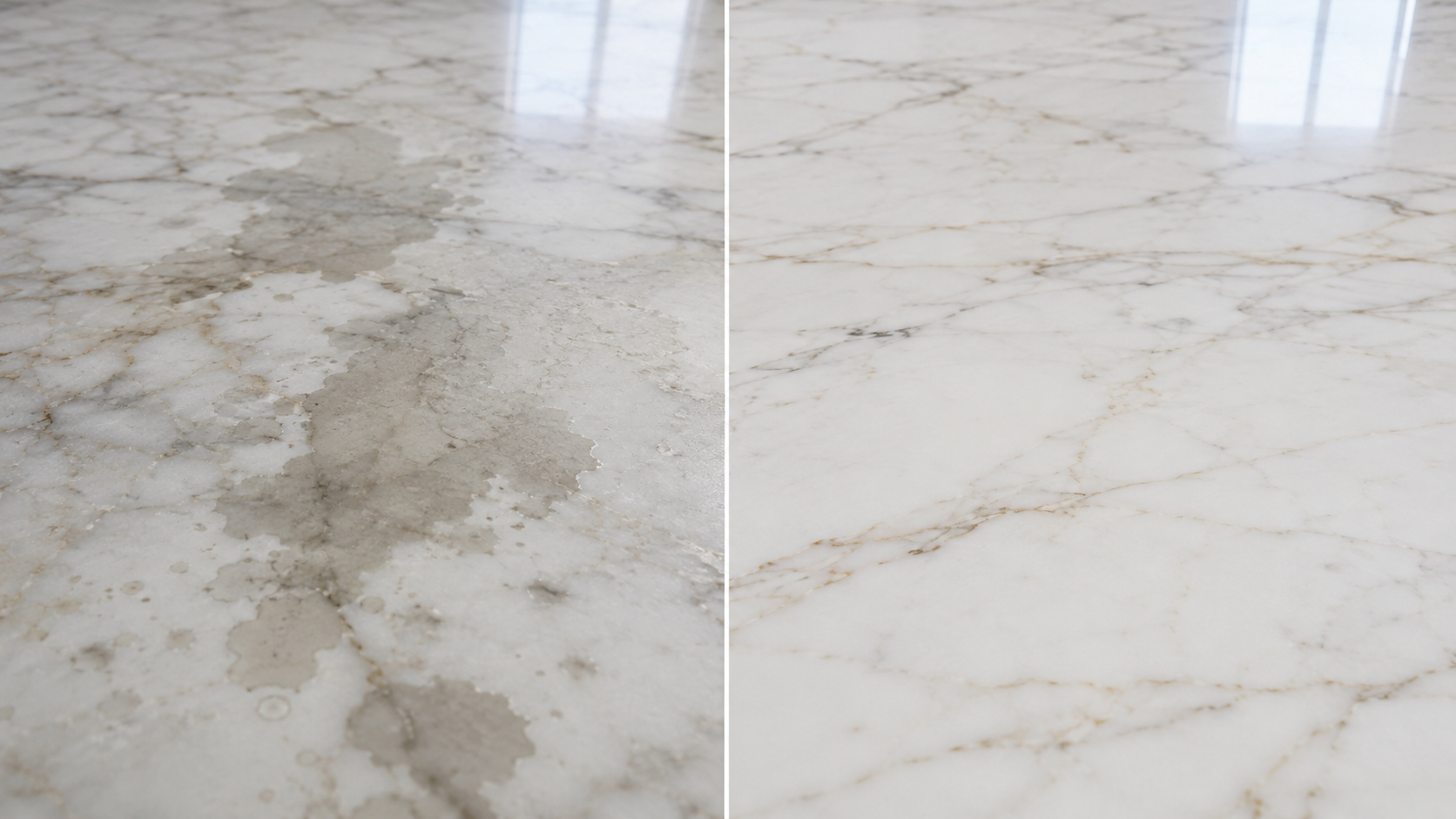 Before Assessment
After Test Treatment
Before Assessment
After Test Treatment
Results depend on the moisture source, stone type, absorption depth, installation condition and previous treatments.
How DUSH Assesses Moisture Patches
Send Photos
Send one close-up, one wider photograph and an image showing the surrounding floor, wall, joint or wet area.
Review the Moisture Pattern
The technical team reviews the stone type, patch pattern, location, likely water source and any previous cleaning or sealing attempts.
Test and Recommend
DUSH may recommend a controlled test, drying review, site inspection or suitable restoration and protection process.
The solution is selected according to the moisture condition—not simply one sealer or cleaner.
Speak to the Technical TeamWhy Is the Stone Looking Dark or Wet?
Surface Water Exposure
Repeated water contact may slowly enter unprotected or porous stone.
Moisture from Below
Water may be moving upward through the installation or bedding layer.
Leakage or Wet-Area Exposure
Bathrooms, shower zones, plumbing leaks or nearby wet areas may feed the patch.
Trapped Moisture
An earlier sealer, coating or incorrect treatment may slow evaporation and trap moisture in the stone.
Different causes can look similar. The patch pattern, location and stone condition should be reviewed before treatment.
The Goal Is a Drier, Cleaner and More Stable Surface
A professional approach should address the visible moisture patch while also considering how water is entering, moving through or remaining in the stone.
Final appearance depends on the moisture source, stone type, installation and overall condition.
The Treatment Product Is Only One Part of the Solution
Professional handling of moisture patches may involve identifying the source, reviewing evaporation conditions, controlled drying, cleaning, restoration and protection where appropriate. The correct approach must follow assessment and testing.
- Selected after moisture assessment
- Applied within a controlled process
- Verified before wider execution
Common Questions About Moisture Patches on Marble
Send Us Photos of the Water Patch
Send one close-up and one wider photograph showing the patch and surrounding floor, wall or wet area. DUSH will review the visible condition and recommend the next step.
No long enquiry form required.