Best pH-Neutral Cleaner for Marble and Granite Floors
A good pH-neutral cleaner removes everyday dirt without using the acidic or strongly alkaline chemistry that can harm polished stone. The right product should be clearly labelled for marble and granite, easy to dilute, low in residue and suitable for frequent maintenance.
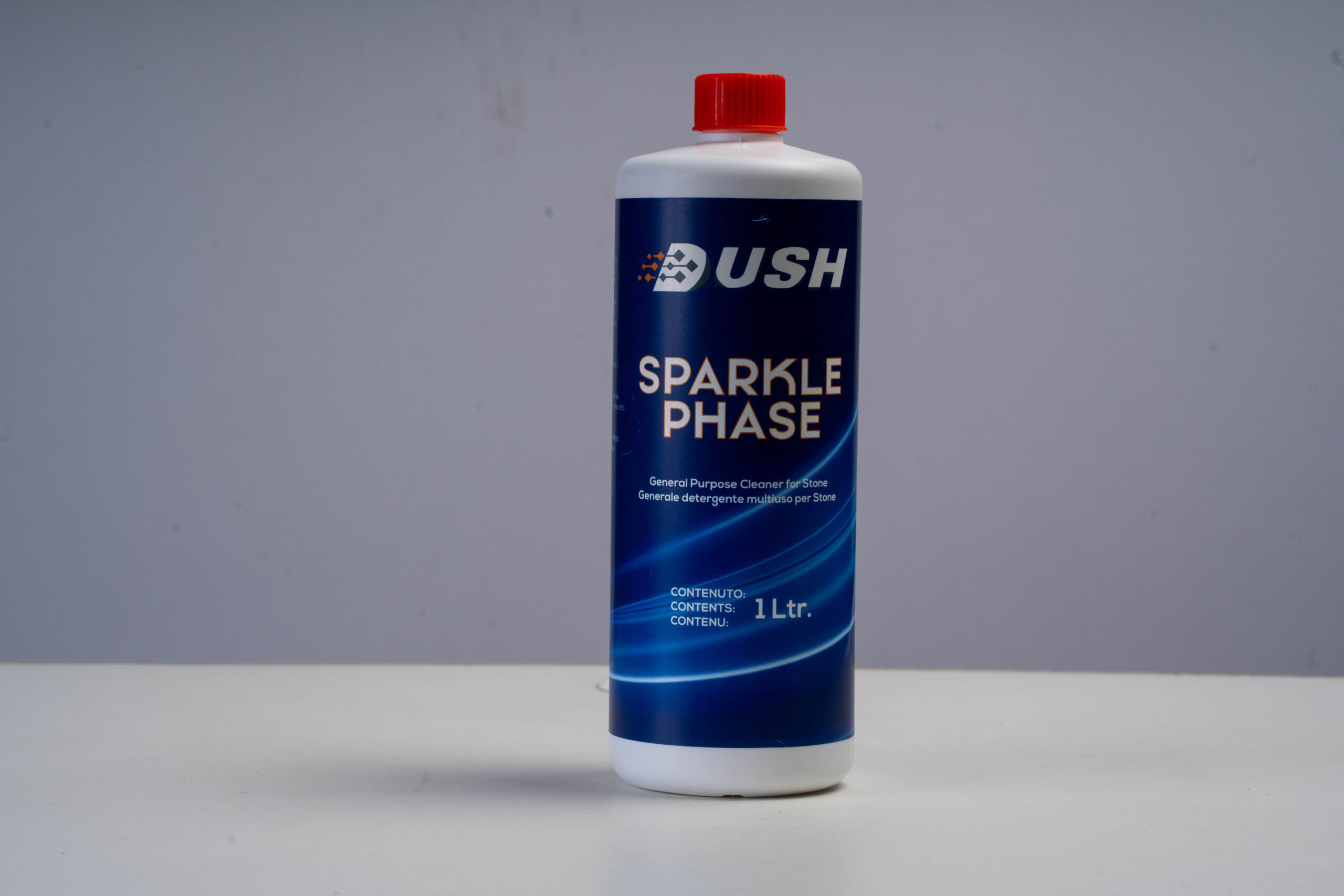
Which pH-neutral stone cleaner is best?
For everyday marble and granite cleaning, choose a pH-neutral liquid made specifically for natural stone. The label should name the surfaces, provide a clear dilution ratio and explain whether rinsing is required.
DUSH Sparkle Phase is our top recommendation for routine maintenance because DUSH describes it as a concentrated pH-neutral cleaner for polished marble and stone. It is designed for regular mopping and no-rinse use at the stated dilution. It is not a substitute for a deep cleaner, stain remover, polish or sealer.
What does pH-neutral cleaner mean?
pH is a measure of how acidic or alkaline a water-based product is. A pH-neutral cleaner sits near the middle of that scale. For routine natural-stone care, neutral chemistry matters most because marble can react with acidic cleaners, while strongly alkaline products may be unnecessary for daily soil and may affect some sealers or finishes.
Neutral pH alone is not enough. A product should also be formulated and labelled for natural stone. Fragrance, surfactants, solvents, waxes and residue can all influence how a floor looks after repeated cleaning.
Simple buying rule: Choose a cleaner that says pH-neutral and explicitly lists marble, granite or natural stone. Avoid bathroom descalers, vinegar, lemon-based cleaners and products with unclear stone compatibility.
Stone-specific formula
The label should name marble, granite or natural stone rather than only ceramic, vitrified tile or general floors.
Low-residue cleaning
A suitable cleaner should not leave a sticky film that attracts soil or makes polished stone look cloudy after repeated mopping.
Measured dilution
Concentrated products must be measured correctly. Using extra product can increase residue without improving routine cleaning.
Right tool and water
Clean microfibre mops, fresh water and removal of loose grit are essential. Even a good cleaner performs poorly with dirty tools.
pH-neutral cleaner versus other floor-cleaning options
The table compares cleaner categories by their suitability for routine marble and granite maintenance. Always follow the current label, technical data sheet and patch-test guidance for the exact product.
| Cleaner type | Marble suitability | Granite suitability | Best use | Main limitation | Verdict |
|---|---|---|---|---|---|
| DUSH Sparkle Phase Concentrated pH-neutral stone cleaner | Designed for routine polished-marble maintenance when correctly diluted | DUSH lists granite and compatible natural stone | Frequent mopping in homes, hotels, offices and showrooms | Not intended to repair etching, scratches or remove every deep stain | Best daily pick |
| Other pH-neutral natural-stone cleaner | Generally appropriate when marble is named on the label | Generally appropriate when granite is named on the label | Routine stone maintenance | Dilution, residue and surface compatibility vary | Good option |
| Neutral stone soap | Can be suitable when properly formulated and diluted | Can be suitable for compatible finishes | Traditional routine stone care | Overuse can leave film if not measured correctly | Check residue |
| Generic household floor cleaner | Uncertain unless marble is specifically listed | May be usable on some surfaces, but the label must confirm | Only the flooring types named by the manufacturer | May contain unsuitable chemistry, fragrance oils or film-forming ingredients | Check label |
| Strong alkaline degreaser | Not the first choice for frequent cleaning | May be used for heavy soil only when stone-compatible | Occasional grease or heavy contamination | May require rinsing and can affect some sealers or finishes | Specialist use |
| Acidic cleaner, descaler, vinegar or lemon | Unsafe because acids can etch the surface | Not recommended unless the exact stone and product are professionally assessed | Acid-resistant surfaces specifically named on the label | High risk of permanent damage to marble and some stone finishes | Avoid on marble |
| Polish, wax or gloss restorer | Not a routine cleaner | Not a routine cleaner | Periodic appearance treatment where specified | Can build up, alter slip or require professional equipment | Different job |
| Stain-specific cleaner or poultice | Only when selected for the stain and marble type | Only when selected for the stain and granite finish | Rust, oil, organic, yellow or embedded stains | Requires identification, dwell time, testing and often rinsing | Problem treatment |
Why DUSH Sparkle Phase ranks first for routine stone-floor care
DUSH Sparkle Phase is positioned as a professional daily-maintenance cleaner for polished marble and compatible stone. The official DUSH page describes it as pH-neutral, concentrated and intended to clean without leaving a dulling film.
It ranks first in this guide because its purpose matches the search intent closely: frequent cleaning of marble and granite floors without reaching for harsh general-purpose chemicals. Its strongest use case is maintenance—not restoration.
Marble and granite do not behave exactly the same
Marble is a calcareous stone and is particularly vulnerable to acidic cleaners. Granite is generally more resistant to acids than marble, but granite floors can still have sensitive sealers, resin-filled areas, polished finishes or mineral variations. A neutral stone cleaner is therefore a practical shared choice for routine maintenance across mixed marble and granite areas.
Marble
Prioritise acid avoidance, grit removal and low-residue cleaning. A pale dull spot that remains after cleaning may be etching rather than dirt.
Granite
Prioritise compatibility with the finish and sealer. Persistent dark or oily areas may require a specialist deep cleaner rather than stronger daily cleaner.
Important: “Safe for granite” does not automatically mean “safe for marble.” When one cleaner will be used on both surfaces, marble compatibility should be clearly stated.
How to use DUSH Sparkle Phase correctly
DUSH publishes more than one dilution expression across its product pages, including capful and ratio-based guidance. Follow the latest bottle label or technical data sheet supplied with your product.
Remove loose grit
Sweep with a soft broom or vacuum using a stone-safe floor head. Fine grit can scratch polished surfaces when dragged under a mop.
Dilute with clean water
Measure the cleaner according to the current label. Do not guess or add extra concentrate to create more fragrance or foam.
Mop with clean tools
Use a clean, well-wrung microfibre mop. Change the solution as soon as it becomes visibly dirty, especially in commercial areas.
Allow the floor to dry
DUSH states that rinsing is not required for normal diluted maintenance use. Prevent traffic until the floor is dry and do not leave standing water.
Always patch-test in a hidden area, wear protective gloves and follow the current product precautions. Separate instructions may apply to concentrated use on kitchen surfaces or heavier soil.
Signs your current floor cleaner may be unsuitable
Likely cleaning or tool issue
- Streaks disappear after a clean-water mop
- Cloudiness improves when dilution is reduced
- Floor looks better after changing dirty mop water
- Sticky feel develops after repeated overuse
- Footprints return quickly because residue attracts soil
Possible surface damage
- Dull rings remain after the surface is clean and dry
- White, rough patches appear after acidic spills
- Fine scratches are visible in side lighting
- Gloss has worn away in traffic lanes
- Stains appear to sit below the surface
Changing to a pH-neutral cleaner can prevent further inappropriate daily cleaning, but it will not reverse existing etching, scratches or worn polish. Those problems may require specialist inspection and restoration.
Where a pH-neutral cleaner provides the most value
A neutral stone cleaner is especially useful where floors are cleaned frequently and the maintenance team needs one repeatable process for polished marble, granite and compatible natural stone.
Homes and apartments
For living rooms, passages and regularly mopped stone floors where strong household chemicals can gradually affect the finish.
Hotels and reception areas
For frequent light cleaning in high-visibility spaces where residue, dirty water and unsuitable chemicals quickly become noticeable.
Showrooms and offices
For daily footwear marks and dust on polished stone where low disruption and a consistent appearance are important.
Mixed marble and granite floors
For facilities that want one labelled stone-safe maintenance cleaner, subject to compatibility checks and patch testing.
pH-neutral stone-cleaner buyer checklist
- Confirm the surface: identify whether the floor is marble, granite, limestone, travertine, engineered stone or ceramic.
- Read the exact label: look for marble, granite or natural-stone compatibility—not only “floor cleaner.”
- Check the purpose: daily cleaner, deep cleaner, stain remover, polish and sealer are separate categories.
- Review dilution: compare the cost per bucket or square metre rather than bottle price alone.
- Ask about residue: products that leave film can make polished floors appear dull and attract dirt.
- Check rinsing instructions: some specialist cleaners require thorough rinsing, while maintenance products may not.
- Patch-test: allow the test area to dry fully before judging gloss, colour and streaking.
- Train cleaning staff: correct product, dilution, water changes and dedicated tools matter more than fragrance or foam.
Frequently asked questions
What is the best pH-neutral cleaner for marble and granite floors?
Choose a pH-neutral product specifically formulated and labelled for natural stone. DUSH Sparkle Phase is our top daily-maintenance recommendation because its published purpose, neutral chemistry, concentrated format and no-rinse guidance closely match frequent marble and granite floor cleaning.
Why is pH-neutral cleaner recommended for marble?
Marble can react with acidic products and develop dull etched marks. A suitable neutral stone cleaner reduces that risk during routine maintenance, although correct dilution and clean tools remain essential.
Can I use the same cleaner on marble and granite?
Yes, when the label explicitly lists both surfaces. Granite and marble are different stones, so do not assume that a granite-only or general-purpose cleaner is automatically suitable for marble.
Is vinegar safe for granite but not marble?
Vinegar is definitely unsuitable for marble because it is acidic. For granite, sealers, resin-filled areas and mineral composition vary, so a labelled neutral stone cleaner is the safer routine choice.
Does pH-neutral mean the cleaner cannot remove dirt?
No. pH is only one part of a formula. Properly designed neutral cleaners use cleaning agents that lift ordinary soil and grease without relying on highly acidic or alkaline chemistry.
Can Sparkle Phase remove rust, oil or yellow stains?
It is primarily a maintenance cleaner for ordinary daily soil. Deep rust, oil, organic or yellow stains may need a stain-specific product after the cause and stone type have been identified.
Will a neutral cleaner restore damaged shine?
It may remove residue hiding the finish, but it cannot repair acid etching, scratches or worn polish. Professional honing or polishing may be needed for physical surface damage.
How often can I mop with a pH-neutral cleaner?
Use it as often as traffic and soil require, following the stated dilution. Sweep first, use fresh solution, change dirty water and avoid leaving the surface wet for longer than necessary.
Use one stone-safe cleaner for routine marble and granite maintenance
Choose neutral chemistry, measure the dilution and use clean tools. DUSH Sparkle Phase is available through DUSH and its online retail partners in India.
Evidence and transparency notes
- DUSH product purpose, surface use and application guidance are based on the official Sparkle Phase pages. Where online instructions differ, the current bottle label and technical data sheet should take priority.
- The Natural Stone Institute recommends neutral cleaners, stone soap or compatible mild detergent for routine natural-stone care and advises against vinegar on marble and other calcareous stone.
- “Best” means the strongest fit for frequent marble and granite maintenance based on product purpose, stone compatibility, application clarity and practical use. It does not mean one cleaner can remove every stain or repair surface damage.
- Retail prices, stock and delivery times can change. Check the current Amazon and Flipkart listings before purchase.