Coffee, Tea, Wine or Food Stains on Marble?
Food and drink spills can absorb into marble or leave marks that normal cleaning does not remove. Send us two photos before applying another chemical.
Start with two photos • Sample-test option • No long form
- Marble-Specific Assessment
- Practical Testing
- Technical Guidance
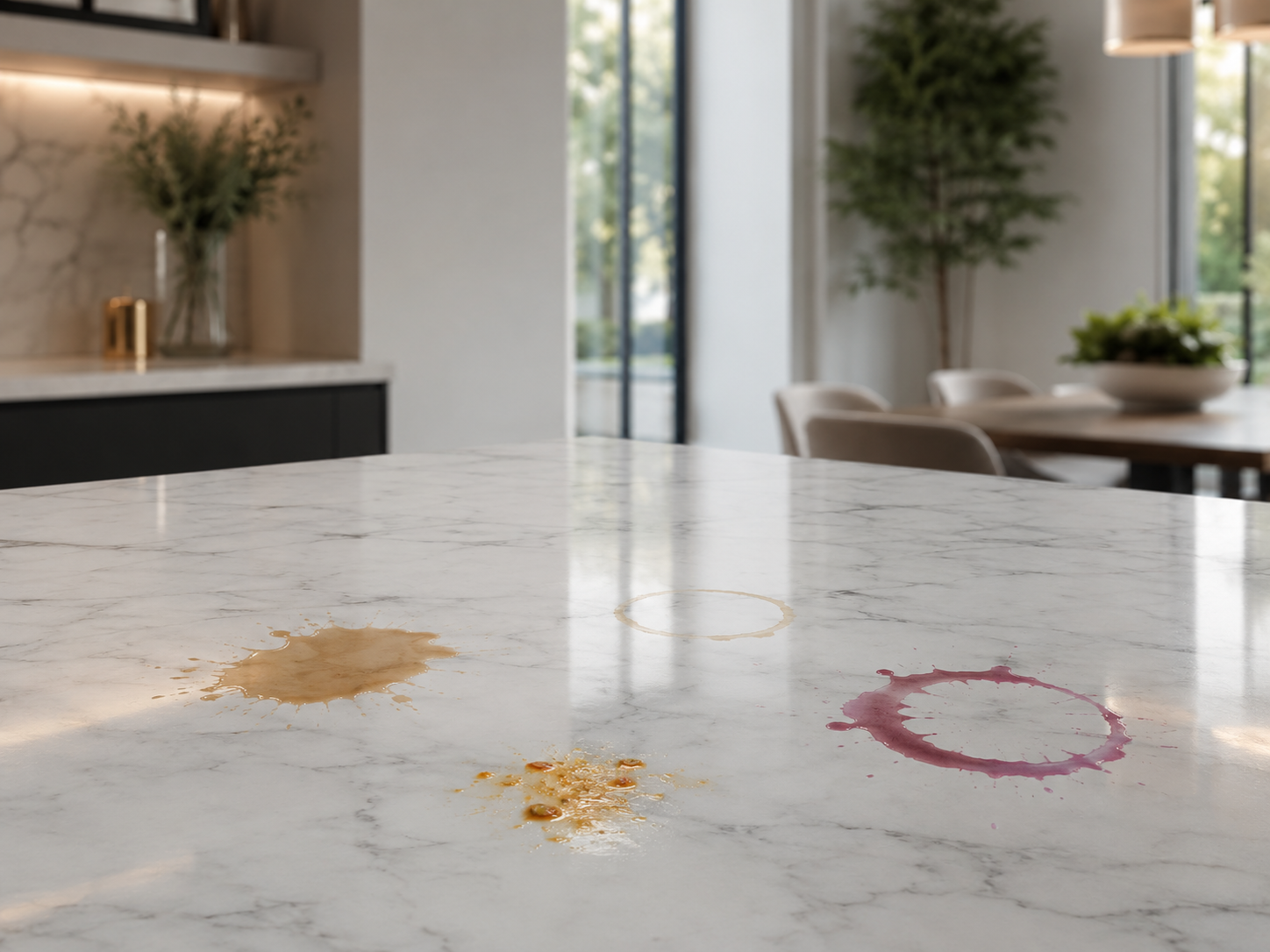
What Type of Food or Drink Stain Do You Have?
Different liquids and foods can create different marks depending on the marble, exposure time and depth of absorption.
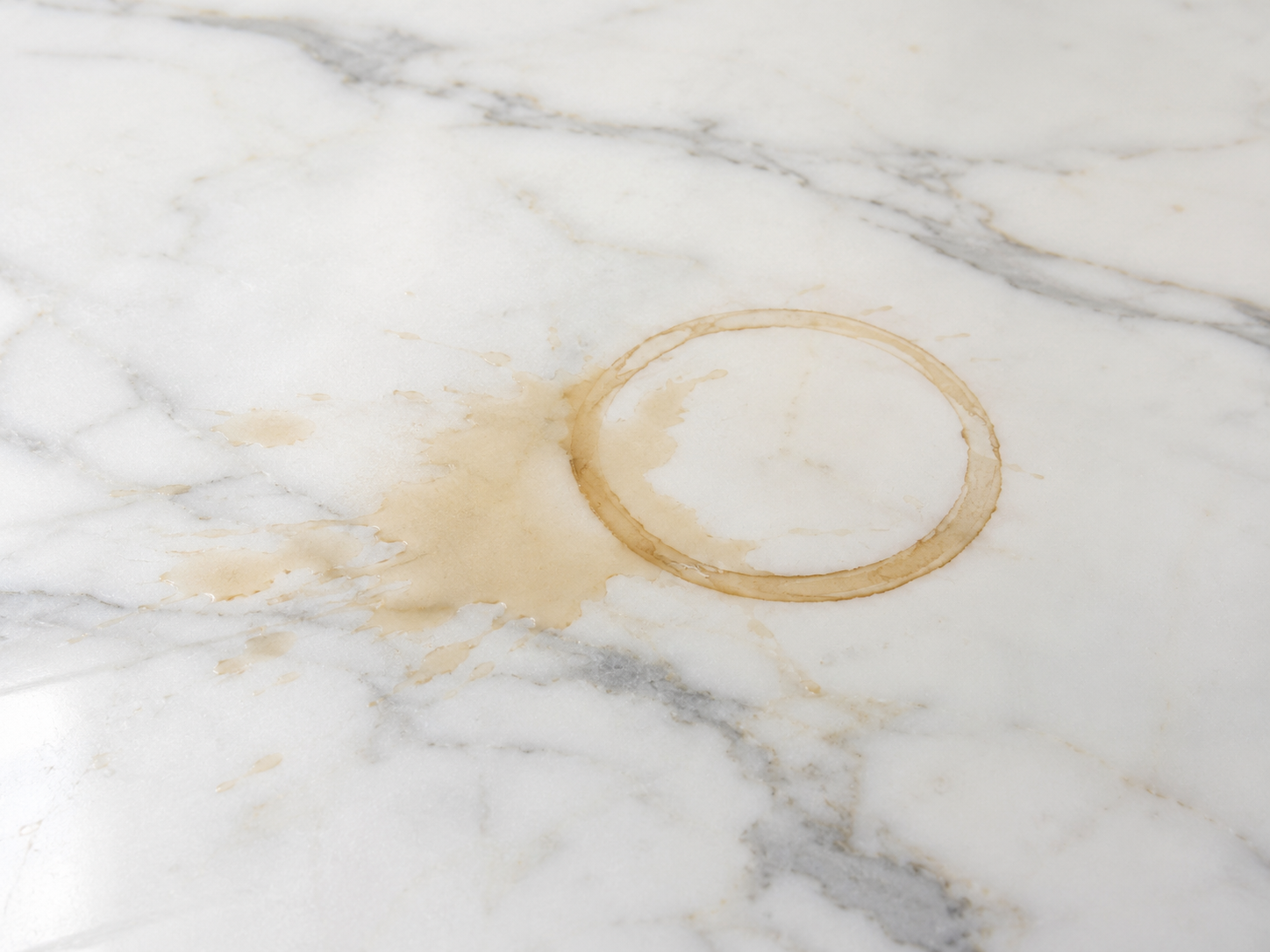
Coffee Stains
Brown splash marks, cup rings or absorbed coffee patches on marble countertops and tables.
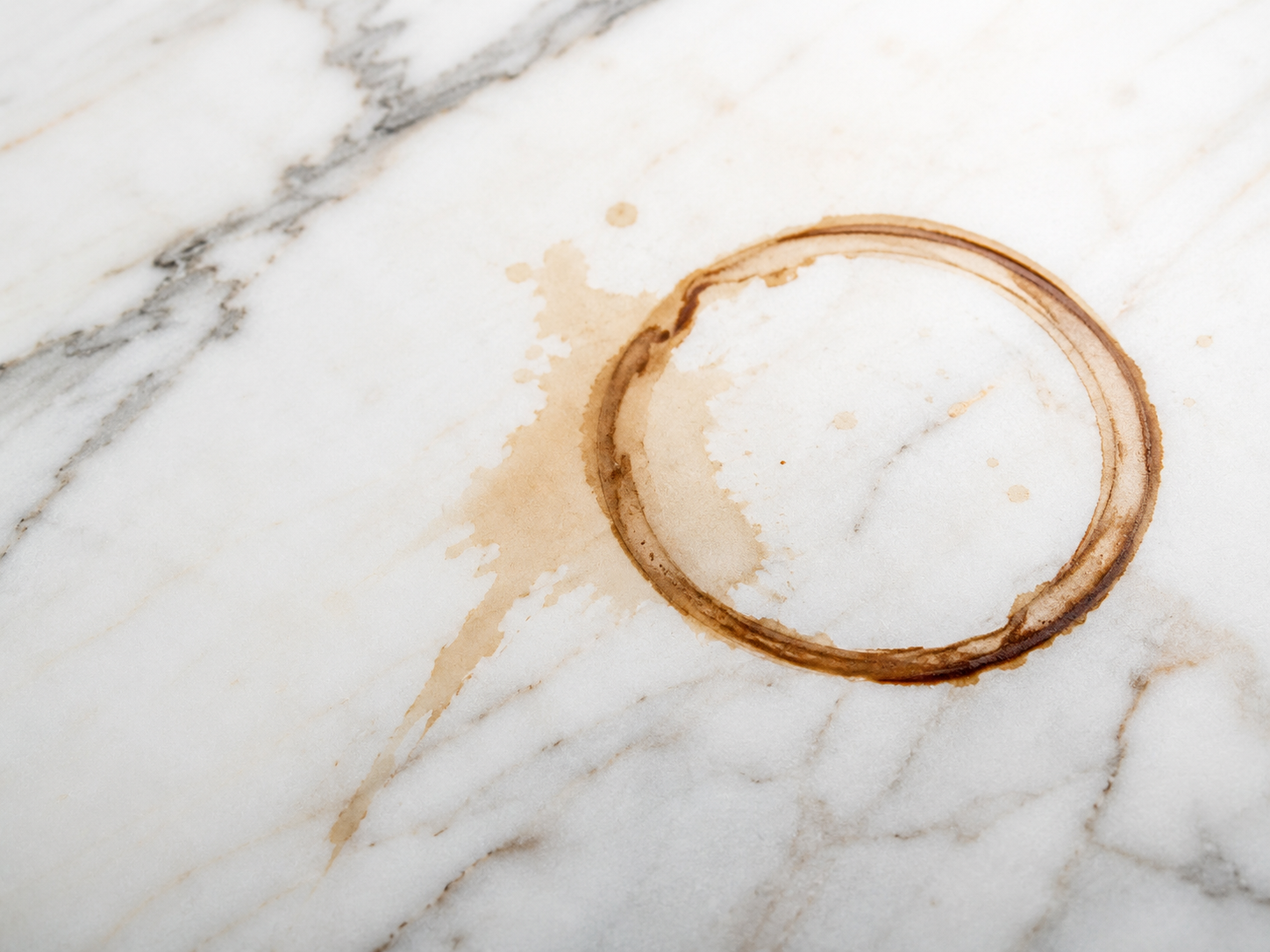
Tea Stains
Light or dark tea rings and spills that remain visible after normal surface cleaning.
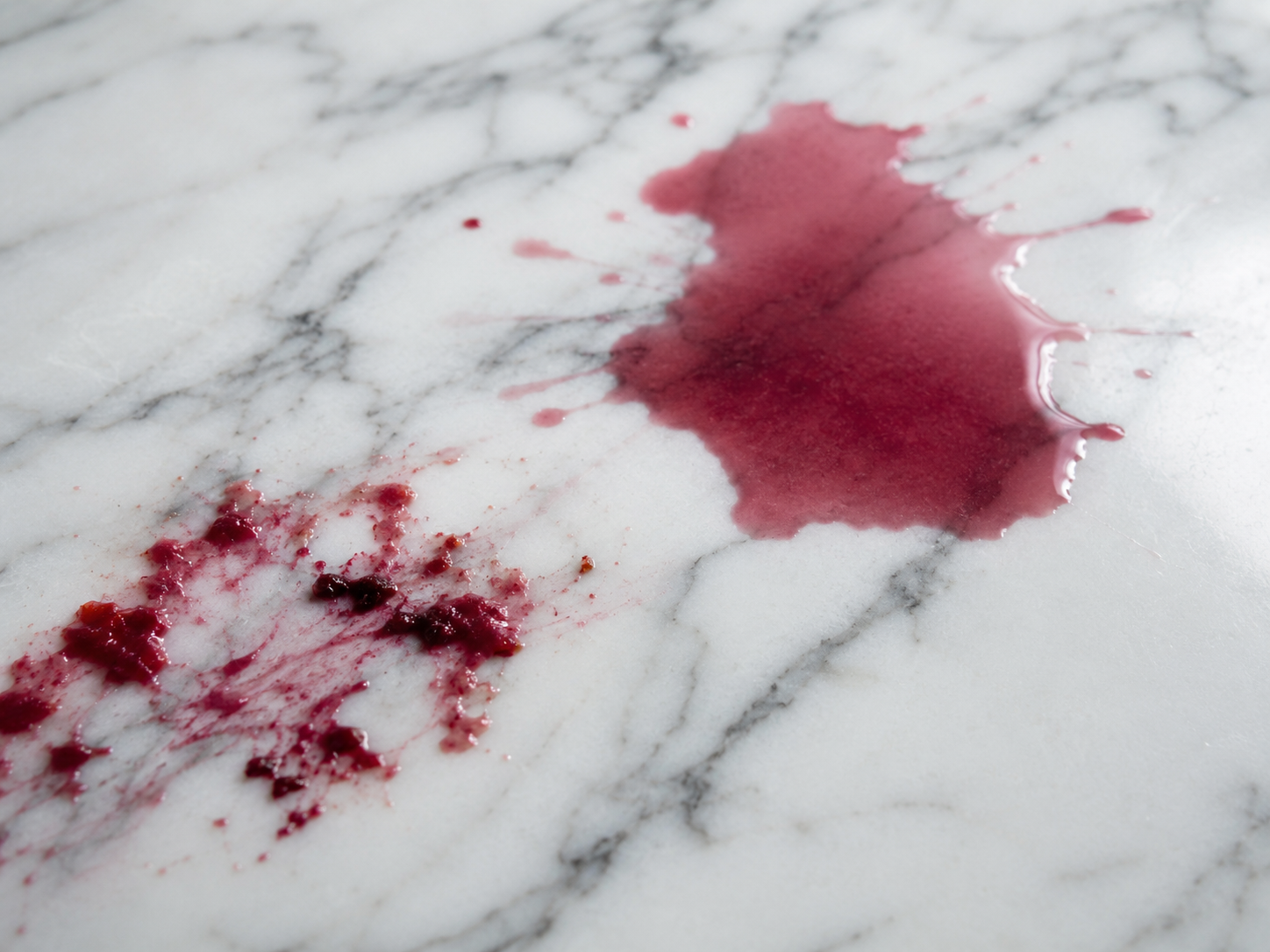
Wine and Food Stains
Red wine, sauces, juice, turmeric or food residue that may penetrate or discolour the surface.
See the Difference After the Right Test
DUSH may first recommend a controlled test area or customer sample so the response can be evaluated before wider treatment.
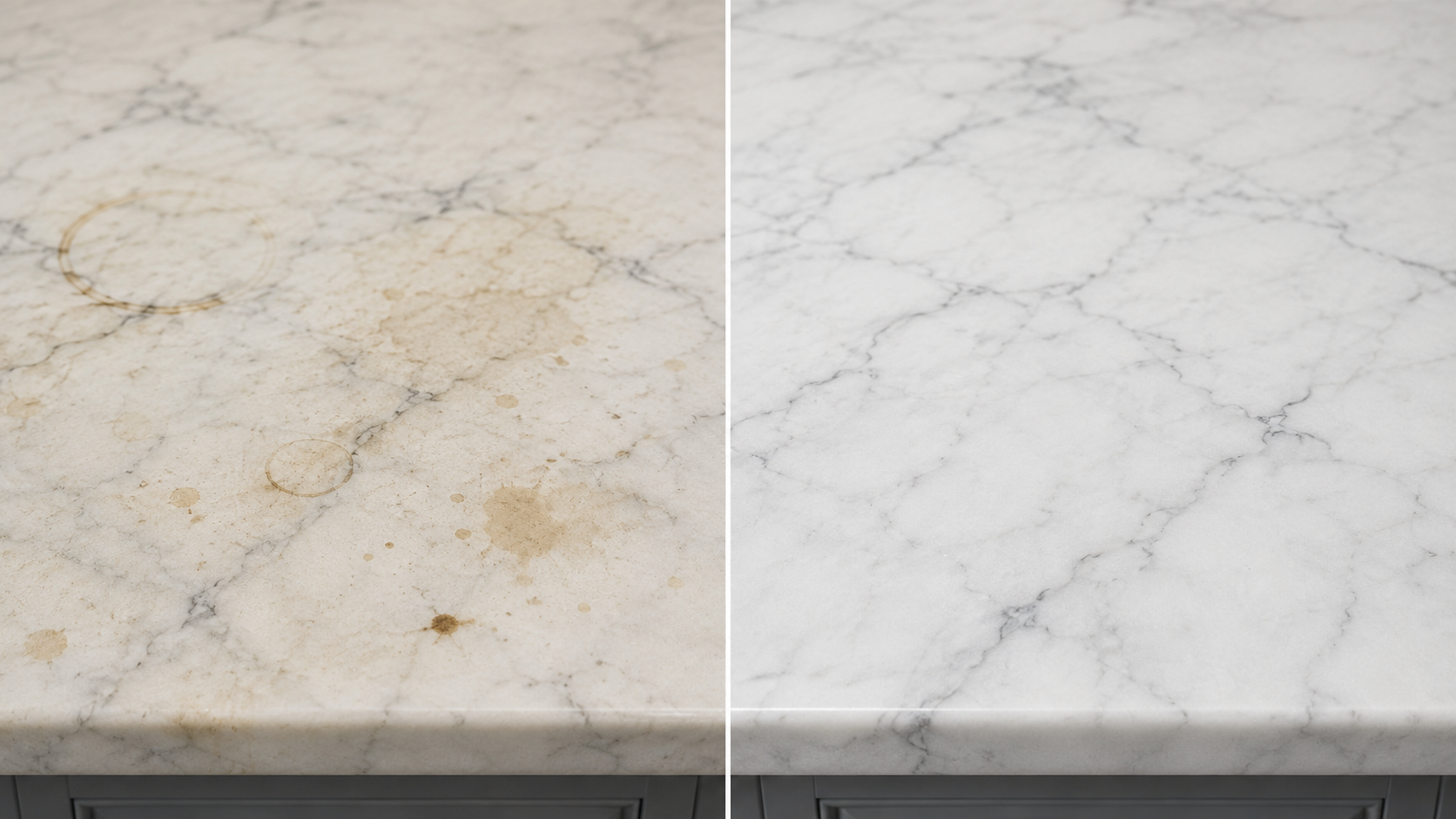 Before
After Test Treatment
Before
After Test Treatment
Results depend on the stain type, exposure time, stone porosity, finish and previous cleaning attempts.
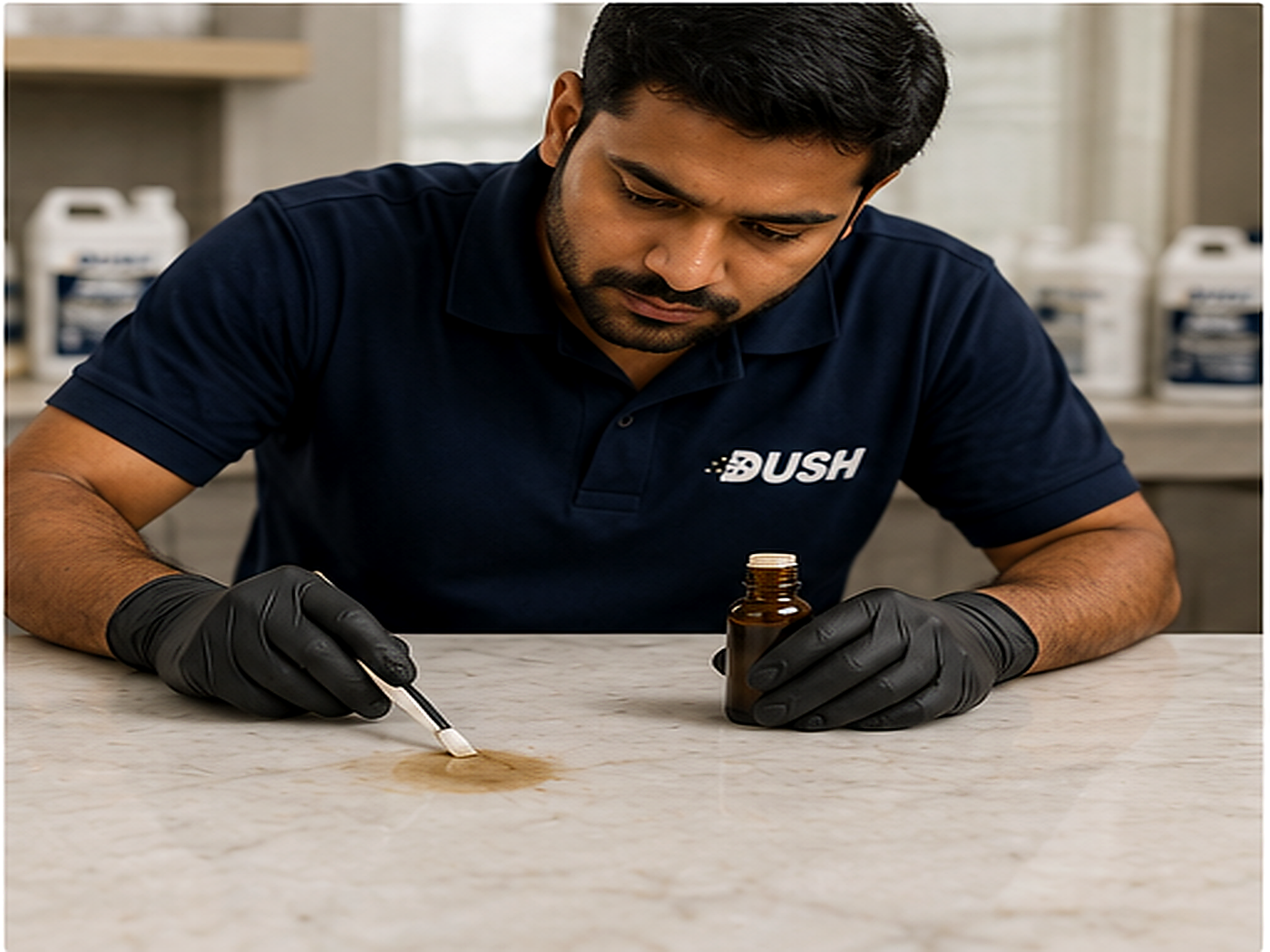
How DUSH Handles Food and Drink Stains
Send Photos
Send one close-up photograph and one wider photograph showing the stain and surrounding marble.
Assess the Mark
The technical team reviews the stain type, stone, surface finish, exposure duration and whether the mark may involve absorption or etching.
Test and Recommend
DUSH may recommend a sample test, controlled test patch, site assessment or suitable cleaning and restoration process.
The treatment is selected according to the stain and stone — not simply one product.
Speak to the Technical TeamA Visible Mark May Be a Stain, Etching or Both
Correct identification is important because stain extraction and surface restoration are different treatment processes.
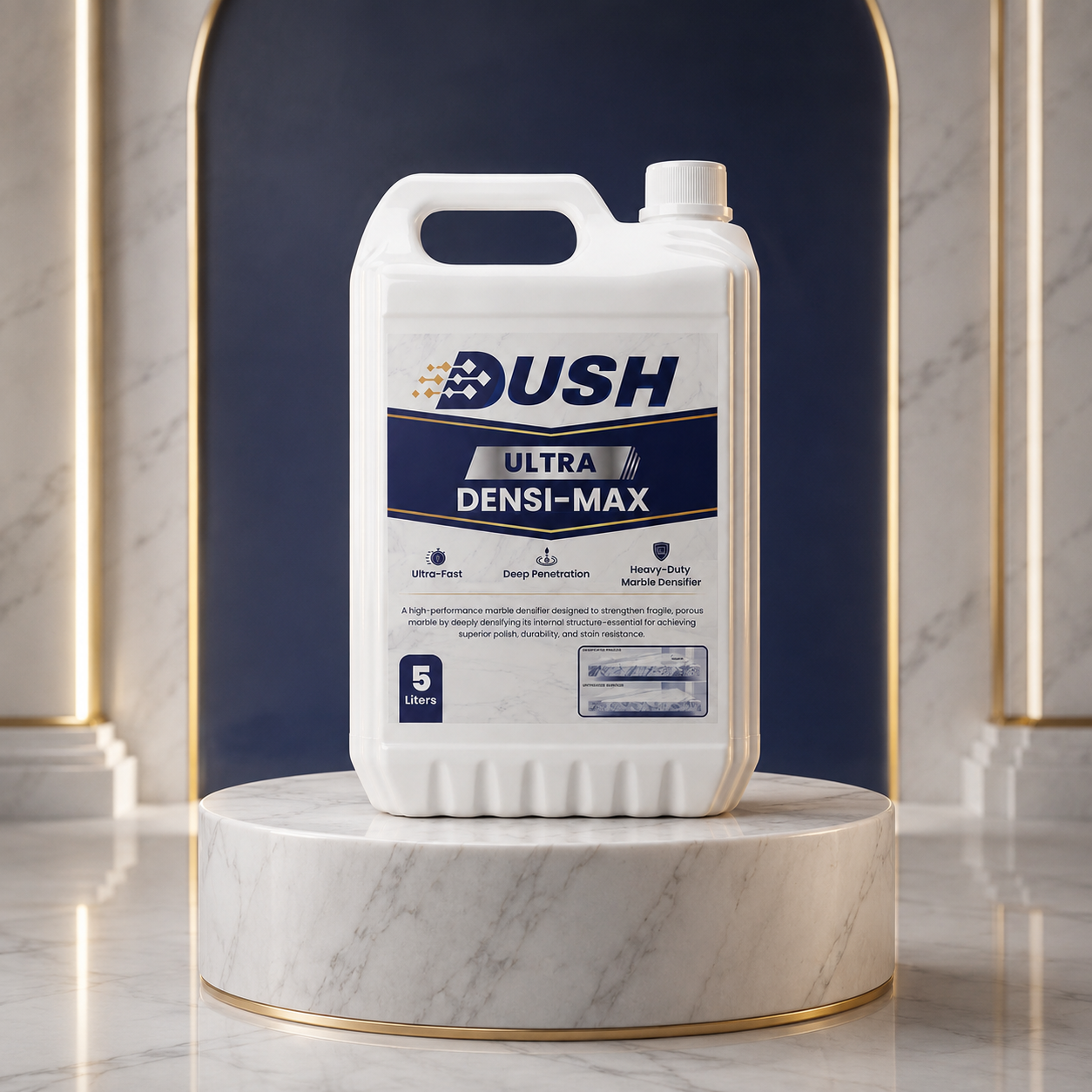
The Product Is Part of the Treatment System
Depending on the marble condition, DUSH may recommend a combination of stain treatment, polishing, restoration, densification and final protection. Densi-Max Ultra may be used where strengthening or densification is required within the wider professional process.
- Selected after assessment
- Used within a professional process
- Supported by technical guidance
Common Questions About Food and Drink Stains
Send Us Two Photos of the Stain
Start with one close-up and one wider photograph. Tell us whether the mark came from coffee, tea, wine, juice, sauce or another food.
No long enquiry form required.