Protect Your Marble from Water, Oil and Stains
Marble can take in water, oil, and food spills. This can leave dark marks or stains. A marble sealer is a liquid made to slow this down. Send us photos before you buy or use one.
Quick form • Upload photos • Get clear advice
- Advice for Your Marble
- Test a Small Spot First
- Simple Steps to Follow
Free Marble Check
Tell Us About Your Marble
Tell us if the marble is new or already installed. Share photos of stains, water marks, oil marks, or wet areas.
Upload one close-up photo and one wider photo. Clear photos help us give better advice.
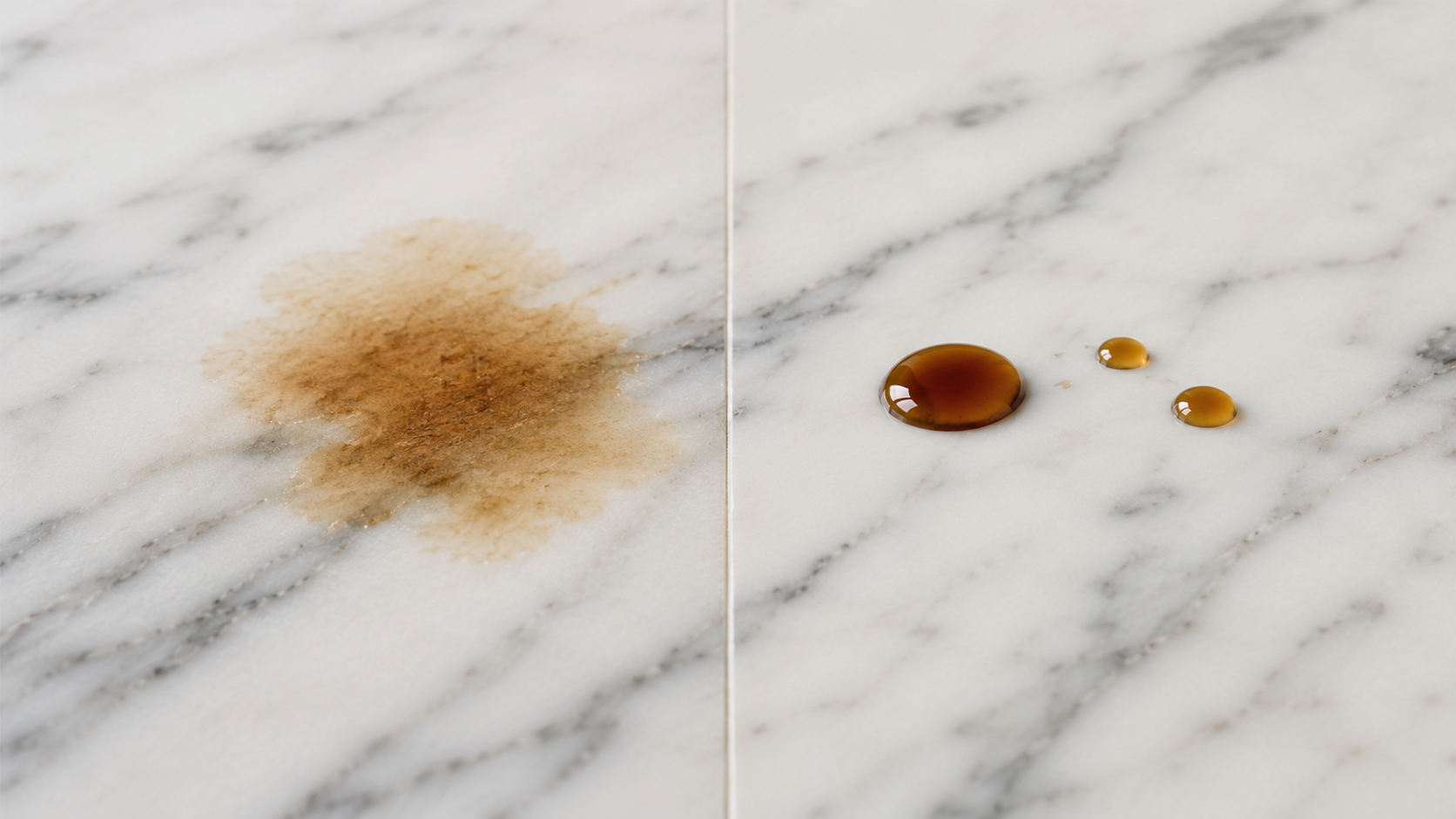
Check New Marble Before It Is Installed
- Before It Is Cut or Installed:Check the marble before it is cut, moved, or installed.
- While It Is Stored:Look for water marks, dust, oil, or other marks made while the marble was stored or moved.
- Where Water Can Reach It:Think about bathrooms, kitchens, outdoor areas, and water that may come from under or behind the marble.
- Which Sides Need Sealing:Seal only the sides that need it. You may not need to seal the whole piece.
- Check the Glue or Cement:Make sure the sealer does not affect the glue or cement used to fix the marble.
- Test a Small Spot:Test a spare piece or a hidden spot before sealing the full area.
The right sealer depends on the marble and where you plan to use it.
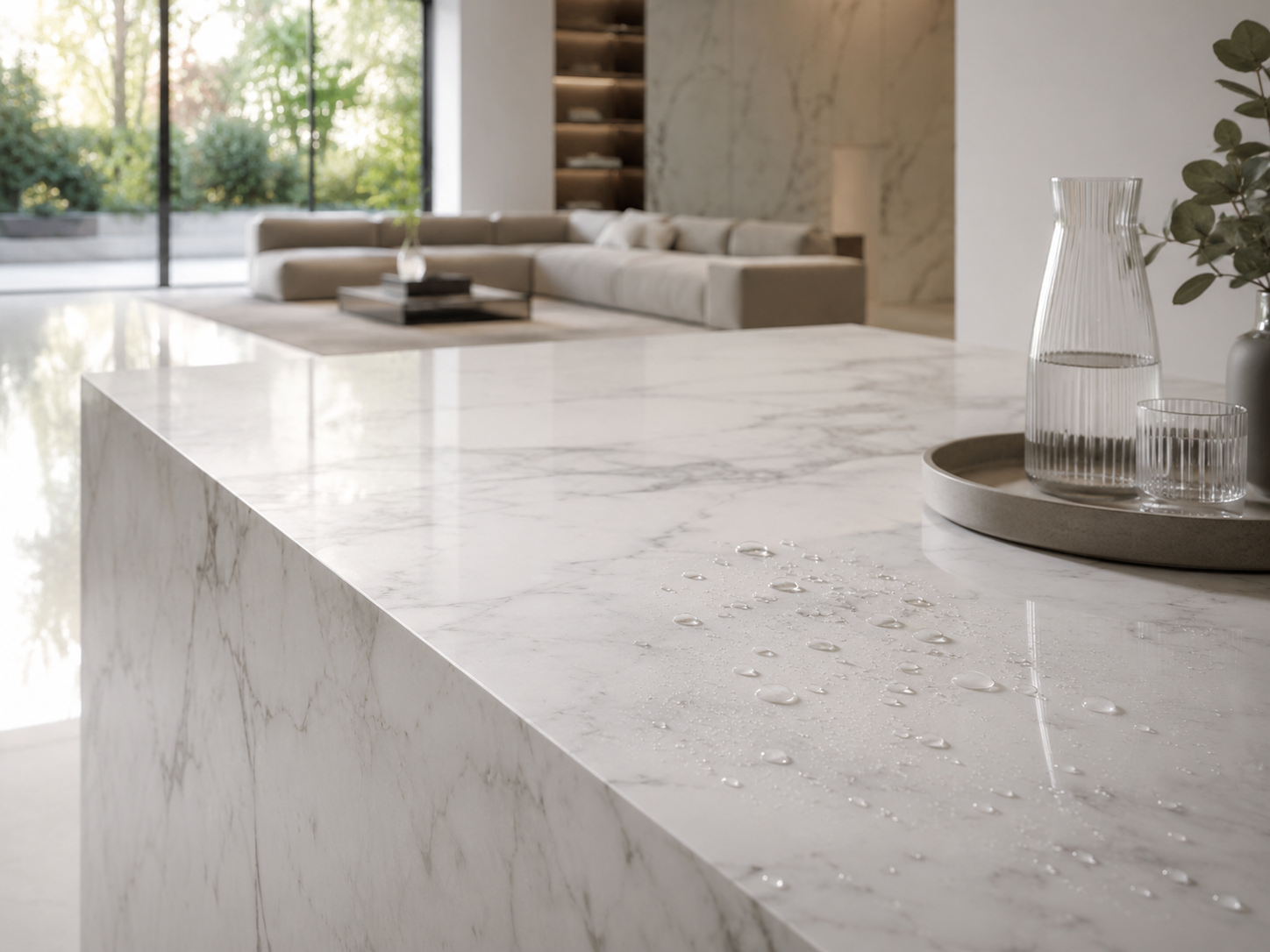
Check Marble That Is Already Installed
Before using a marble sealer, look for water marks, stains, worn areas, and old polish.
Water Marks and Dark Areas
Look for dark areas, water marks, and spots that take a long time to dry.
Oil and Food Stains
Kitchens, dining areas, and bathroom counters may need more protection from oil, food, and water.
How Quickly the Marble Turns Darker
Some marble turns darker quickly when it gets wet. Other marble takes longer.
Daily Use and Cleaning
Busy areas and strong cleaners can make the sealer wear away faster.
Old Sealer, Wax or Polish
Old sealer, wax, or floor polish may need to be removed first.
The Marble Must Be Fully Dry
The marble must be fully dry before you use a sealer.
A Marble Sealer Does Not Repair Water Leaks. It can slow water and oil from entering the marble. It cannot repair a leak or stop every stain. Always test a hidden spot first.
Test a Small Spot Before Sealing Everything
We may ask you to test a hidden spot first. This shows if the colour or shine changes.
The result depends on the marble, the sealer, and how the area is used.
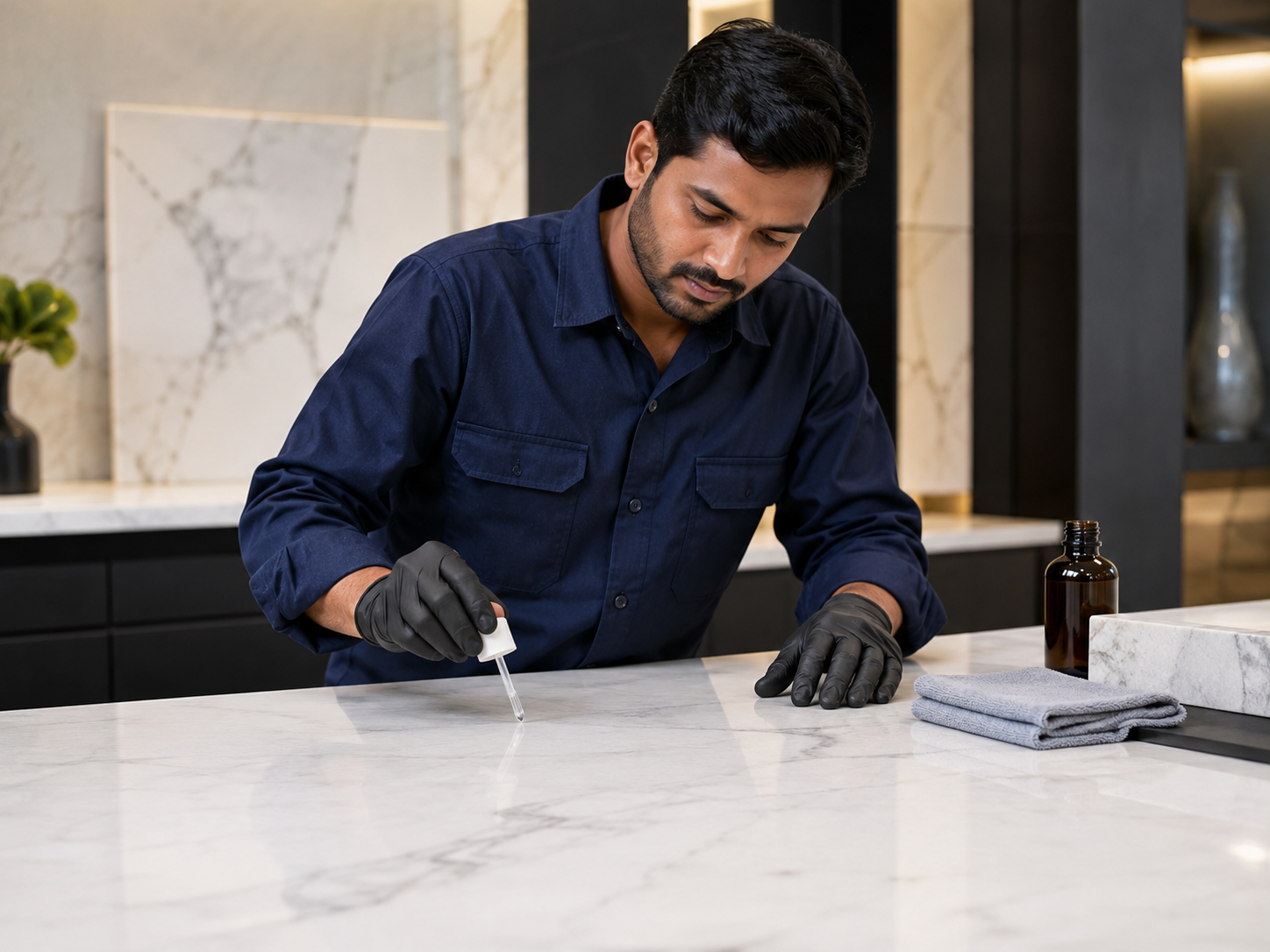
How Our Free Marble Check Works
Send Clear Photos
Send one close-up photo and one wider photo. Show the marble, the full area, and the problem.
We Check the Photos
Our team checks the marble, water marks, old polish, and where the marble is used.
We Tell You What to Do Next
We may suggest a small test, a site visit, or a sealer for your marble.
We suggest a product based on your marble and where it is used. The same product will not work for every job.
How Do You Know If Marble Needs Sealing?
The water test is only a first check. We also need to know where the marble is used and if it had water problems before.
A Good Sealer Should Keep the Marble Looking Natural
A good marble sealer should make stains less likely without changing the natural colour or shine.
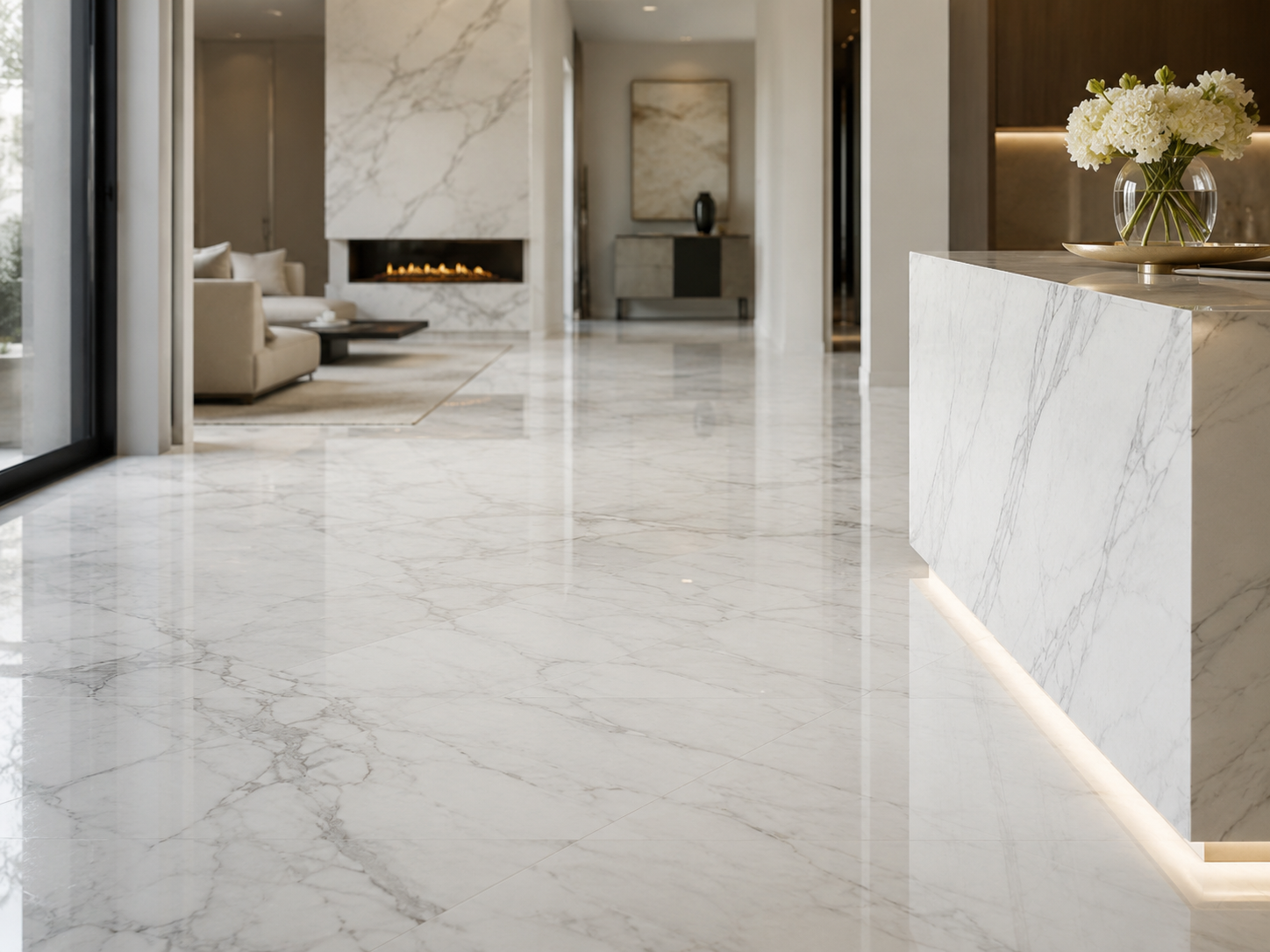
The final look depends on the marble and the sealer.
Seal New Marble Before Daily Use Leaves Marks
Sealing early can help protect new marble in kitchens, bathrooms, homes, hotels, and other busy areas.
Choosing a Marble Sealer Is Only the Start
The marble must be clean and fully dry. Test a small spot first. Follow the label carefully. We will suggest a DUSH product based on your marble and where it is used.
- Chosen for your marble and where it is used
- Easy steps to follow
- Help from our team
Simple Answers About Marble Sealing
Send Photos and Get Clear Marble Advice
Tell us where the marble is used, whether it is new or installed, and what you want to protect it from.
Quick form • Upload photos • Get clear advice