Best Marble Floor Cleaner for Italian Marble
Floors take a beating no countertop ever does. Grit tracked in on shoes grinds against the polish with every step. Water rings form near entrances during the monsoon. Kitchen and bathroom floors pick up grease and soap scum on top of everything else. A cleaner that works fine on a marble countertop can still leave an Italian marble floor looking tired within months, because floors face a combination of abrasion and chemistry that countertops simply don't.
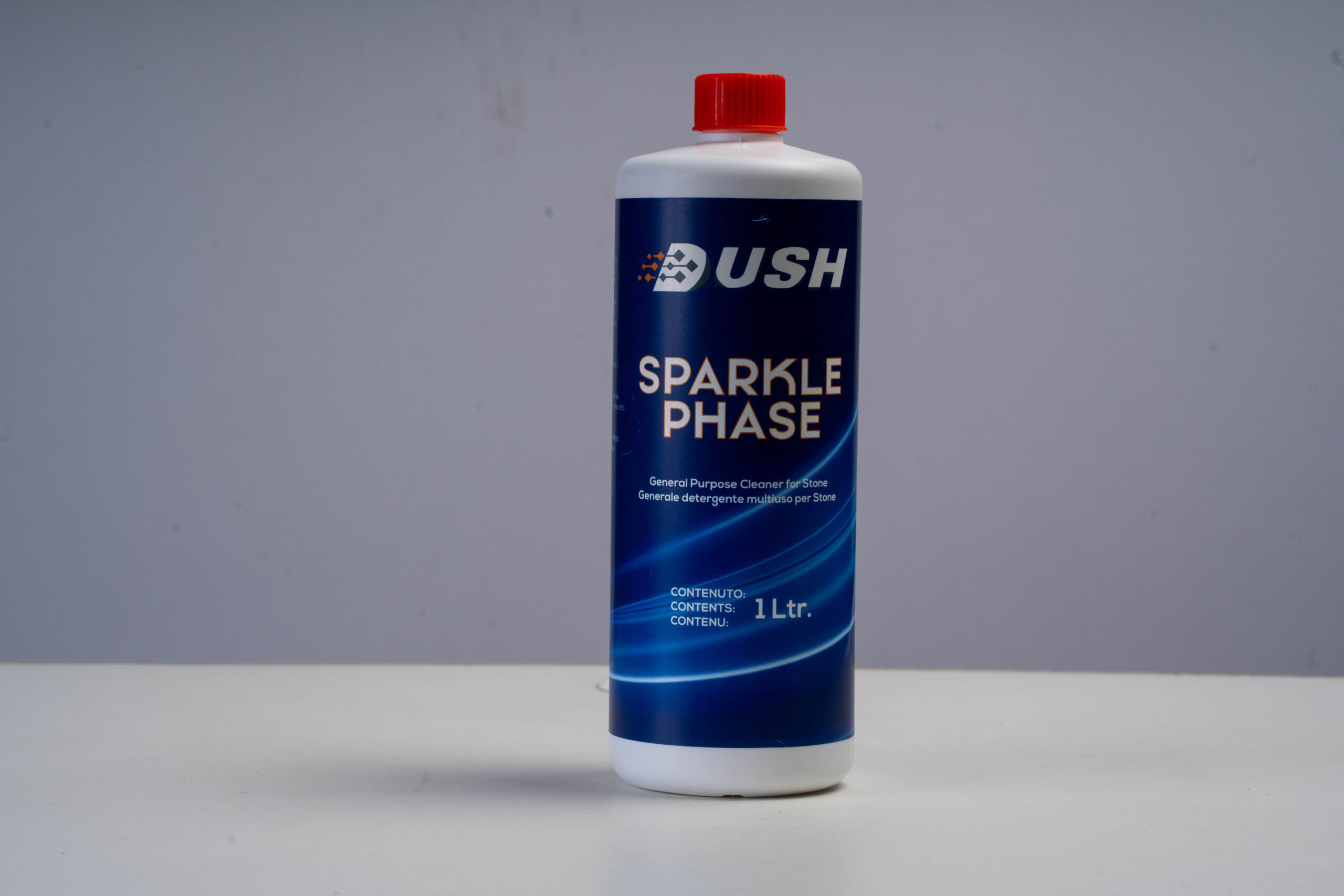
This guide is built around that specific problem — a practical routine, the tools that matter as much as the cleaner itself, and where DUSH SPARKLE PHASE, a pH-neutral daily maintenance cleaner from DUSH, fits into keeping an Italian marble floor looking freshly polished.
The Two-Part Problem Floors Face That Countertops Don't
Marble floor damage rarely comes from one cause — it's usually two working together. The first is abrasion: sand, grit, and dust tracked in on shoes act like fine sandpaper every time someone walks across the floor, dulling the polish through thousands of tiny scratches long before any single event looks like damage. The second is chemistry: the same etching risk that applies to any marble surface, except a floor gets mopped far more often than a countertop gets wiped, which means far more chances for an acidic or poorly formulated cleaner to do damage over a shorter timeframe.
Solving only one of these — using a great cleaner but never dealing with tracked-in grit, or keeping floors spotless but scrubbing with the wrong chemistry — still leaves the floor exposed to the problem you didn't address. A real floor-care routine has to handle both.
A Realistic Cleaning Routine for Italian Marble Floors
Dry dust-mop or sweep first
Always remove loose grit before any wet mopping. Wet-mopping over ungathered dust just drags abrasive particles across the surface instead of lifting them away — the single most overlooked step in floor care.
Damp mop with diluted pH-neutral cleaner
A well-wrung microfibre mop with DUSH SPARKLE PHASE diluted at 1:20 handles everyday soiling without leaving the floor overly wet or introducing chemical risk.
Slightly heavier clean in high-traffic zones
Entryways, hallways, and kitchen areas accumulate more grit and residue than the rest of the floor. A 1:10 dilution in these specific zones, still with a soft mop, addresses buildup without treating the whole floor more aggressively than it needs.
Professional deep clean and polish check
Roughly annually for light residential traffic, or quarterly for heavy commercial traffic. Daily maintenance extends this interval — it doesn't replace it entirely.
Tools That Matter as Much as the Cleaner
- A soft microfibre mop, not a cotton string mop. String mops trap and drag grit rather than lifting it cleanly, effectively turning the mop itself into an abrasive tool.
- A mop dedicated to stone floors only. Using the same mop on marble and on grittier general flooring reintroduces the abrasive particles you just tried to remove.
- Doormats at every entry point. The single biggest reduction in floor-level grit comes from trapping it at the door before it ever reaches the marble — a low-cost step that does more than almost any cleaning product change.
- A clean bucket and fresh solution. Reused, dirty mop water reintroduces the same grit and residue you're trying to remove, defeating the purpose of the clean itself.
- Felt or rubber pads under furniture legs. Dragging furniture across marble is a direct scratching risk independent of any cleaning routine.
Floor Zones That Need Different Attention
Entryways & Foyers
The single highest grit-abrasion zone in any home or building. Prioritise doormats and more frequent dry sweeping here over any change in cleaning chemistry.
Living & Dining Areas
Moderate, general foot traffic. Standard daily dust-mop plus diluted damp-mop routine is generally sufficient.
Bathroom Floors
Constant moisture and soap-scum residue on top of everyday grit. A residue-free, no-rinse-required cleaner matters more here, since any film left behind combines with moisture to dull the surface faster.
Kitchen Floors
Oil, grease, and food spills add a third stress on top of grit and moisture. Wipe spills promptly rather than letting them sit, since oils can penetrate porous marble if left too long.
Why this zone-based thinking matters: treating an entire floor identically often means either under-cleaning the entryway or over-cleaning low-traffic rooms unnecessarily. Matching cleaning frequency and dilution to how each zone actually gets used protects the floor better than a single blanket routine applied everywhere.
Where DUSH SPARKLE PHASE Fits This Routine
DUSH SPARKLE PHASE addresses the chemistry half of the floor-care problem directly — a pH-neutral formula that cleans effectively without etching, combined with a residue-free finish that doesn't leave a film for tracked-in grit to stick to between cleans. It's designed to be mopped on daily without rinsing, which keeps the routine fast enough that it actually gets followed consistently, and its high dilution ratio (1:20 to 1:50) makes daily use across a full floor genuinely affordable rather than something to ration.
Floor Care Mistakes vs. What Actually Protects the Polish
| Common Mistake | What It Causes | The Correct Approach |
|---|---|---|
| Wet-mopping over loose dust and grit | Drags abrasive particles across the polish | Dry dust-mop or sweep before every wet mop |
| Using vinegar or citrus-based cleaners | Etches the surface permanently on contact | pH-neutral cleaner only, every time |
| Same mop for stone and general flooring | Reintroduces grit onto the marble surface | Dedicated microfibre mop for stone only |
| No doormats at entry points | Maximum grit tracked directly onto marble | Doormats at every entrance, cleaned regularly |
| Reusing dirty mop water | Redeposits removed grit and residue | Fresh solution, changed regularly |
Free Marble Care Consultation
Tell Us About Your Marble Floors
Share your city, the type of marble you have, and your biggest concern — dullness, stains, or yellowing — and the DUSH team will get back to you with the right maintenance plan.
Frequently Asked Questions
How often should Italian marble floors actually be mopped?
Why does dust-mopping before wet-mopping matter so much?
Do doormats really make a measurable difference to floor wear?
Is it safe to use a floor-scrubbing machine on Italian marble?
Should bathroom marble floors be cleaned differently from living-area floors?
Can wet marble floors become a slip hazard during cleaning?
Give Italian Marble Floors the Routine They Actually Need
pH-neutral, residue-free, and built for daily use — DUSH SPARKLE PHASE handles the chemistry half of floor care, so the polish you paid for stays intact.
Product information referenced from the official DUSH SPARKLE PHASE product page. General floor-care guidance is provided as practical background for a general audience. Always patch-test on a small, inconspicuous area before full application, and consult the manufacturer's technical datasheet for complete specification detail.