DUSH Marble Adhesive Guide · India 2026
White vs Grey Cement Adhesive for Marble: Which One Should You Choose?
White adhesive is often preferred behind white, cream and translucent marble because it gives the stone a more neutral background. Grey adhesive can make sense behind dark, opaque stone or tiles where colour influence is not a concern. But colour alone never decides the specification. The correct DUSH product also depends on slab size, interior or exterior location, wall or floor orientation, substrate, backing and moisture sensitivity.
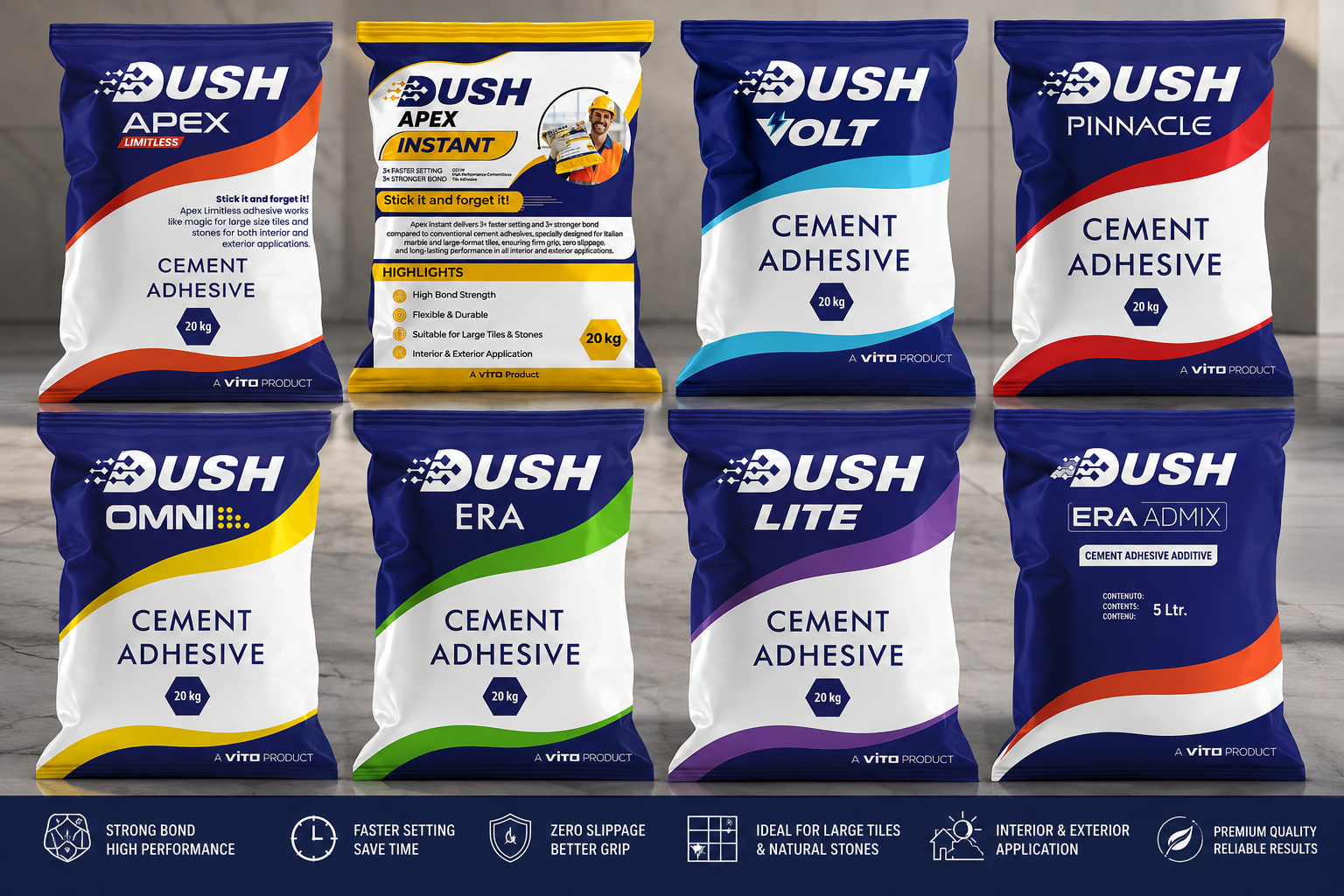
Use white cement adhesive as the safer visual starting point for white, cream, light-coloured or translucent marble. White mortar reduces the chance that a dark bedding layer will influence the appearance of thin edges, joints or translucent areas. DUSH APEX explicitly describes its premium white cement base as helping prevent grey influence at marble edges, while DUSH's current APEX guidance says white adhesive is used with light-coloured marble and grey adhesive is more appropriate for dark tiles or non-transparent applications. [1] [8]
Grey adhesive can be a practical choice when the stone or tile is dark and opaque and the application falls within the product's technical limits. However, the colour does not override performance requirements. A grey large-format adhesive can be more appropriate for a dark heavy slab than a white general-purpose mortar; similarly, a white interior adhesive is not automatically suitable for exterior marble. BIS IS 15477 focuses on adhesive type and performance characteristics such as adhesion, open time, slip and deformability—not simply whether the powder is white or grey. [9] [10]
The key is to treat colour as a visual-compatibility decision inside a larger technical-selection process. LATICRETE technical guidance explicitly recommends white mortars for white or light-coloured stone and separately warns that moisture-sensitive or resin-backed marble can require epoxy systems. That is a useful industry example of why “white vs grey” is only the first filter. [13] [14]
30-Second Decision Table
When Should You Choose White or Grey Adhesive?
| Stone / Application | Colour to Start With | Why | DUSH Product Direction |
|---|---|---|---|
| White / cream Italian marble | White | Neutral background reduces grey shadowing/edge influence | OMNI/LITE for suitable interior; ERA white option for large format; APEX for suitable exterior |
| Thin or translucent marble | White — but test first | Dark bedding can show through, but sensitivity/backing may require specialist chemistry | Use the correct white DUSH system only after stone compatibility check |
| Dark opaque marble / dark tile | Grey may be acceptable | Colour influence is less likely to be visible | Choose by technical application; ERA offers grey/white for large format; verify PINNACLE TDS where specified |
| Exterior light marble | White exterior-rated | Needs both visual neutrality and exterior performance | APEX; APEX INSTANT for rapid exterior vertical cladding; VOLT for high-rise façade |
| Large-format white marble | White large-format system | Needs neutral colour plus large/heavy-slab support | ERA white option, subject to exact slab/TDS |
| Resin-backed / moisture-sensitive marble | Colour is not the main question | Compatibility may require epoxy/reaction-resin or moisture-safe chemistry | Ask DUSH technical team; do not select solely by white/grey powder colour |
Why Colour Matters
Why Can Grey Adhesive Affect White or Translucent Marble?
Natural stone is not always fully opaque. Thin, pale or translucent marble can visually pick up the colour of the setting bed below it, especially at edges, joints and areas where the stone is naturally more translucent. The effect can appear as darker margins, shadowing or an uneven tone that was not visible before installation.
DUSH APEX currently describes its premium white cement base as helping keep joints bright and reduce grey influence that can darken marble edges. A separate DUSH APEX article explains that white, cream and translucent marble can be influenced by the material behind it and that a white adhesive provides a more neutral background. [1] [8]
LATICRETE's technical guidance similarly tells installers to use white mortar for white or light-coloured stone. Its glass-tile adhesive guidance also notes that an ultra-white mortar can enhance the appearance of translucent tile or stone. These are useful external examples of the same optical principle. [13] [15]
White adhesive is especially worth considering for:
- White Italian marble.
- Cream marble.
- Thin marble tiles.
- Translucent natural stone.
- Premium decorative marble where colour uniformity is important.
- White or very light grout/joint design where grey edge shadowing would be obvious.
When Grey Can Make Sense
When Is Grey Cement Adhesive Acceptable for Marble or Tile?
Grey mortar is not automatically “bad.” It can be practical and economical where the finish is dark, opaque and not visually influenced by the substrate or bedding colour. Dark marble, dark vitrified tiles and non-translucent applications can often use grey adhesive if the technical product is suitable for the size, substrate, orientation and exposure.
DUSH's current APEX FAQ states this directly: white cement adhesive is used with light-coloured, white and cream marble to reduce grey bleed-through at joints and edges, while grey cement adhesive is suitable for dark tiles and non-transparent applications. [1]
Large-format applications show why colour cannot be the only criterion. DUSH ERA is currently published in grey/white and is positioned for large-format marble and tiles, with anti-lippage and full-support messaging. For a dark, opaque large slab, the grey ERA option may be perfectly logical if the current TDS and stone supplier approve it. For a white translucent slab, the white option would normally be the safer visual starting point. [6]
Grey adhesive can be considered when:
- The stone/tile is dark and opaque.
- The setting bed colour cannot telegraph through the finish.
- The joint/edge design will not expose grey shadowing.
- The selected grey product matches the required tile/slab size.
- The product is approved for the interior/exterior location.
- The substrate and backing are compatible.
DUSH Product Mapping
Which DUSH Adhesives Are White, Grey or Available in Both?
The current DUSH range makes the colour/application relationship easier to see. The table below uses current DUSH public product pages where available and keeps PINNACLE cautious because its public URL is not consistently retrievable.
| DUSH Product | Published Colour | Main Current Positioning | Why Colour Matters Here |
|---|---|---|---|
| APEX | White | Exterior marble & natural stone | Exterior-rated performance plus neutral background for light marble |
| APEX INSTANT | White | Rapid-grip exterior vertical marble cladding | White base for marble plus fast initial grab on vertical work |
| VOLT | White | High-rise marble cladding / façade | White base supports light stone appearance while façade engineering addresses height/wind |
| PINNACLE | Verify latest TDS | Use only as currently specified by DUSH technical team | Do not rely on outdated online summaries for current colour/application data |
| OMNI | White | Multi-purpose marble, ceramic & vitrified wall/floor use | White base makes it a sensible interior starting point for light stone |
| ERA | Grey / White | Large-format marble & tile | Choose colour from the stone appearance while keeping the large-format performance |
| LITE | White | Multi-purpose wall/floor marble, ceramic & vitrified use | White base suits visually sensitive interior marble where the TDS matches |
DUSH APEX publishes white colour and exterior marble/stone use; APEX INSTANT publishes white colour and exterior marble-cladding use; OMNI and LITE both publish white multi-purpose wall/floor positioning; ERA publishes grey/white colour and large-format use. [1] [2] [5] [6] [7]
All 7 DUSH Products
How Does White vs Grey Affect the Complete DUSH Adhesive Range?
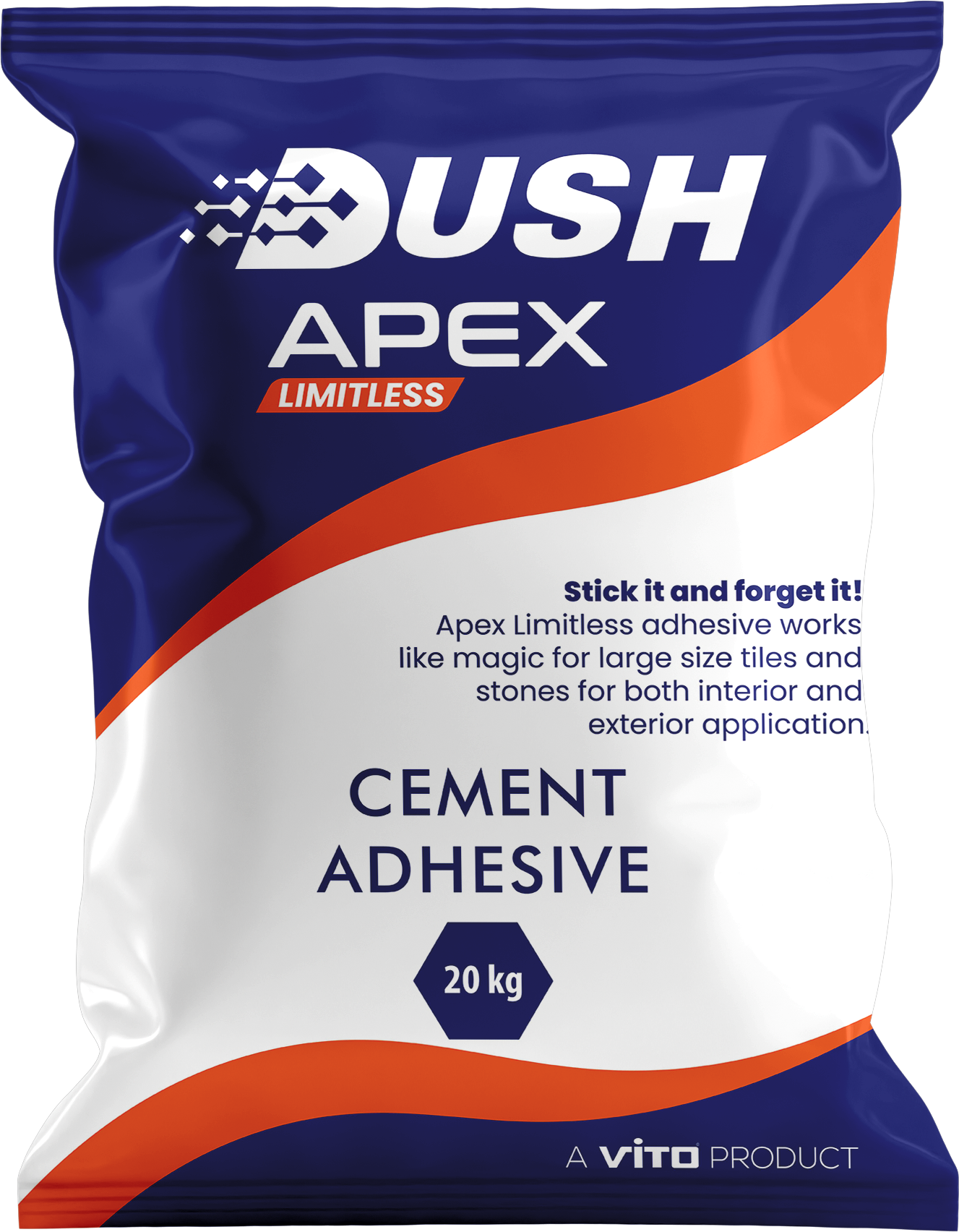
White · Exterior
DUSH APEX
DUSH APEX is currently positioned as a white cement adhesive for exterior marble and natural stone. Its page publishes white colour, 4 sq.m/kg coverage and exterior use. For light exterior marble, APEX addresses both the need for an exterior-rated system and the preference for a neutral white bed. [1]
WhiteExteriorMarble & StoneView DUSH APEX →
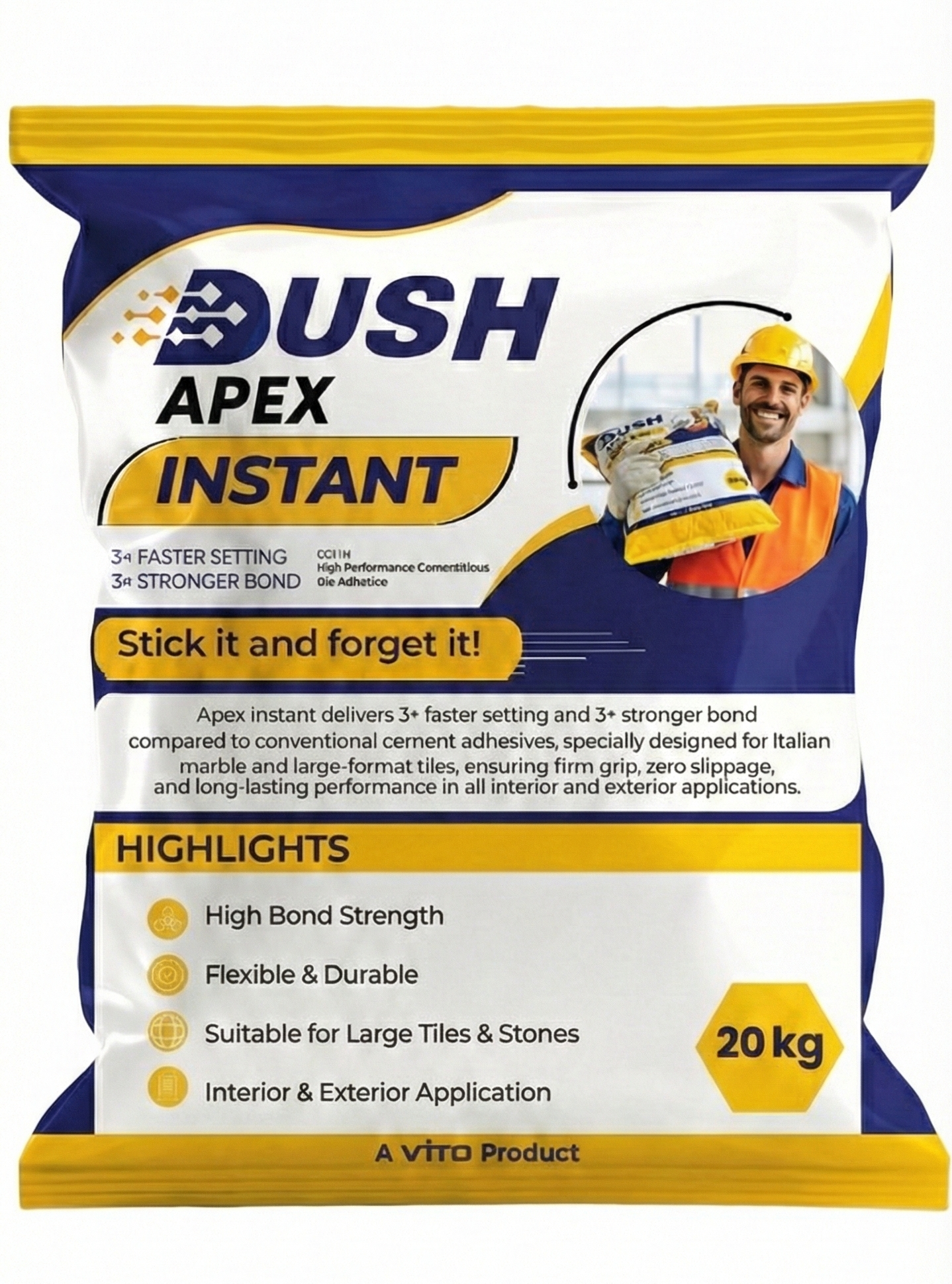
White · Rapid Vertical Exterior
DUSH APEX INSTANT
APEX INSTANT is currently published as a white rapid-grip exterior marble-cladding adhesive with a 15–20 minute initial-set reference. It is relevant when the visual benefits of a white bed must be combined with faster vertical initial grab. [2]
White15–20 Min Initial SetExterior CladdingView DUSH APEX INSTANT →
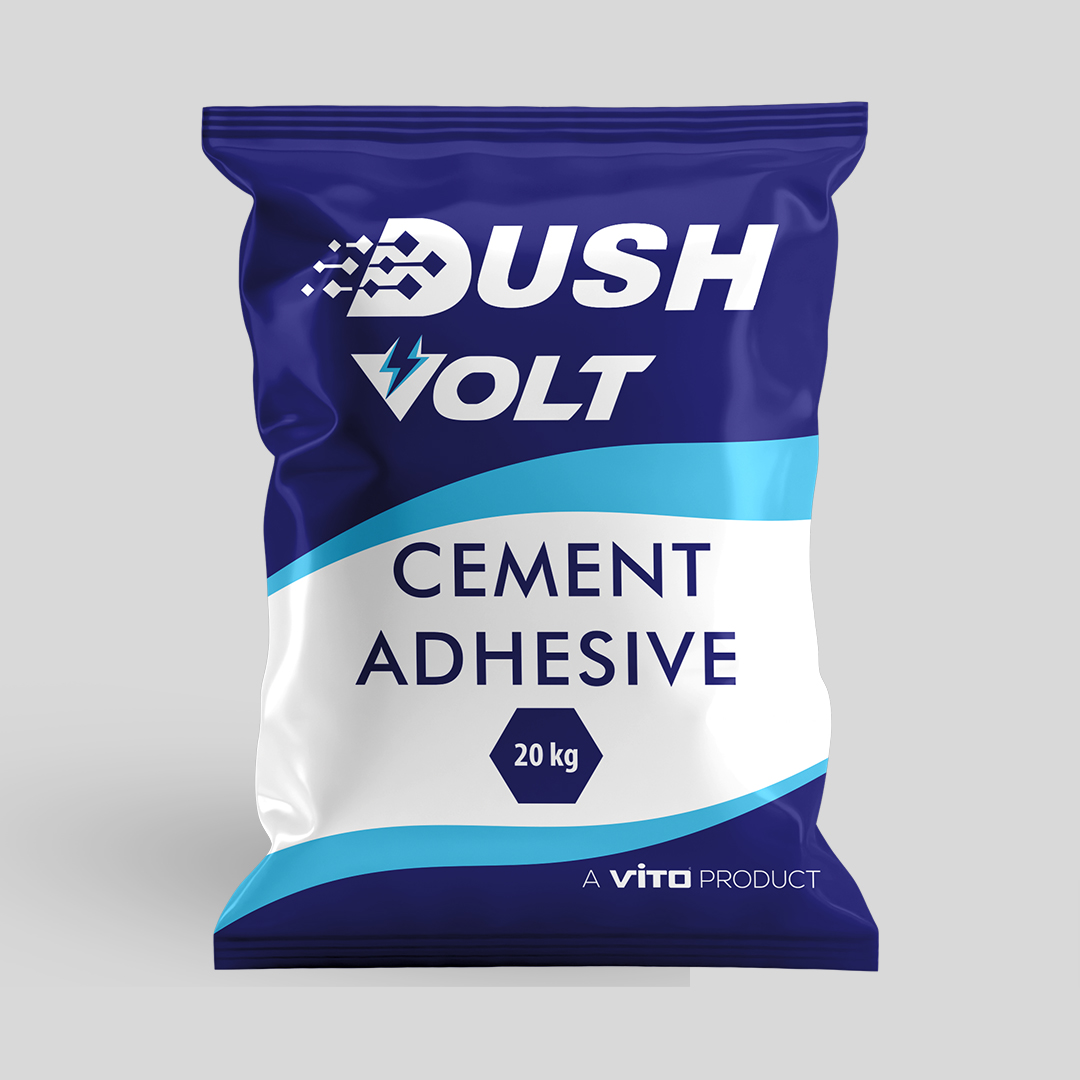
White · High-Rise
DUSH VOLT
DUSH VOLT is positioned for high-rise marble and stone façade cladding. In this context, white colour supports visually sensitive marble, but the more important additional decision is the engineered façade system, including anchors, wind/load considerations and project-specific approval. [3]
WhiteHigh-RiseFaçadeView DUSH VOLT →
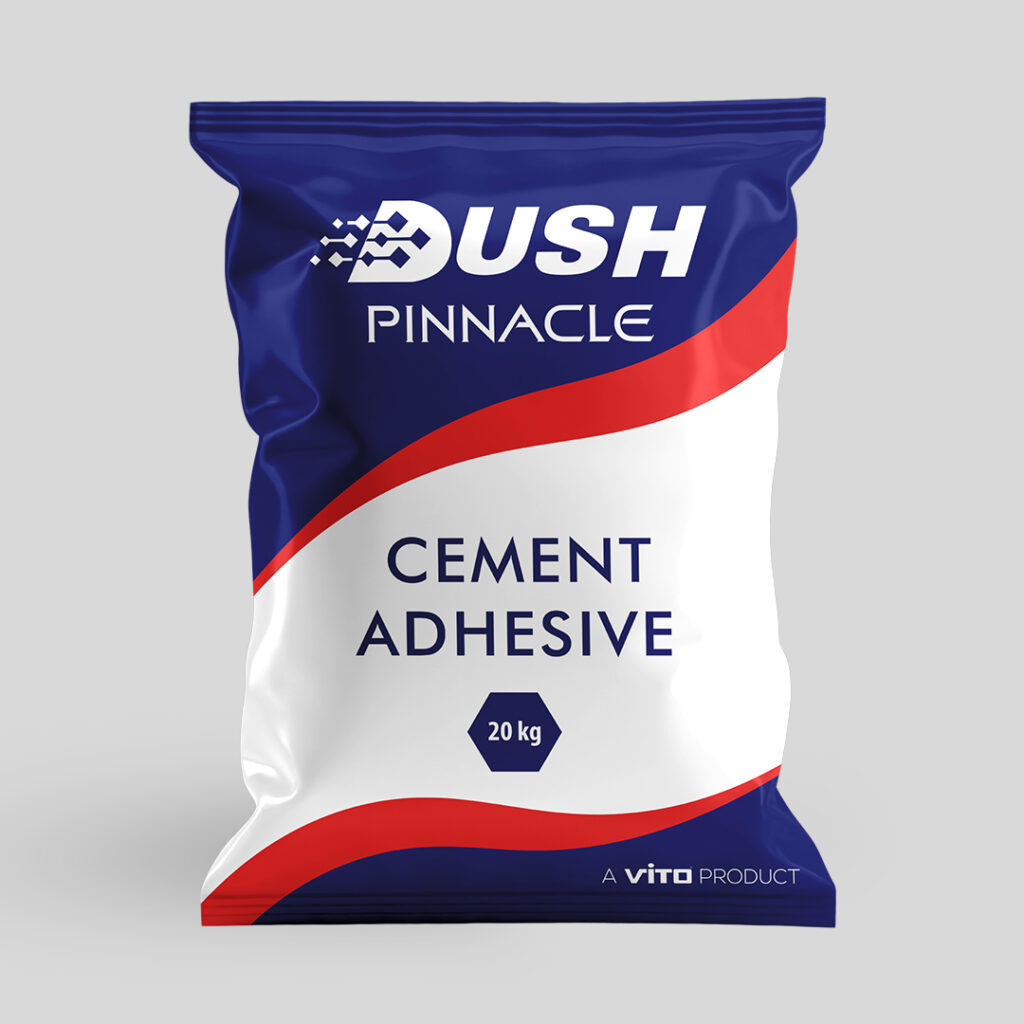
Verify Current TDS
DUSH PINNACLE
PINNACLE is part of the requested DUSH adhesive range, but its public product URL is not consistently retrievable at present. For this reason, this article does not make a current white/grey specification claim from an unavailable page. Confirm the latest PINNACLE TDS and intended application directly with DUSH.
DUSH RangeTDS CheckView DUSH PINNACLE →
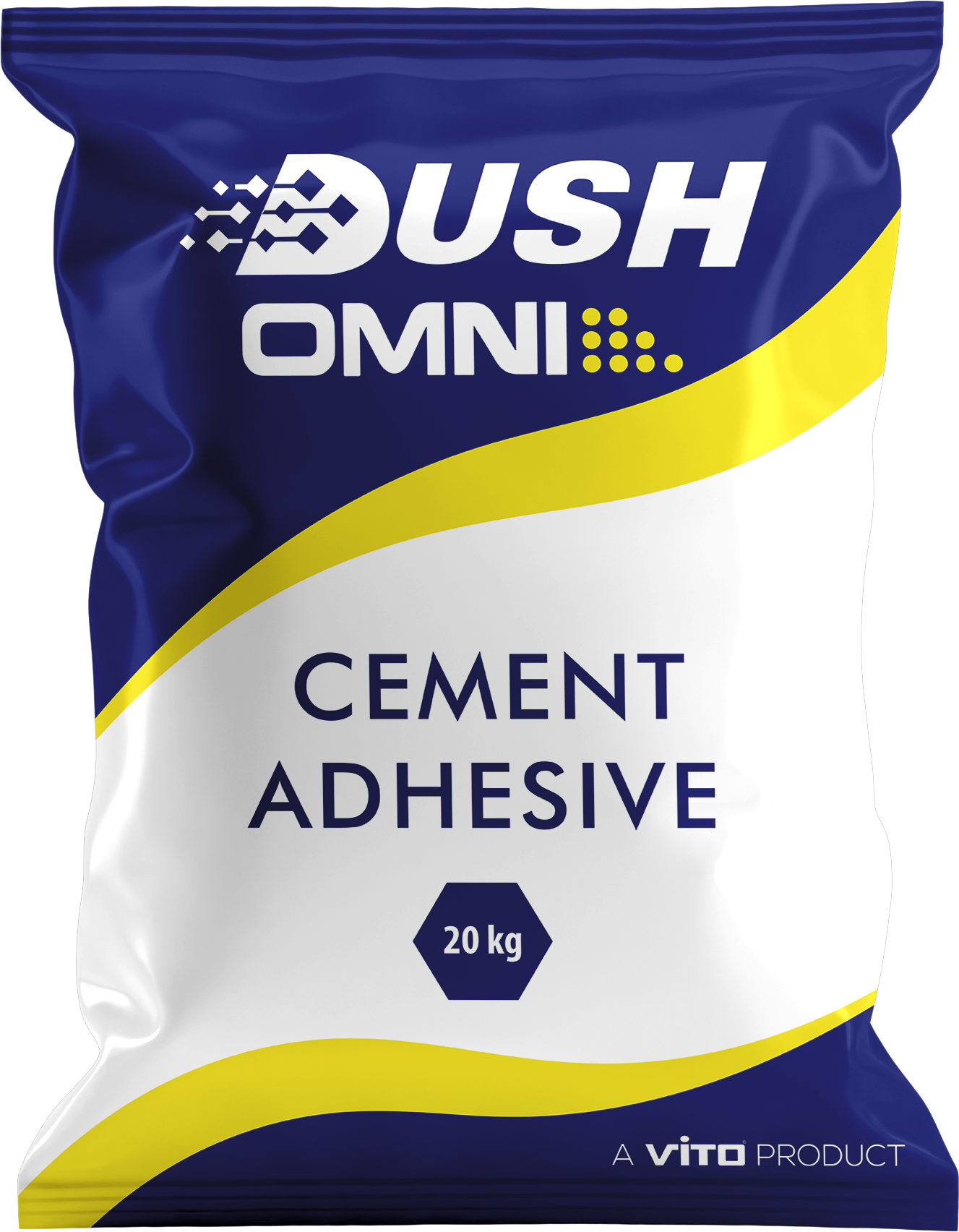
White · Multi-Purpose
DUSH OMNI
OMNI's current page publishes white colour and multi-purpose marble, ceramic and vitrified wall/floor use. For suitable interior white or cream marble, the white bed is visually preferable to a grey general-purpose mortar, subject to the exact TDS and stone compatibility. [5]
WhiteWalls & FloorsMulti-PurposeView DUSH OMNI →
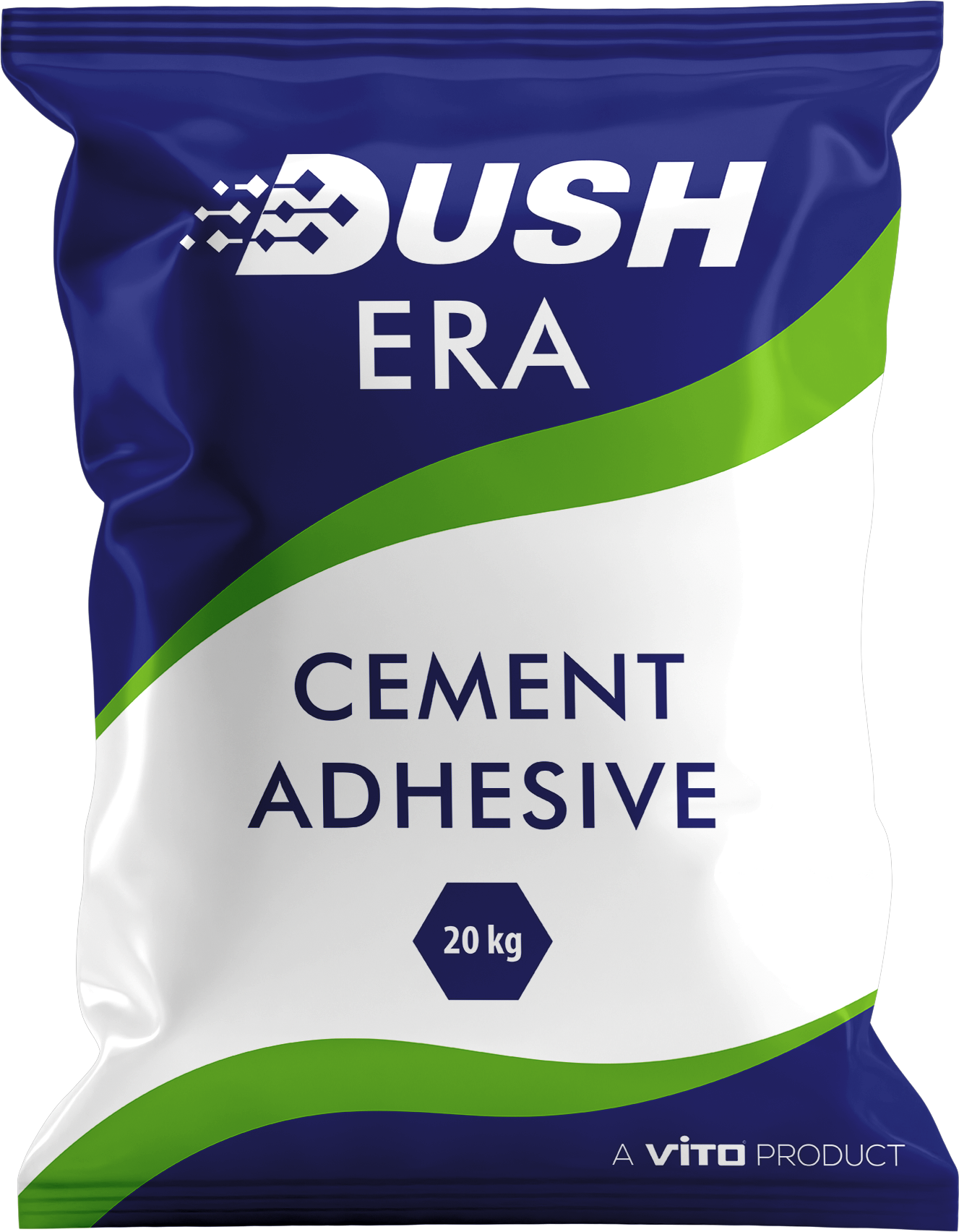
Grey / White · Large Format
DUSH ERA
ERA is currently the most useful DUSH example of why colour and performance must be considered together. It is published in grey/white and positioned for large-format marble and tiles. The slab format drives the need for ERA; the stone colour then helps determine which colour option is preferable. [6]
Grey / WhiteLarge FormatHeavy SlabsView DUSH ERA →
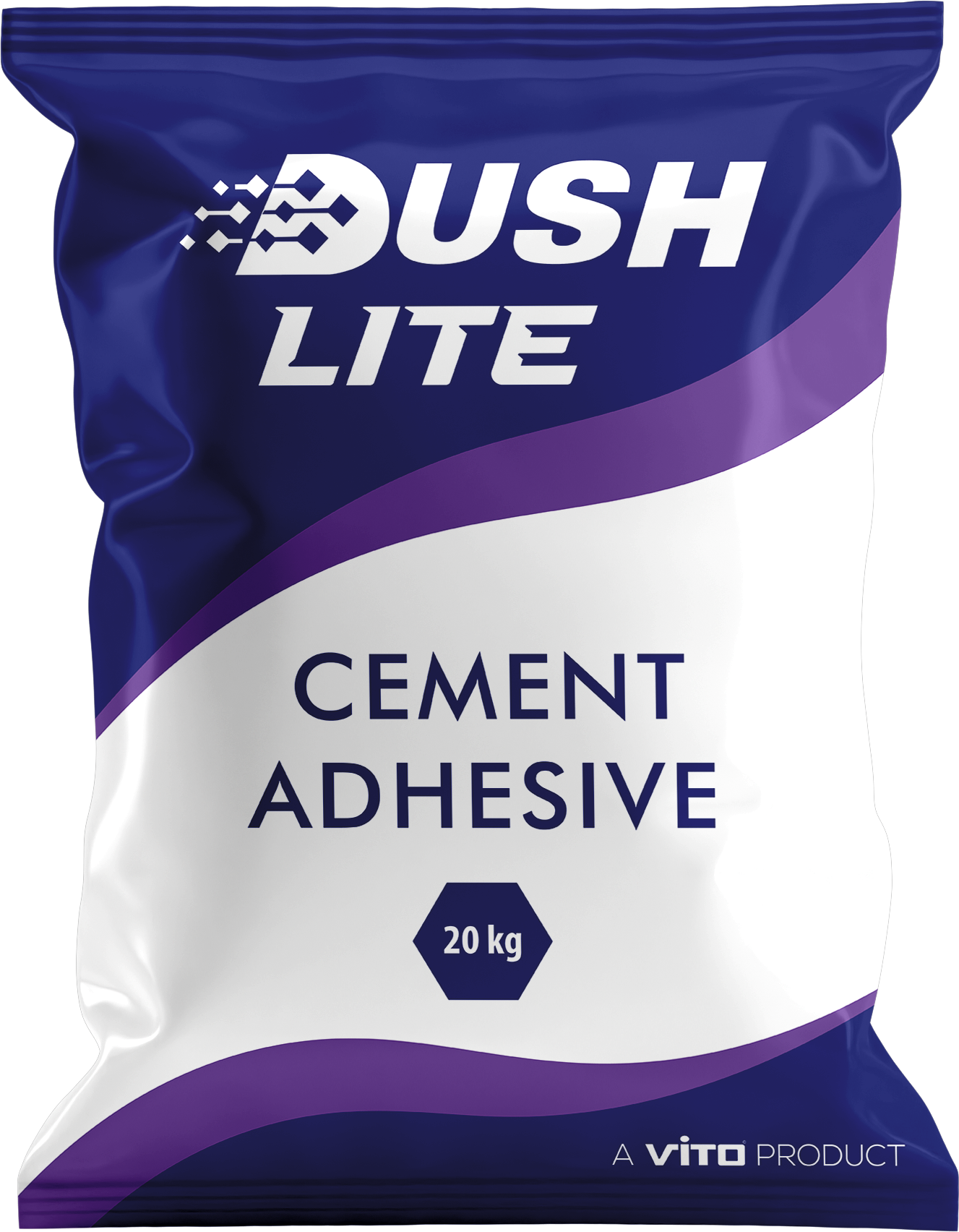
White · Multi-Purpose
DUSH LITE
DUSH LITE's current page publishes white colour and multi-purpose marble/ceramic/vitrified wall-and-floor use. Its public positioning overlaps OMNI, so choose between LITE and OMNI from the latest DUSH technical datasheets rather than creating an unsupported difference from the product colour alone. [7]
WhiteWalls & FloorsMulti-PurposeView DUSH LITE →
Italian Marble
Should Italian Marble Use White or Grey Adhesive?
For most white, cream and visually sensitive Italian-marble installations, white adhesive is the safer starting point. That is especially true for polished white marble, thin slabs and stones with translucent areas. The purpose is not to claim that white adhesive prevents every stain; it is to avoid adding an unnecessary dark background beneath an expensive pale stone.
DUSH's current APEX guidance makes the visual distinction clearly: white adhesive is used with light-coloured, white and cream marble, while grey adhesive is better suited to dark or non-transparent applications. [1]
However, imported marble often raises a second question: is the stone moisture sensitive or resin backed? LATICRETE's current technical guidance warns that moisture-sensitive marble and resin-backed stone may require LATAPOXY epoxy adhesive, while its installation notes separately recommend white mortars for white/light stone. That distinction matters because the correct answer may be “white epoxy/reaction-resin system” rather than simply “white cement adhesive.” [13] [14]
Italian Marble Rule
First choose the correct adhesive chemistry and application class. Then choose the safest colour for the stone. For a stable light marble in a suitable interior application, a white DUSH system may be appropriate. For large slabs, review ERA in white. For exterior light marble, review APEX. For sensitive or resin-backed stone, ask DUSH technical support before using any ordinary water-mixed cement adhesive.
Large-Format Marble
Does Large Marble Need a Different White or Grey Adhesive?
Yes. Once the slab becomes large or heavy, colour remains important, but support, sag resistance, lippage control and permitted bed thickness become equally important. A white general-purpose adhesive may look right behind a white slab and still be the wrong product if it cannot properly support the slab size and weight.
DUSH ERA is specifically positioned for large-format marble and tiles and is published in both grey and white. This makes the selection logical: choose ERA because of the format requirement, then select the appropriate colour for the stone where the current TDS allows it. [6]
External large-and-heavy-tile guidance follows the same logic. MAPEI's Large Tile & Stone Mortar and SikaTile 450 LHT are designed around large/heavy tile and natural stone, including non-slump support and thicker bond beds than ordinary thin-set products. [18] [19]
For a large white marble slab:
- Start with a large-format system such as DUSH ERA.
- Prefer the white option where the stone is visually sensitive and the TDS permits it.
- Check substrate flatness before installation.
- Use the correct trowel notch.
- Back-butter the slab.
- Verify contact coverage by lifting sample slabs.
- Do not use isolated adhesive dots as the main support method.
Coverage matters because natural stone needs high, distributed support. LATICRETE technical guidance commonly cites at least 95% contact in wet or exterior conditions, while MAPEI's installation basics also emphasise very high coverage and back-buttering for natural stone. [20] [21]
Exterior Marble
Can You Use a White Interior Adhesive Outdoors Just Because the Marble Is White?
No. Exterior exposure changes the technical requirement. Rain, thermal cycling, UV exposure, substrate movement and water management make exterior work more demanding than interior flooring. A white interior mortar does not become exterior-rated simply because its colour suits the marble.
DUSH APEX is the current range product specifically positioned for exterior marble and natural stone. Its page publishes a white cement base, exterior use and 4 sq.m/kg coverage. [1]
For exterior vertical work that needs faster initial grab, DUSH APEX INSTANT is published as white and rapid-set, with a 15–20 minute initial-set reference. For high-rise façades, DUSH VOLT is the specialised high-rise product and must remain part of a complete engineered façade design. [2] [3]
LATICRETE's exterior-installation guidance stresses that water management and movement joints are part of the total system. Adhesive colour does not replace drainage, waterproofing or movement accommodation. [22] [23]
Sensitive Stone
What If White Marble Is Moisture-Sensitive or Resin-Backed?
This is where a simple white-versus-grey discussion can become misleading. Some natural stones can warp, darken or stain when exposed to moisture from conventional cement-based setting materials. Some imported stones are reinforced with resin and fiberglass mesh on the back, which changes what the adhesive must bond to.
Natural Stone Institute guidance notes that resin-impregnated fiberglass backing can require an epoxy-based adhesive compatible with the resin rather than a normal Portland-cement thin-set. LATICRETE's technical guidance similarly directs installers to epoxy products for moisture-sensitive marble and resin-backed stone. [12] [14]
Sika also publishes polyurethane adhesive specifically for natural stone and marble sensitive to dampness. These examples do not certify a DUSH product; they demonstrate the broader industry principle that stone sensitivity can override the white-vs-grey decision. [16]
Before using any cement adhesive on premium marble, ask:
- Is the marble moisture sensitive?
- Does the slab have resin or fiberglass mesh on the back?
- Is the stone thin or translucent?
- Has the supplier recommended epoxy or reaction-resin installation?
- Is the stone going into a wet area?
- Is a sample/mock-up required before the full project?
Installation Method
How Should White or Grey Cement Adhesive Be Applied Under Marble?
Once the correct product and colour are selected, installation quality determines whether the theoretical performance becomes a reliable finished floor or wall.
1. Prepare the substrate
The substrate should be sound, clean and appropriately flat. Remove dust, oil, weak plaster, curing compounds and loose material. DUSH's current adhesive pages repeatedly instruct installers to use structurally sound substrates and avoid standing water or visibly wet surfaces. [1] [2] [5] [6]
2. Mix exactly as the selected TDS requires
Do not add extra cement, sand or improvised additives. Water ratio affects consistency, open time, sag and final bond performance.
3. Key and comb the adhesive
Use the flat side of the trowel to key material into the substrate, then comb consistent ridges with the notched side. MAPEI's published installation guidance recommends directional troweling and checking transfer. [21]
4. Back-butter marble where required
Natural Stone Institute and DUSH guidance support back-buttering to improve contact, especially with large stone. [11] [1] [6]
5. Verify coverage
Lift a freshly installed slab periodically. The goal is distributed support with collapsed ridges, not a few thick points of mortar. Exterior, wet and natural-stone applications generally demand particularly high coverage. [20] [21]
6. Respect open time and skinning
Once the adhesive surface has skinned, the marble may not transfer properly. Do not simply wet the surface and continue; remove material that has exceeded its workable condition and reapply according to the TDS.
7. Maintain movement joints
Movement joints accommodate thermal, moisture and structural movement. Strong adhesive cannot replace movement detailing. [23] [24]
Common Errors
10 White vs Grey Adhesive Mistakes to Avoid
AEO / People Also Ask
White vs Grey Cement Adhesive for Marble — FAQs
1. Is white cement adhesive better for marble?
For white, cream, light-coloured or translucent marble, white adhesive is usually the safer visual starting point because it provides a neutral setting bed. Technical suitability still depends on the product's application class, slab size, backing and exposure.
2. Can grey adhesive be used for marble?
Yes, where the marble or tile is dark and opaque and the grey product is technically suitable for the application. Avoid choosing grey behind visually sensitive white/translucent marble without testing.
3. Which DUSH adhesive is white?
Current DUSH pages publish APEX, APEX INSTANT, VOLT, OMNI and LITE as white. ERA is published in grey/white. PINNACLE should be confirmed from the latest DUSH TDS because its public page is not consistently retrievable.
4. Which DUSH adhesive should I use for white Italian marble?
For suitable interior standard-format marble, review a white system such as OMNI or LITE. For large-format slabs, review ERA in the appropriate white option. For exterior marble, review APEX. Always check sensitivity/backing first.
5. Is DUSH APEX white or grey?
DUSH APEX is currently published as a white cement adhesive for exterior marble and natural stone.
6. Is DUSH ERA available in white?
DUSH ERA's current public page lists the colour as grey/white and positions the product for large-format marble and tiles.
7. Can I use white adhesive for dark marble?
Possibly, if the product is technically suitable. White colour does not harm a dark stone by itself, but there may be no visual need to pay for a white base if an approved grey product is suitable.
8. Does white adhesive stop marble staining?
No. White adhesive reduces one possible visual influence from the setting bed. Marble staining or colour change can still result from moisture, iron minerals, resin, mesh, contaminated water or stone chemistry.
9. Does grey cement show through marble?
It can influence some pale, thin or translucent marble, especially at edges and joints. The degree depends on stone thickness, translucency and lighting, so test sensitive stone before full installation.
10. What adhesive is best for large white marble slabs?
Start with a large-format system, then choose the appropriate colour. In the DUSH range, ERA is positioned for large-format marble and is currently published in grey/white.
11. What adhesive is best for exterior white marble?
DUSH APEX is the current white exterior marble/natural-stone adhesive in the range. For rapid exterior vertical cladding, review APEX INSTANT; for high-rise façade work, review VOLT within the engineered system.
12. Is white cement adhesive suitable for moisture-sensitive marble?
Not automatically. Moisture-sensitive or resin-backed stone can require specialist reaction-resin, epoxy or polyurethane systems. Colour is secondary to chemical compatibility.
13. Does marble need back-buttering?
Back-buttering is commonly recommended for natural stone and large slabs because it helps achieve better, more uniform contact coverage.
14. Can adhesive colour replace a stone mock-up?
No. A representative mock-up remains valuable for expensive or sensitive stone because it can reveal colour influence, warping, staining, backing compatibility and installation appearance before the full project.
15. How do I choose the correct DUSH adhesive?
Send DUSH the stone/tile name, colour, slab dimensions, backing photo, wall/floor location, interior/exterior condition, substrate, building height and city. Product class should be selected first; colour should then be chosen to suit the stone.
DUSH Product Selection
White or Grey? Start With the Marble, Not the Bag Colour.
Share your marble photo, slab size, backing, location and substrate with DUSH. The best recommendation should match both the stone's appearance and the technical demands of the installation.
38 Technical Citations
Sources & Technical References
DUSH product statements below are based on the current public product pages available during this review. PINNACLE is included because it is part of the requested DUSH range, but its public product page was not consistently retrievable. External manufacturer and standards references support general industry principles; they do not certify DUSH products.
- DUSH — DUSH APEX exterior marble cement adhesive.
- DUSH — DUSH APEX INSTANT fast-set exterior marble-cladding adhesive.
- DUSH — DUSH VOLT high-rise marble-cladding adhesive.
- DUSH — DUSH PINNACLE product URL supplied for the DUSH range.
- DUSH — DUSH OMNI multi-purpose tile and marble adhesive.
- DUSH — DUSH ERA large-format marble and tile adhesive.
- DUSH — DUSH LITE white cement-based tile and marble adhesive.
- DUSH — Why DUSH APEX is recommended for marble: white base and visual considerations.
- Bureau of Indian Standards — Product Manual for IS 15477:2019, adhesives for ceramic, mosaic and stone tiles.
- BIS LIMS — IS 15477 test scope including adhesion, open time, slip and deformability.
- ISO — ISO 13007-1:2014 ceramic-tile adhesive terminology and specifications.
- Natural Stone Institute — Homeowner's Guide: stone installation, back-buttering and resin-backed stone.
- LATICRETE — TDS 126: white mortars for white/light stone and specialist guidance for moisture-sensitive/resin-backed marble.
- LATICRETE — LATAPOXY 300 Adhesive for moisture-sensitive marble and resin-backed stone.
- LATICRETE — Ultra-white adhesive guidance for translucent tile/stone appearance.
- Sika India — polyurethane adhesive for damp-sensitive natural stone and marble.
- LATICRETE — MULTIMAX LITE large/heavy tile mortar, available in grey and white.
- MAPEI — Large Tile & Stone Mortar.
- Sika — SikaTile 450 LHT Secure Set for large/heavy tile and natural stone.
- LATICRETE — TDS 196 mortar contact-coverage guidance.
- MAPEI — Tile Installation Basics: substrate selection, coverage and back-buttering.
- LATICRETE — exterior tile/stone waterproofing and water-management guidance.
- LATICRETE — movement joints in tile and stone installations.
- LATICRETE — movement and expansion-joint systems.
- LATICRETE — 272 Mortar (white) wall/floor mortar reference.
- ARDEX Endura — Platinum Star Plus White natural-stone adhesive example.
- ARDEX Endura — ArdiFlex S1 White deformable tile/stone adhesive.
- MAPEI — Ultraflex LFT large-and-heavy tile mortar.
- MAPEI — Large and Heavy Tile Mortar Basics.
- Sika — SikaCeram 217 multipurpose interior/exterior adhesive reference.
- Sika — SikaCeram FLX 25 flexible adhesive reference.
- ASTM International — ASTM C482 bond-strength test reference.
- Natural Stone Institute — Dimension Stone Design Manual resource library.
- Natural Stone Institute — natural-stone testing services and ASTM references.
- Natural Stone Institute — natural-stone stain identification.
- DUSH — adhesive guidance for marble on building façades.
- DUSH — APEX Technical Evidence Centre.
- DUSH — marble adhesive brands and application-selection guide.