How to Maintain Marble Shine After Polishing
Freshly polished marble can stay bright for longer when daily care protects the finish instead of slowly wearing it away. The essentials are simple: keep grit off the floor, use a pH-neutral marble cleaner, measure it correctly, clean spills quickly and avoid acids, abrasive pads and unsuitable floor chemicals.
How do you preserve marble shine after polishing?
Protect the polished surface from grit, wrong chemicals and dirty cleaning tools. Dust-mop regularly, use a correctly diluted pH-neutral cleaner made for marble, change dirty water promptly, wipe spills before they dry and use mats and furniture protectors.
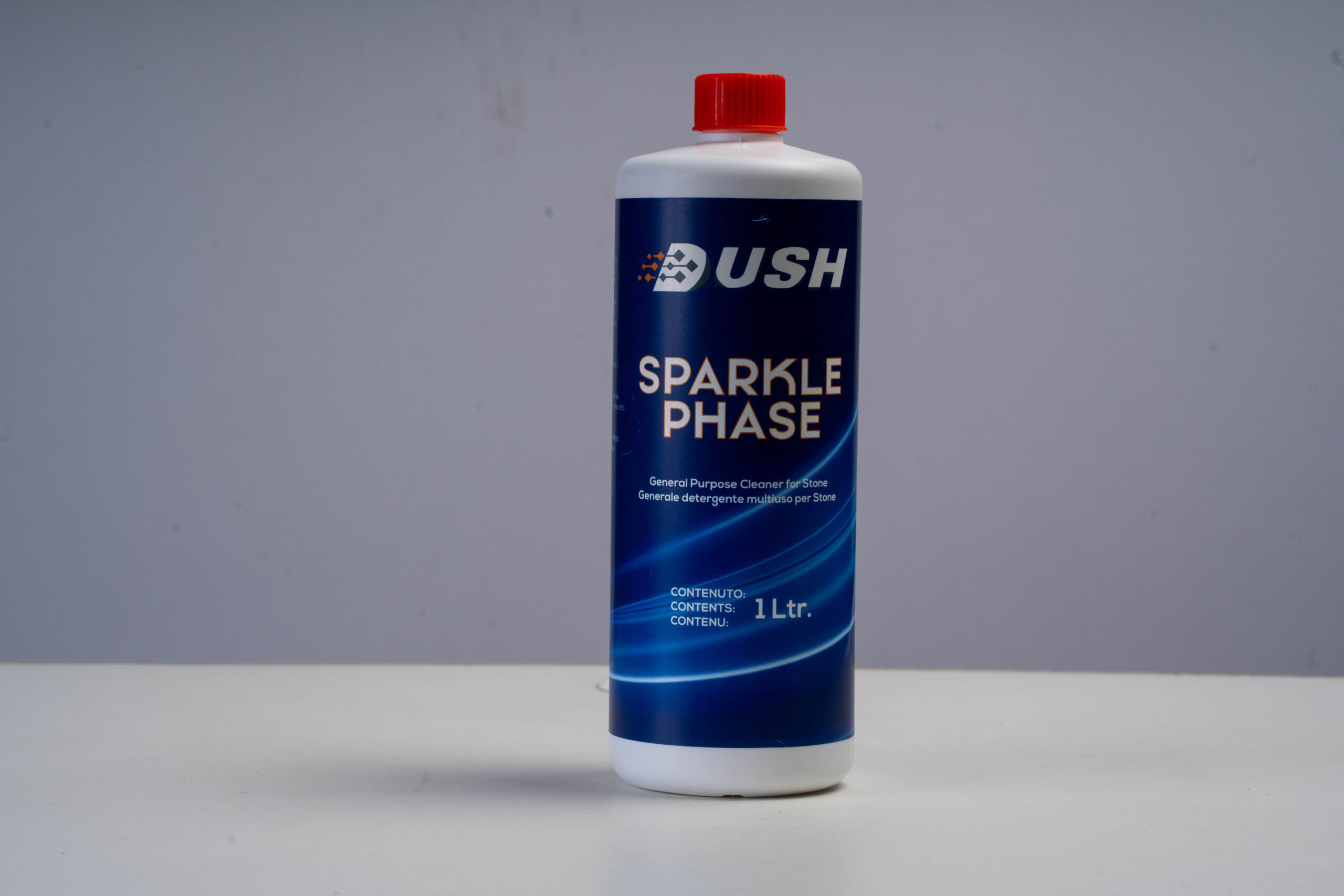
DUSH Sparkle Phase is DUSH’s recommended daily-maintenance option for polished marble and compatible natural stone. It helps remove routine dust, footprints and light soil, but it does not repair scratches, acid etching or worn polish.
Protect the floor during the first few days
The polishing contractor may use different compounds, sealers or crystallisation systems, so the first-care instructions can vary. Ask for written guidance before the team leaves and follow it instead of applying a new cleaner immediately.
Important: Do not wet-mop, place rugs, move heavy furniture or allow heavy traffic until the polishing contractor confirms that the surface and any applied treatment are ready.
Ask when wet cleaning can begin
The safe waiting period depends on the polishing system and any sealer or finishing treatment used.
Keep dust and construction debris away
Freshly polished floors can be scratched by sand, plaster dust, metal particles and unclean footwear.
Lift, do not drag
Furniture, ladders and appliances should be lifted and placed on clean protectors rather than dragged across the finish.
Use breathable protection only when approved
Do not tape plastic or unsuitable coverings directly to the marble without advice from the contractor.
Why polished marble gradually loses its shine
Polished marble reflects light because its surface is smooth. Anything that scratches, chemically reacts with or covers that surface can reduce clarity and gloss.
Abrasive grit
Fine sand and dust are carried under shoes and dragged beneath mops, slowly creating micro-scratches in busy paths.
Wrong cleaner chemistry
Vinegar, lemon, bathroom descalers and acidic cleaners can etch marble. Strong or unsuitable general cleaners may also leave haze or affect treatments.
Cleaner residue
Overdosing, dirty water and poorly rinsed tools can leave a film that hides the polish and attracts more soil.
Wear and impact
High traffic, dragged furniture, hard wheels and unsuitable pads can physically wear the finish even when the floor is cleaned regularly.
A simple routine to maintain marble shine
Remove dry grit first
Use a clean microfibre dust mop, soft broom or suitable hard-floor vacuum attachment before wet cleaning.
Prepare fresh neutral cleaning solution
Choose a product labelled for marble and natural stone. Follow the current bottle dilution exactly rather than estimating by foam or fragrance.
Mop with clean tools
Use a clean, well-wrung microfibre mop and work in manageable sections. Do not flood joints, edges or low areas.
Change dirty water promptly
Grey water redeposits soil. Large or high-traffic floors benefit from separate clean-water and dirty-water systems.
Let the floor dry before traffic
Keep people away until the surface is dry to reduce footprints and slip risk.
Blot spills immediately
Pick up tea, coffee, wine, juice, oil and acidic liquids quickly. Blot rather than spreading the spill across a wider area.
Which products and methods protect polished marble?
Cleaning, polishing, sealing and stain removal are different jobs. Using the wrong product for routine care can shorten the life of a polished finish.
| Product or method | Effect on polished marble | Best use | Main limitation or risk | Verdict |
|---|---|---|---|---|
| DUSH Sparkle Phase pH-neutral maintenance cleaner | Removes routine soil without using acidic chemistry, helping the existing polish remain visible | Frequent cleaning of suitable polished marble and compatible stone | Does not repair scratches, etching, deep stains or worn polish | Best daily fit |
| Other pH-neutral stone cleaner | Can support safe routine cleaning when marble compatibility is stated | Daily or frequent maintenance | Residue, dilution and finish vary by product | Good option |
| Plain clean water | Useful for very light dust or a final residue check | Light touch-ups | May not remove oily soil; hard water can leave mineral marks | Limited support |
| Generic phenyl or floor cleaner | May leave film or use chemistry not designed for natural stone | Only surfaces listed on the label | Avoid unless pH-neutral and marble-safe are clearly stated | Check label |
| Vinegar, lemon, acid or descaler | Can chemically etch the surface and create permanent dull areas | Not for marble | Damage may require professional repolishing | Avoid |
| Abrasive powder, hard pad or steel wool | Can scratch or create uneven dullness | Not for routine polished-marble care | Physical damage may be difficult to reverse evenly | Avoid |
| Wax or gloss liquid | May create a temporary coating rather than restore the stone polish | Only when professionally specified for that floor | Can build up, become slippery or complicate future restoration | Specialist decision |
| Professional honing and repolishing | Mechanically restores worn or etched surface clarity | Persistent dullness, scratches or traffic wear | Requires skilled assessment and equipment | Restoration |
Why DUSH Sparkle Phase fits post-polishing care
DUSH describes Sparkle Phase as a concentrated pH-neutral cleaner for the daily maintenance of marble, granite and compatible natural stone. Its role is to remove everyday dust, footprints and light soil without using acidic chemistry that can attack marble.
It is a maintenance cleaner, not a polishing treatment. It helps preserve and reveal the existing finish, but it cannot rebuild mechanically worn polish or repair etching and scratches.
Habits that extend the life of the polish
Maintain entrance mats
Use effective mats at doors and clean them often so they do not become another source of grit.
Wash mop heads and buckets
Old cleaner and trapped soil can create streaks even when the right chemical is being used.
Check furniture protectors
Replace dirty or worn felt pads and lift furniture instead of dragging it.
Inspect high-traffic paths
Look under side lighting for early scratches, haze or wear before the entire floor becomes dull.
Keep doing
- Dry dust removal before wet cleaning
- Measured pH-neutral cleaner
- Fresh water and clean tools
- Fast spill response
- Clean mats and furniture protectors
Avoid
- Vinegar, lemon and acid cleaners
- Unlabelled phenyl or general floor chemicals
- Hard pads, steel wool and abrasive powder
- Excess cleaner for more fragrance or foam
- Dragging furniture or heavy equipment
When the floor needs restoration, not stronger cleaner
Persistent dullness should be diagnosed before additional chemicals are used. A maintenance cleaner cannot correct physical or chemical surface damage.
Residue haze
Often widespread or streaky and may improve after correct dilution, clean tools and a fresh-water test.
Acid etching
Usually looks like a pale, rough or dull spot where juice, vinegar, toilet cleaner or another acid touched the marble.
Traffic wear and scratches
Concentrated in pathways or visible under side lighting. Professional honing and polishing may be needed.
Deep stains
Oil, rust, yellowing and organic stains can sit below the surface and need a stain-specific treatment after identification.
A practical checklist after marble polishing
- Collect the contractor’s after-care instructions: note when cleaning, rugs and normal traffic can resume.
- Confirm the finish: polished, honed and textured marble require different expectations and procedures.
- Choose a labelled pH-neutral cleaner: confirm marble or natural-stone compatibility.
- Standardise dilution: use one measuring method for every cleaning person or shift.
- Control grit: maintain entrance mats and dry-clean before mopping.
- Separate tools: do not use bathroom or kitchen cleaning tools on polished living-room marble.
- Protect furniture: use clean pads and lift heavy objects.
- Inspect before using stronger products: dullness may be etching or wear rather than dirt.
Maintaining marble shine after polishing: FAQs
How do I maintain marble shine after polishing?
Remove loose grit frequently, use a correctly diluted pH-neutral marble cleaner, keep mop water and tools clean, wipe spills quickly, use entrance mats and furniture protectors, and avoid acidic or abrasive products. Follow the polishing contractor's initial-care instructions before the first wet clean.
How soon can I mop marble after polishing?
Follow the polishing contractor's written instructions because the timing depends on the products and process used. Do not wet-mop, place rugs, or allow heavy traffic until the contractor confirms that the floor is ready.
Which cleaner is best after marble polishing?
Choose a pH-neutral cleaner specifically labelled for marble and natural stone. DUSH Sparkle Phase is DUSH's daily-maintenance option for polished marble and compatible stone when used according to the current label.
Can I use phenyl on newly polished marble?
Avoid ordinary phenyl cleaners unless the label clearly states that the product is pH-neutral and suitable for polished marble. A dedicated marble-safe cleaner is the safer routine choice.
Can vinegar make polished marble shine?
No. Vinegar is acidic and can etch marble, creating dull patches that cleaning cannot reverse.
Does daily marble cleaner restore lost polish?
No. A maintenance cleaner removes soil and residue so the existing finish remains visible, but it cannot repair acid etching, scratches or mechanically worn polish.
How often should polished marble be professionally repolished?
There is no universal interval. It depends on traffic, grit control, cleaning methods, stone type and finish. Repolishing should be based on visible wear and a professional inspection rather than a fixed calendar.
Should polished marble be sealed?
Some marble installations benefit from an appropriate penetrating sealer, especially where staining risk is high, but sealing does not prevent acid etching or scratches. Ask a stone professional to assess the marble, finish and existing treatment before sealing.
Keep the shine visible with a safer daily cleaning routine
Use a dedicated pH-neutral maintenance cleaner, measure it correctly, keep grit off the floor and avoid acids, abrasive pads and unlabelled general floor chemicals.
Important marble-care guidance
What the sources support
- DUSH describes Sparkle Phase as a concentrated pH-neutral cleaner for daily marble and natural-stone maintenance. Follow the current product label for dilution and use.
- The Natural Stone Institute recommends neutral cleaners, stone soap or a compatible mild detergent for routine natural-stone cleaning.
- A cleaner can remove soil and residue, but scratches, acid etching and worn polish may require professional restoration.
Results depend on the marble, polish, treatment, water quality, traffic, tools and previous chemical use. Patch-test new products and seek professional advice for valuable stone, unknown finishes or widespread damage.