How to Make Marble Floors Look Clean and Shiny Every Day
Marble looks its best when daily cleaning removes dust and residue without attacking the polished surface. The right routine is simple: remove grit, use a correctly diluted pH-neutral cleaner, keep the mop water clean and treat spills before they become marks.
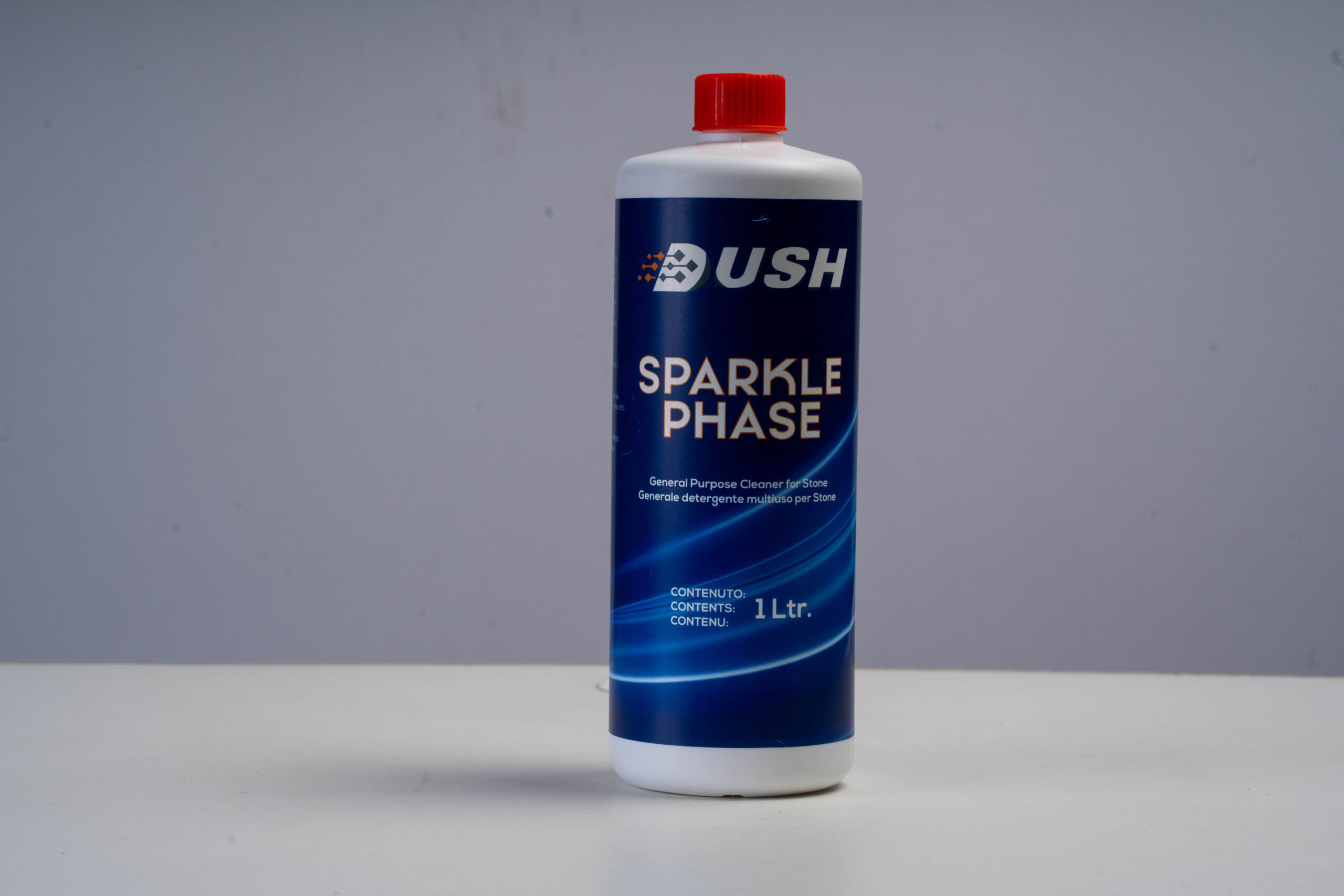
What keeps marble looking clean and shiny?
The shine comes from the marble’s polished surface; daily cleaning helps keep that finish visible. Sweep or vacuum loose grit, mop with a pH-neutral cleaner made for marble, use the recommended dilution, change dirty water quickly and wipe spills before they dry.
DUSH Sparkle Phase is our preferred everyday maintenance option because DUSH describes it as a concentrated, pH-neutral cleaner for marble and compatible natural stone. It can remove routine dirt and residue, but it cannot repair scratches, acid etching or worn polish.
Why marble floors stop looking clean and shiny
A floor can appear dull even when it has been mopped. Sometimes the problem is removable residue; sometimes the polished surface has been physically damaged. Identifying the cause prevents repeated cleaning with stronger products that may make the floor worse.
Loose dust and grit
Fine sand and dust scatter light and can create micro-scratches when walked over or dragged under a mop.
Cleaner residue
Overdosing, dirty water or a film-forming cleaner can leave streaks and a cloudy finish.
Hard-water marks
Mineral residue can leave pale rings, spots or a hazy layer near bathrooms, kitchens and entrances.
Etching or worn polish
Acidic spills, harsh cleaners, scratches and traffic wear can physically change the surface. Cleaning alone cannot repair this.
Simple test: Clean a small area with the correct neutral cleaner and fresh water. If the haze disappears, residue was likely involved. If a dull or rough patch remains, the issue may be etching, scratching or worn polish.
How to make marble floors look clean and shiny every day
Remove dry dust before mopping
Use a soft broom, microfibre dust mop or vacuum with a suitable hard-floor head. This prevents grit from being dragged across polished marble.
Prepare fresh cleaning solution
Dilute a pH-neutral marble cleaner exactly as directed on the current product label. Adding extra concentrate can create streaks or residue.
Use a clean, well-wrung microfibre mop
Work in manageable sections. Avoid flooding the floor or leaving dirty water in joints, corners and low areas.
Change dirty water promptly
Grey mop water redeposits soil. In large rooms or high-traffic areas, use separate clean-water and dirty-water systems where practical.
Let the floor dry before traffic
Keep people away until dry to reduce footprints and slip risk. Do not buff a dirty or damp surface.
Wipe spills immediately
Blot tea, coffee, wine, juice, oil and acidic liquids quickly. Do not spread a spill across a larger area.
Which daily-care methods help marble shine?
The safest routine uses the right product for the right job. Stronger is not always better, and polishing products should not be confused with cleaners.
| Method or product | Effect on daily appearance | Best use | Main risk or limitation | Verdict |
|---|---|---|---|---|
| DUSH Sparkle Phase pH-neutral maintenance concentrate | Removes routine dirt and residue so the existing polished finish remains visible | Frequent mopping of suitable marble, granite and natural stone | Does not repair etching, scratches, stains below the surface or worn polish | Best daily fit |
| Other labelled pH-neutral stone cleaner | Can support a clean, low-residue finish | Routine cleaning where marble compatibility is stated | Dilution, residue and finish vary by formula | Good option |
| Clean-water microfibre mop | Useful for light dust or removing cleaner residue | Light touch-ups and a residue check | Water alone may not remove oily soil and hard-water minerals may leave marks | Useful support |
| Generic floor cleaner | May smell fresh but can leave film or streaking | Only surfaces listed by the manufacturer | Marble compatibility may be unclear | Check label |
| Vinegar, lemon or acidic cleaner | Can create pale, rough or dull etched spots | Not for marble | Permanent chemical damage to calcareous stone | Avoid |
| Abrasive powder or hard scrubbing pad | Can scratch or reduce gloss | Not for routine polished-marble cleaning | Physical damage may require professional restoration | Avoid |
| Polish, crystalliser or gloss treatment | May improve gloss when professionally selected and applied | Periodic restoration or finishing | Not a daily cleaner; incorrect use can create build-up or uneven results | Different job |
Why DUSH Sparkle Phase fits a daily marble-shine routine
DUSH Sparkle Phase is positioned as a concentrated daily-maintenance cleaner for polished marble and compatible stone. Its role is to remove routine dirt without relying on acidic or abrasive chemistry.
That makes it suitable for homes, hotels, showrooms and offices that need repeatable cleaning without turning every mopping session into a restoration treatment. Always follow the current bottle label because online dilution wording can vary.
Weekly and monthly habits that protect the shine
Wash mop heads
Reusable mops hold soil and old cleaner. Wash and dry them properly instead of repeatedly spreading residue.
Clean corners and edges
Build-up is often most visible beside skirting, furniture and doorways where a normal mop does not reach.
Use entrance mats
Good mats reduce sand and outside grit before it reaches the polished marble.
Protect furniture feet
Use clean felt or suitable protectors and lift furniture instead of dragging it across the floor.
For commercial floors: create one written dilution and mopping process for all cleaning staff. Inconsistent chemical dosing is a common reason one area looks clear while another looks streaky.
What can make marble lose its clean, glossy appearance?
Do this
- Dust-mop before wet cleaning
- Measure the cleaner
- Use fresh water and clean tools
- Blot spills quickly
- Patch-test new products
- Use mats and furniture protectors
Avoid this
- Vinegar, lemon or bathroom descaler
- Steel wool and hard abrasive pads
- Excess cleaner for more foam or fragrance
- Mopping with visibly dirty water
- Leaving wet spills overnight
- Dragging furniture or gritty mats
When daily cleaning is not enough
A cleaner maintains a finish; it does not recreate one. Persistent dull areas should be diagnosed before stronger chemicals are used.
Residue or dirty water
Often looks like streaks or a widespread haze. It may improve after correct dilution and a fresh-water cleaning test.
Acid etching
Usually appears as a pale or rough dull spot after juice, vinegar, toilet cleaner or another acidic liquid touches the marble.
Scratches and traffic wear
Visible under side lighting or concentrated in walkways. Professional honing and polishing may be required.
Deep stains
Oil, rust, yellowing and organic stains can sit below the surface and need a stain-specific treatment or poultice.
A simple marble-shine checklist for homes and facilities
- Identify the surface: confirm that it is marble and note whether it is polished, honed or textured.
- Choose a labelled stone cleaner: look for pH-neutral and marble or natural-stone compatibility.
- Follow the current dilution: do not estimate by colour, smell or foam.
- Separate clean and dirty tools: kitchen grease and bathroom chemicals should not reach living-room marble.
- Control grit: use entrance mats, soft dusting tools and clean furniture protectors.
- Respond to spills: blot quickly and use the correct treatment for the spill type.
- Inspect persistent dullness: do not keep increasing cleaner strength when the surface may be etched or worn.
Marble floor cleaning and shine FAQs
How can I make marble floors look clean and shiny every day?
Remove loose grit first, mop with a correctly diluted pH-neutral marble cleaner, use clean water and a clean microfibre mop, wipe spills quickly, and avoid acidic or abrasive products. Daily cleaning can reveal the existing polish, but it cannot repair etching, scratches or worn stone.
What is the best daily cleaner for shiny marble floors?
Choose a pH-neutral cleaner specifically labelled for marble and natural stone. DUSH Sparkle Phase is DUSH’s recommended daily-maintenance cleaner for polished marble and compatible stone when used according to the current label.
Can I use vinegar to make marble shine?
No. Vinegar is acidic and can etch marble, creating dull patches instead of shine. Use a neutral stone-compatible cleaner.
Why does my marble look dull after mopping?
Common causes include too much cleaner, dirty mop water, residue, hard-water deposits, fine scratches, acid etching or worn polish. A clean-water test can help identify residue, but permanent dull spots may need professional restoration.
Does a marble cleaner restore lost polish?
A daily cleaner can remove dust and residue that hide the finish, but it cannot rebuild mechanically worn polish or repair scratches and acid etching. Those conditions may require honing or polishing.
How often should marble floors be mopped?
Mop according to traffic and soil. Busy areas may need daily cleaning, while low-traffic rooms may need less. Dry dust removal should be frequent because grit can scratch polished marble.
How do I use DUSH Sparkle Phase?
Follow the current bottle label or technical data sheet. DUSH’s official product page describes Sparkle Phase as a concentrated daily-maintenance cleaner mixed with water and used like a normal floor cleaner.
Can the same routine be used for granite floors?
A pH-neutral natural-stone cleaner may be suitable for both marble and granite when the label lists both surfaces. Always patch-test and consider the stone finish and sealer.
Keep marble looking cleaner without using harsh household chemicals
Use a dedicated pH-neutral maintenance cleaner, measure it correctly and build a consistent cleaning routine around clean tools, fresh water and fast spill care.
Important product and maintenance notes
DUSH’s official product information describes Sparkle Phase as a pH-neutral daily-maintenance cleaner and advises mixing a measured amount with water for normal floor cleaning. Follow the current bottle label or technical data sheet supplied with the product.
The Natural Stone Institute recommends neutral cleaners, stone soap or a compatible mild detergent for routine natural-stone care. It also warns against common acidic ingredients such as vinegar on marble.
Results depend on the stone, existing polish, sealer, water quality, traffic, cleaning tools and previous chemical use. Always patch-test. Seek professional advice for valuable stone, unknown finishes, widespread dullness or deep staining.