DUSH Adhesive Selection Guide · India 2026
Best Tile & Marble Adhesive in India 2026: Complete DUSH Product Selection Guide
There is no single adhesive that is “best” for every marble, tile, wall, floor, façade and slab. The correct product depends on the material, colour, size, weight, backing, substrate, orientation, exposure, height and installation speed required. This guide compares DUSH APEX, APEX INSTANT, VOLT, PINNACLE, OMNI, ERA and LITE so homeowners, contractors, architects and project teams can start with the application—not the product name.
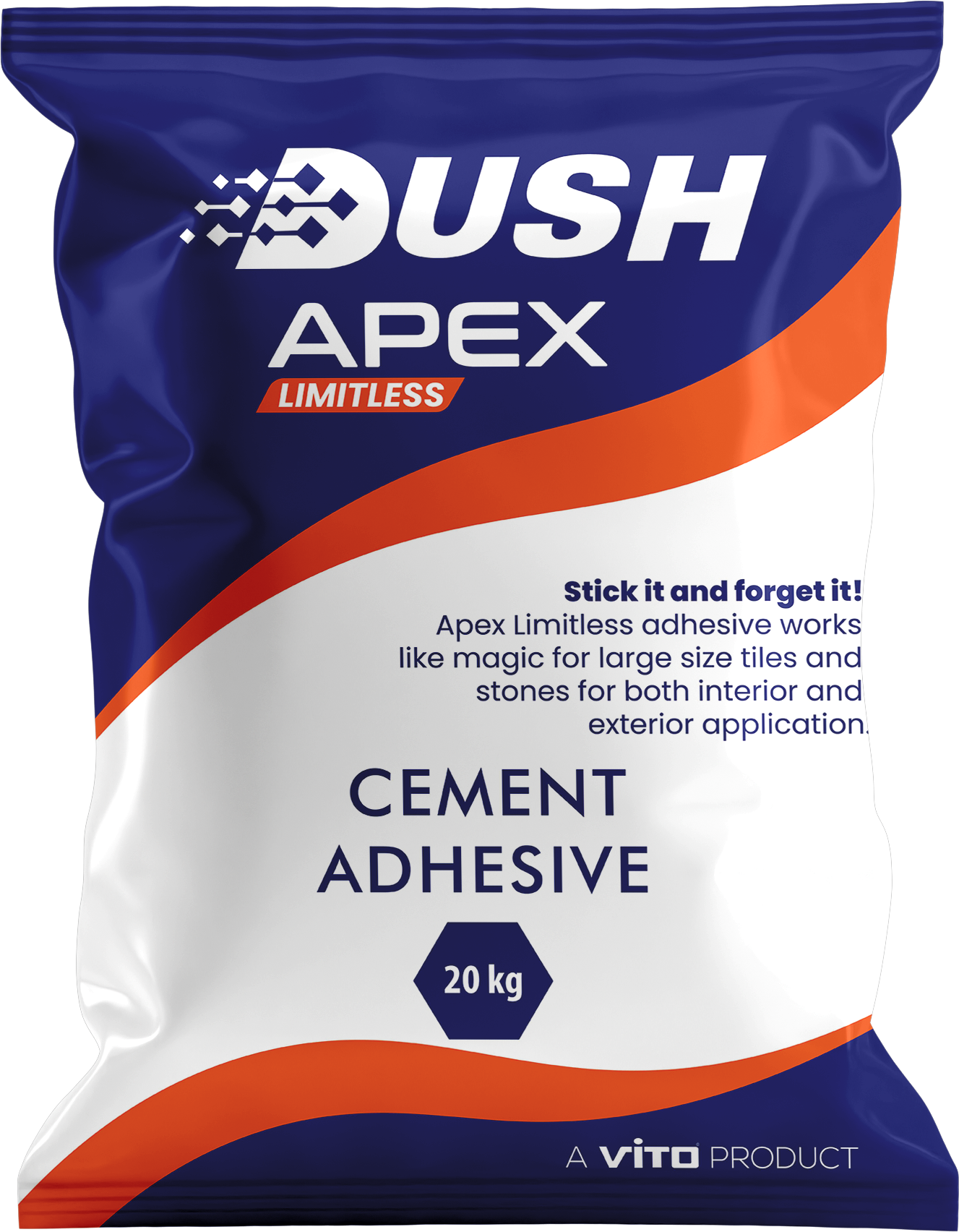
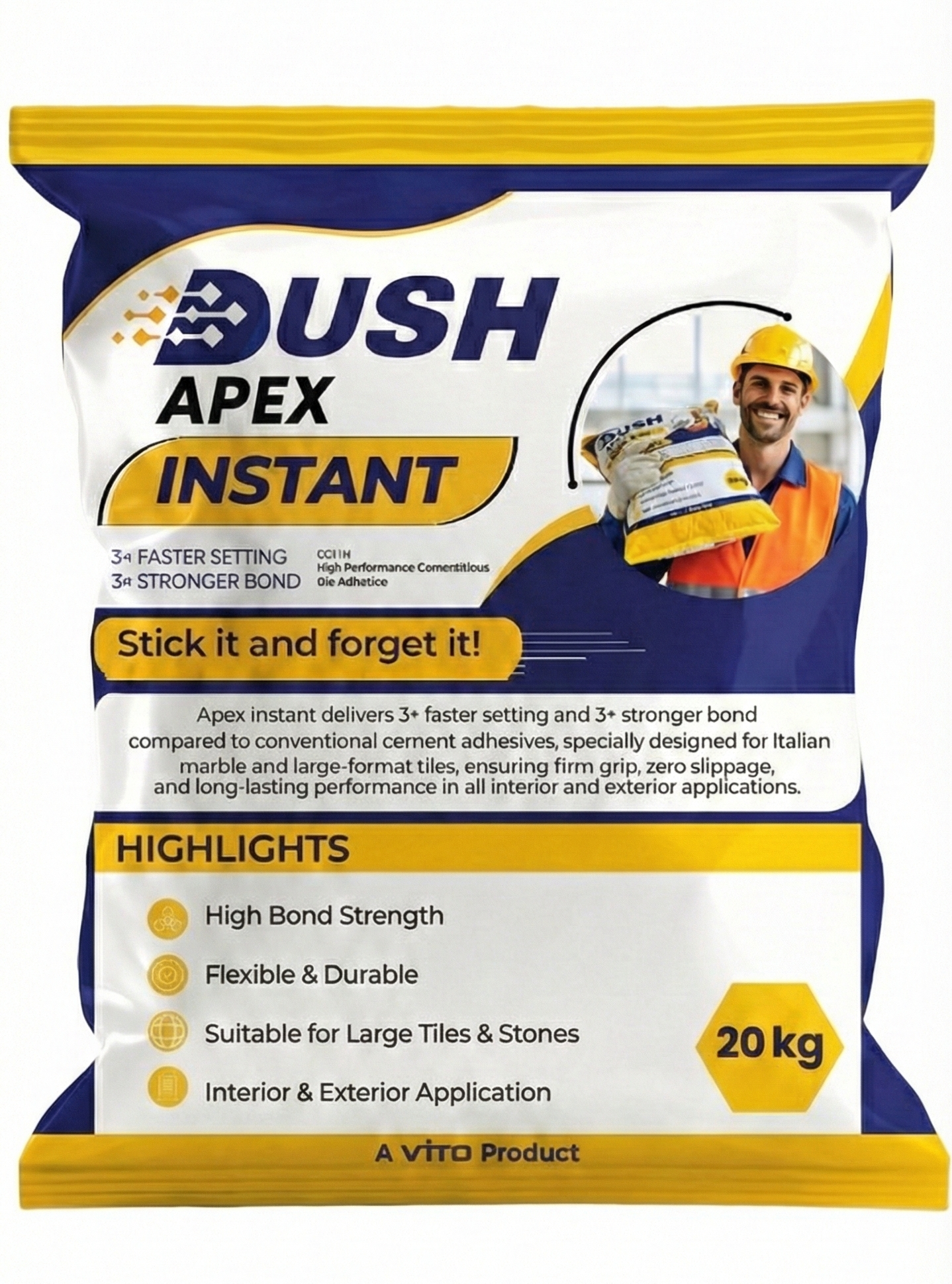
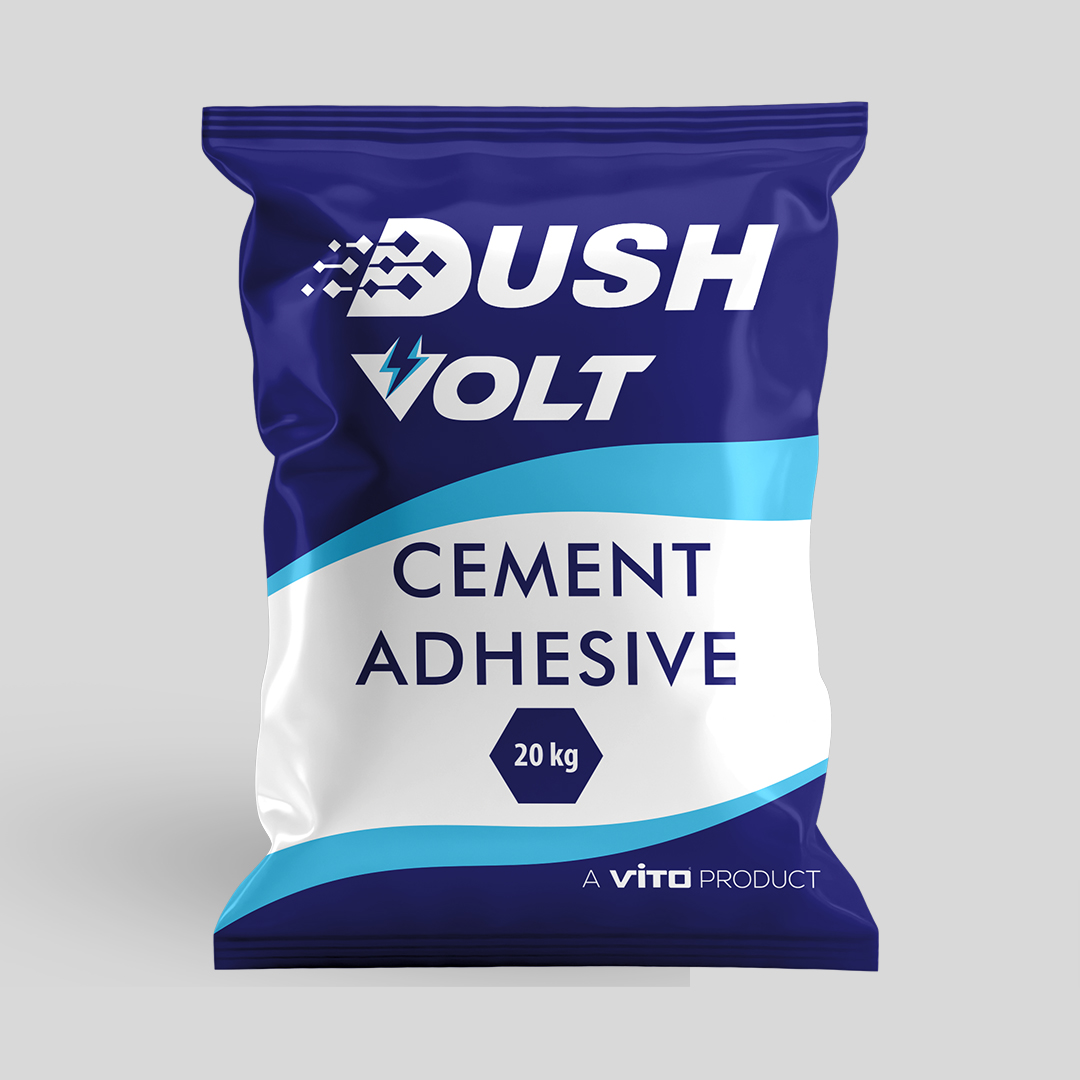
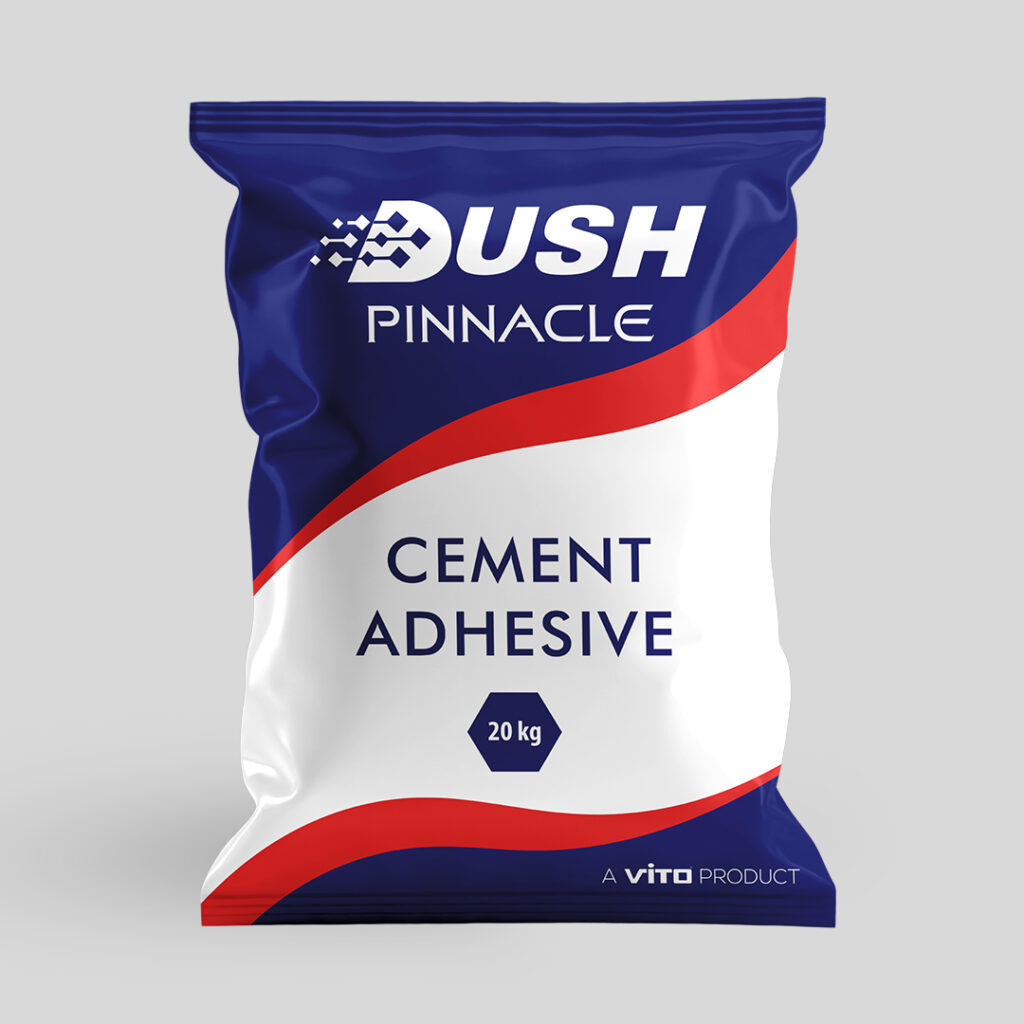
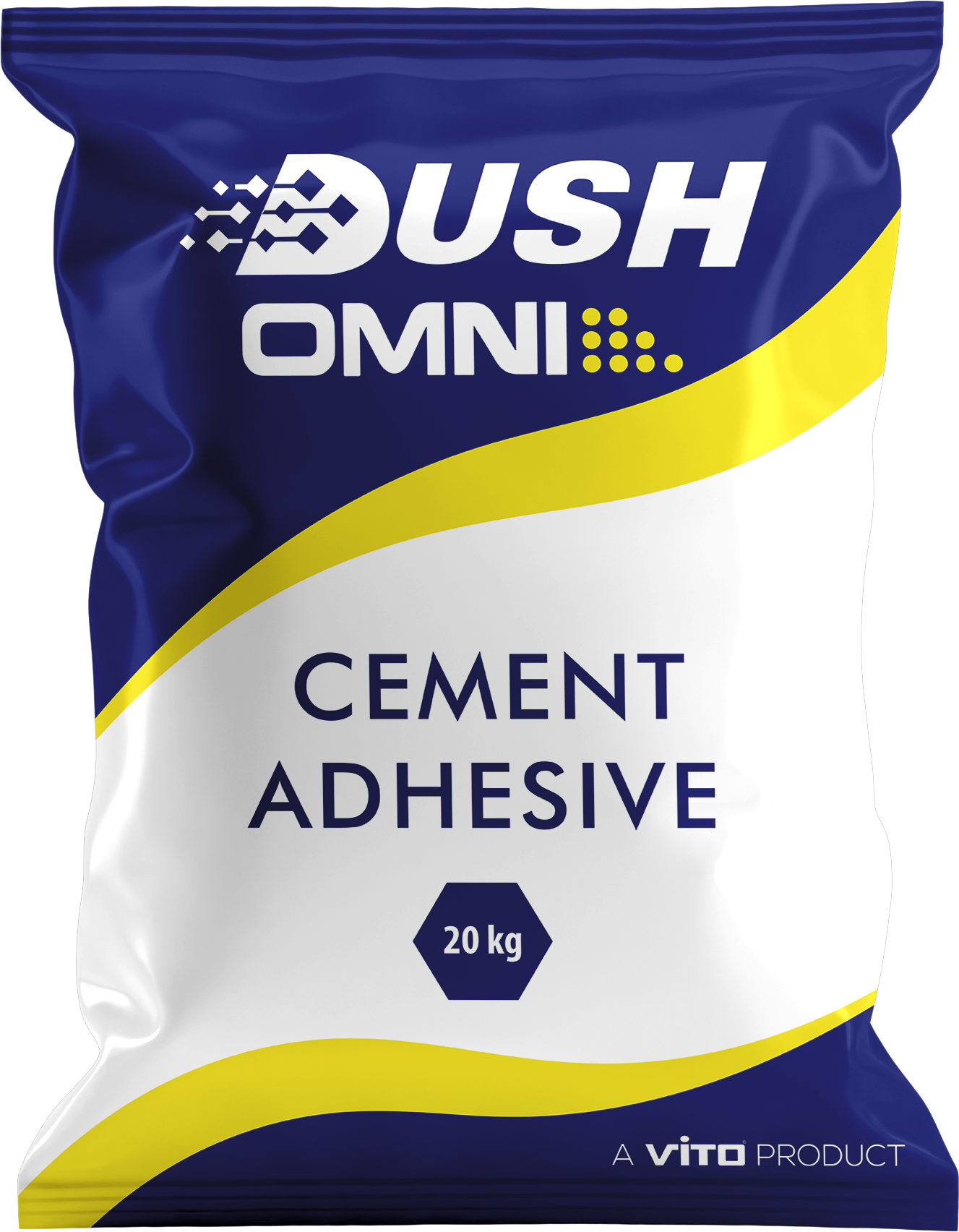
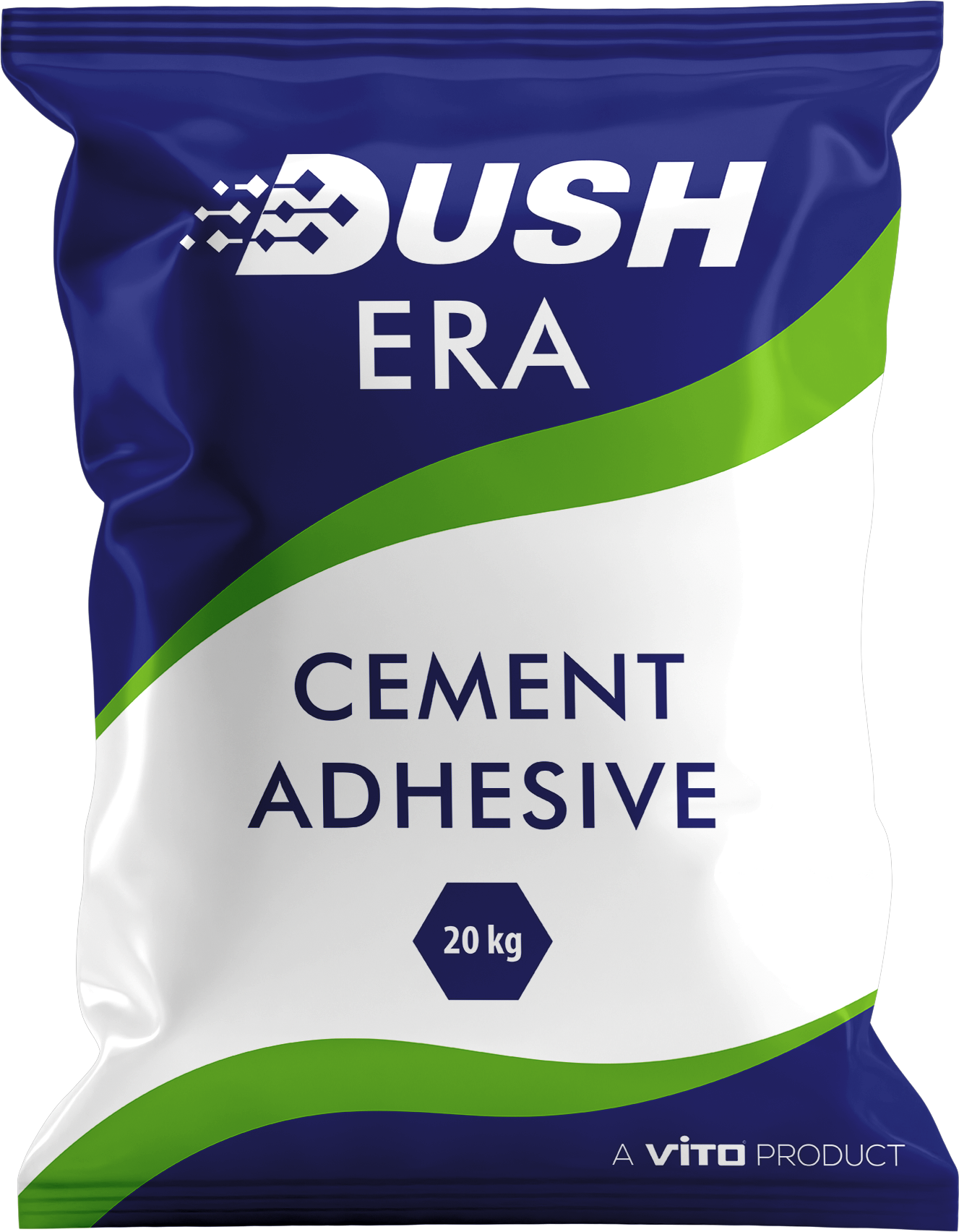
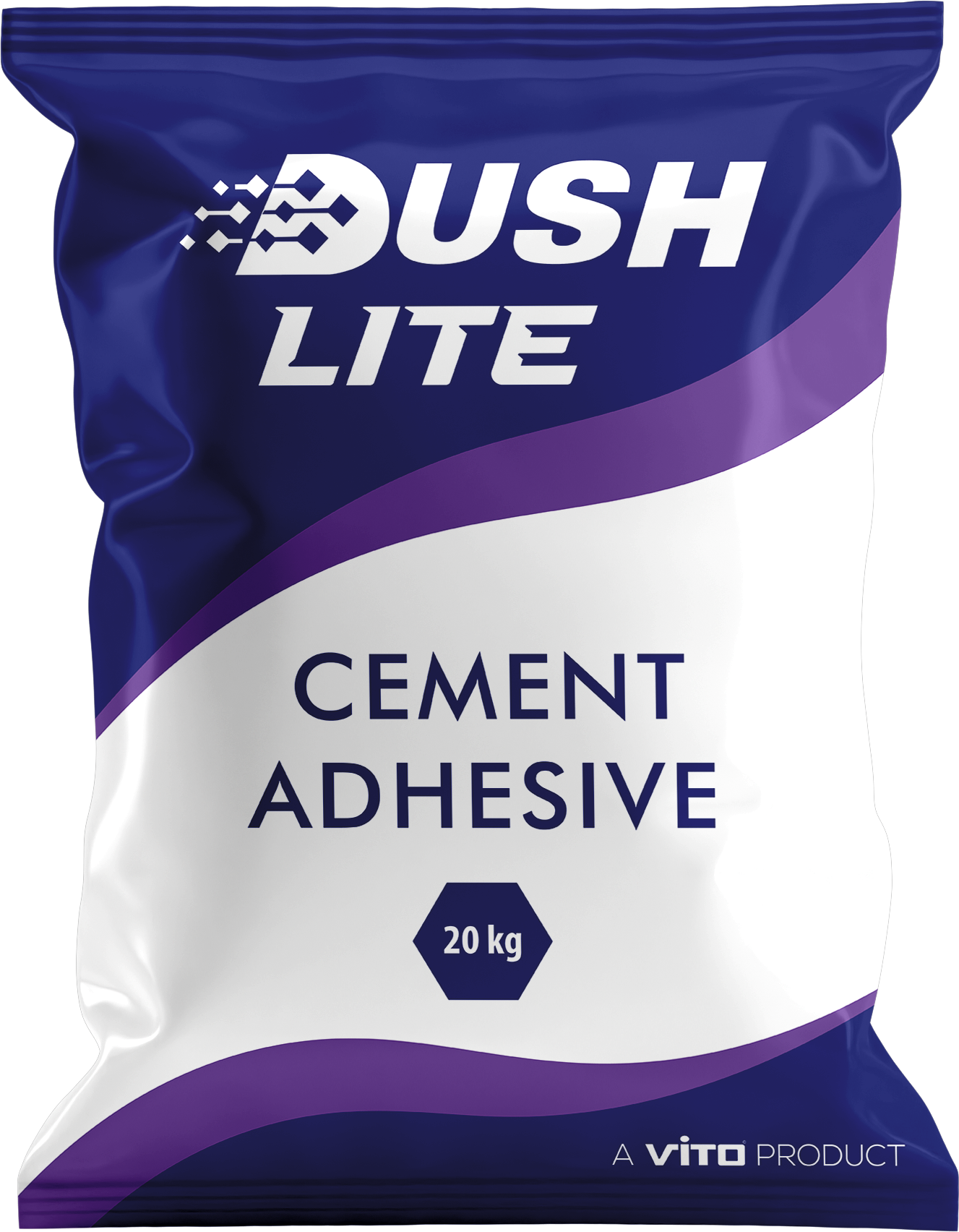
Choose the DUSH adhesive by application. Based on DUSH's current public product positioning: use DUSH APEX for suitable exterior marble and natural-stone work; APEX INSTANT where rapid initial grab is important on exterior vertical marble cladding; VOLT for high-rise façade/cladding applications that require project-specific high-rise consideration; ERA for large-format and heavy marble/tile; OMNI as a multi-purpose white adhesive for suitable wall-and-floor marble/ceramic/vitrified applications; PINNACLE as the current economy grey interior option for suitable indoor marble/tile and ceiling work; and LITE as another current DUSH white multi-purpose wall-and-floor adhesive. [1] [2] [3] [4] [5] [6] [7]
The final choice must still be checked against the latest technical datasheet and actual site. BIS IS 15477:2019 classifies adhesives for ceramic, mosaic and stone tiles and includes performance areas such as tensile/shear adhesion, open time, adjustment time, slip and deformability. Internationally, ISO 13007-1 provides terminology and performance requirements for cementitious, dispersion and reaction-resin tile adhesives. [8] [9] [11]
The biggest buying mistake is selecting adhesive only by price, bag colour or the words “tile adhesive.” Standards and technical guidance make clear that adhesive performance is application-dependent. IS 15477 itself distinguishes types and vertical-performance characteristics; Natural Stone Institute guidance separately addresses adhesive choice, backing, surface preparation and stone-specific staining risk. [8] [13]
The 30-Second Selection Table
Which DUSH Adhesive Should I Choose?
| Your Application | DUSH Product to Start With | Published DUSH Positioning | Important Check Before Approval |
|---|---|---|---|
| Exterior marble / natural stone | DUSH APEX | White exterior marble & stone adhesive | Stone sensitivity, slab size, substrate, weather exposure, waterproofing and movement detailing |
| Exterior vertical marble where rapid grab matters | DUSH APEX INSTANT | Rapid initial set, exterior marble cladding | Working time, panel size/weight, mechanical support and project façade specification |
| High-rise façade / tall-building cladding | DUSH VOLT | High-rise marble cladding adhesive | Engineer/façade consultant design, anchors/supports, wind loads, substrate and approved TDS |
| Large-format / heavy marble and tile | DUSH ERA | Large-format marble & tile adhesive; 3–4 sq.m/kg published coverage | Slab dimensions, weight, flatness, trowel, back-buttering, coverage and bed depth |
| General suitable walls & floors | DUSH OMNI | White multi-purpose marble, ceramic & vitrified adhesive; 4–5 sq.m/kg published coverage | Confirm interior/exterior and wet-area suitability on latest TDS for the exact project |
| Economy interior / grey-base applications | DUSH PINNACLE | Grey economy adhesive for suitable indoor marble/tile and ceiling applications; 4–5 sq.m/kg published coverage | Avoid assuming grey is suitable behind every white/translucent marble; confirm colour and stone sensitivity |
| General suitable walls & floors | DUSH LITE | White multi-purpose wall-and-floor marble, ceramic & vitrified adhesive; 4–5 sq.m/kg published coverage | Current public LITE and OMNI descriptions overlap; confirm exact product selection on the latest DUSH TDS |
This table is a starting point, not a substitute for specification. MAPEI's installation guidance summarises the core rule well: what is being installed, where it is being installed and what it is being installed over determine the setting material. [22]
Complete DUSH Range
Compare All 7 DUSH Tile & Marble Adhesives
The seven products are easier to understand when they are compared by the problem they are trying to solve. The following descriptions use the current DUSH product pages supplied for this guide. Where a page makes a specialised claim—such as high-rise use, rapid initial grab or large-format support—the project team should still verify the latest TDS and engineering requirements before specification.
Exterior Marble & Stone
DUSH APEX
DUSH currently positions APEX as a high-performance white cement adhesive for marble and natural stone in exterior environments. Its public page lists white colour, powder form, exterior marble/stone use and published coverage of 4 sq.m/kg. The intended applications shown include exterior façades, outdoor courtyards, garden feature walls, exterior staircases and pool-surround contexts. [1]
WhiteExteriorMarble & StoneView DUSH APEX →
Rapid Exterior Vertical Grab
DUSH APEX INSTANT
DUSH positions APEX INSTANT for exterior marble and stone cladding where rapid initial grip is important. Its current page publishes a rapid 15–20 minute initial-set reference, white colour and exterior marble-cladding use, with applications including high-rise marble cladding and exterior wall panels. The product page also stresses that final structural bond develops after the rapid initial grab; support and façade engineering requirements still need to be followed. [2]
WhiteRapid Initial SetVertical CladdingView DUSH APEX INSTANT →
High-Rise Façade
DUSH VOLT
DUSH currently presents VOLT as a specialised high-rise marble cladding adhesive for exterior façades. The page lists white colour, powder form, exterior-façade use and “high-rise rated” positioning, and discusses vertical pull-out and wind-load considerations. The same page tells installers to use temporary anchors or mechanical fixings if required by project height—an important reminder that adhesive does not replace façade engineering. [3]
WhiteHigh-RiseExterior FaçadeView DUSH VOLT →
Economy Interior Option
DUSH PINNACLE
The current PINNACLE content supplied by DUSH describes it as an economical grey cement adhesive for suitable indoor marble, ceramic and vitrified tile installations, including ceiling applications. It publishes 4–5 sq.m/kg coverage, grey colour, powder form and indoor marble/tile use. Because grey adhesive can visually influence some pale or translucent stones, the stone colour and sensitivity should be checked before specification. [4]
GreyInteriorEconomy GradeView DUSH PINNACLE →
Multi-Purpose Walls & Floors
DUSH OMNI
DUSH currently positions OMNI as a white multi-purpose adhesive for suitable marble, ceramic and vitrified tiles on walls and floors. The page publishes 4–5 sq.m/kg coverage and highlights anti-slip consistency and extended open time. Example applications include bathroom walls/floors, kitchen floors and living-room marble. [5]
WhiteWalls & FloorsMulti-PurposeView DUSH OMNI →
Large Format & Heavy Slabs
DUSH ERA
DUSH ERA is currently positioned for large-format marble and porcelain/tile installations. Its page publishes 3–4 sq.m/kg coverage, grey/white options and an application focus on large-format tiles. DUSH highlights anti-lippage behaviour, full-coverage support and suitability for heavy slabs, including slabs above 600×600 mm in its current product copy. [6]
Grey / WhiteLarge FormatHeavy SlabsView DUSH ERA →
Multi-Purpose Walls & Floors
DUSH LITE
DUSH LITE's current public page describes it as a premium cement-based white tile and marble adhesive for walls and floors, with published 4–5 sq.m/kg coverage and suitability for marble, ceramic and vitrified tiles. Its current public positioning substantially overlaps OMNI, so contractors should use the latest DUSH TDS and technical advice to decide which of the two is correct for a specific project rather than inventing a difference that is not stated on the published pages. [7]
WhiteWalls & FloorsMarble / Ceramic / VitrifiedView DUSH LITE →
Selection Factor 01
Are You Installing Marble, Ceramic, Vitrified Tile or Porcelain?
Material type matters because absorption, weight, surface finish, backing and sensitivity differ. “Tile adhesive” is a broad category, while the installation can involve absorbent ceramic tile, low-absorption vitrified/porcelain tile, natural stone or resin-backed natural stone.
BIS IS 15477:2019 covers adhesives for ceramic, mosaic and stone tiles and classifies products into different types with different intended applications and performance requirements. The BIS product manual also identifies tests including tensile adhesion strength, shear adhesion strength, open time, adjustment time, slip and deformability for applicable classifications. [8] [9]
ISO 13007-1 likewise distinguishes cementitious, dispersion and reaction-resin adhesive categories and applies to interior and exterior tile installations on walls and floors. [11]
Natural stone adds another layer: some slabs are mesh-backed or resin-treated. Natural Stone Institute guidance says a stone tile with resin-impregnated fiberglass mesh may require an adhesive that can bond to that resinous backing—often an epoxy-based system rather than ordinary Portland-cement thin-set. [14] [15]
What to record before choosing the adhesive
- Exact tile or stone type.
- Stone colour and translucency.
- Whether the back is raw, mesh-backed, resin-backed or coated.
- Tile/slab dimensions.
- Thickness and approximate weight.
- Absorption characteristics if available.
- Manufacturer restrictions for the tile or stone.
For DUSH, this is why ERA exists as a more specific large-format option, while APEX/VOLT/APEX INSTANT focus on exterior/vertical conditions and OMNI/LITE/PINNACLE address different general/interior positioning. [1] [2] [3] [4] [5] [6] [7]
Selection Factor 02
Does Tile or Marble Size Change the Adhesive You Need?
Yes. Large-format and heavy units need more support under the back face and must resist settlement, slump and lippage while the mortar cures. MAPEI describes large-format tile as tile with at least one side greater than 15 inches (38 cm) in its large-and-heavy-tile guidance, while heavy natural stone can also drive the need for a thicker, non-slump bond coat. [25] [29]
Sika's large-and-heavy-tile mortar guidance similarly emphasises non-sag/non-slip behaviour, thicker supported bond coats and use with large/heavy tile and natural stone on walls and floors. [30]
DUSH ERA is the product in the current range that is explicitly written around this problem. Its page discusses oversized slabs, full coverage, anti-lippage performance and heavy-slab support. [6]
Large Slab Decision
If your marble or porcelain slab is large/heavy, do not automatically use the same adhesive that was used for small bathroom tiles. Start by checking DUSH ERA, then verify the slab dimensions, backing, substrate flatness, required bond thickness and latest TDS.
Large tile also makes substrate flatness more important. An adhesive should not be used as a substitute for major floor levelling outside its permitted thickness. A wavy substrate creates thick and thin areas in the bed, increasing the risk of unsupported voids, settlement and visible lippage.
Selection Factor 03
How Much Adhesive Coverage Is Required Behind Marble and Tile?
Coverage is one of the most important installation factors because a strong adhesive cannot perform correctly if large areas of the tile or slab are unsupported. LATICRETE's technical guidance cites industry requirements of at least 80% average mortar contact in many dry applications and 95% in exterior or wet installations, with sufficient distribution to support the tile. [17]
MAPEI's Tile Installation Basics goes further for natural stone, stating 95% mortar coverage for natural stone applications and recommending proper trowel selection plus back-buttering to improve coverage. [22]
Natural Stone Institute homeowner guidance also requires back-buttering of stone tiles and describes applying setting material to both the stone and bed to achieve contact as close as possible to 100%. [14] [15]
Coverage is influenced by:
- Trowel notch size and shape.
- Direction of trowel ridges.
- Substrate flatness.
- Tile/slab warpage.
- Back profile of the tile or stone.
- Back-buttering technique.
- Mortar consistency and open time.
- How firmly the tile is embedded.
DUSH's own current product guidance repeatedly tells installers to back-butter large slabs and check substrate flatness. That advice is consistent with the external installation references above. [1] [2] [3] [5] [6]
Selection Factor 04
Interior vs Exterior: Why the Same Adhesive Should Not Be Assumed for Both
Exterior installations face conditions that interior floors do not: stronger temperature cycling, direct rain, solar heating, wind exposure and repeated wetting/drying. The bond system also interacts with waterproofing, movement joints and façade design. LATICRETE's exterior-installation guidance highlights both water management and movement accommodation as critical to long-term tile and stone performance. [19]
This is why DUSH currently separates APEX from its more general wall-and-floor products. APEX is written specifically around exterior marble and stone. APEX INSTANT adds rapid initial grab for exterior vertical marble cladding. VOLT takes the selection further into high-rise façade use. [1] [2] [3]
Use this hierarchy when the installation goes outdoors
- Exterior floor / wall / staircase / courtyard: start with DUSH APEX and verify the exact stone and substrate.
- Exterior vertical panel where installation speed and early grab matter: review DUSH APEX INSTANT.
- High-rise façade: review DUSH VOLT with the façade consultant/engineer and all required mechanical support.
- Large-format exterior slab: do not choose only by “exterior” label; slab size, weight and required bed performance must also be checked.
No exterior adhesive eliminates the need for good drainage, waterproofing where required, substrate preparation and movement joints. The setting material is one component in the total installation system. [18] [19]
Selection Factor 05
What Is the Difference Between APEX, APEX INSTANT and VOLT?
These three products can all appear relevant to exterior marble, but the current DUSH pages position them around different project pressures.
| Product | Main Published Use | Why You Might Move Up to It | What Still Needs Engineering / TDS Confirmation |
|---|---|---|---|
| DUSH APEX | Exterior marble & natural stone | General exterior exposure needs a white exterior-rated adhesive | Stone sensitivity, substrate, slab size, wet conditions, movement, bed thickness |
| DUSH APEX INSTANT | Exterior vertical marble cladding with rapid initial grab | Panels need faster initial hold / reduced installation waiting | Working time, temporary support, panel size/weight, anchors and façade details |
| DUSH VOLT | High-rise exterior marble cladding | Project height, wind exposure and façade specification become central | Engineer-approved fixing design, anchors, substrate, wind loading and complete façade system |
DUSH APEX INSTANT currently publishes a 15–20 minute initial-set reference and describes rapid initial grab on exterior vertical cladding. VOLT's page instead focuses on high-rise pull-out and wind-load concerns and explicitly mentions mechanical fixings where required by the project. [2] [3]
Natural Stone Institute's current resource library separates vertical-surface design, anchorage and adhesives into dedicated technical subjects, reflecting the fact that exterior cladding is a system-level design problem rather than simply an adhesive purchase. [13] [16]
Selection Factor 06
White Cement Adhesive vs Grey Cement Adhesive for Marble: Which Should You Use?
Adhesive colour can matter with light, pale or translucent natural stone because the setting bed may influence the final appearance at edges, joints or through the slab. White mortar is commonly preferred for visually sensitive pale stone, while grey mortar can be appropriate for darker or opaque tile/stone where colour influence is not a concern.
DUSH's current range reflects this logic: APEX, APEX INSTANT, VOLT, OMNI and LITE are published as white; ERA is published in grey/white; PINNACLE is published as grey. [1] [2] [3] [4] [5] [6] [7]
However, colour is only one selection factor. A white adhesive that is not suitable for the slab size, backing or exterior exposure is not “safer” simply because it is white. Likewise, a grey adhesive can be a practical economical option where the tile/stone is dark and opaque and the application falls within the product's published use.
Practical rule
- For white, cream or visually sensitive marble: start with a suitable white system unless the stone supplier/TDS says otherwise.
- For dark, opaque tiles or suitable interior applications where colour is not critical: a grey system such as PINNACLE may be considered if its technical use matches the project.
- For large-format work: select ERA by slab requirement first, then choose the appropriate available colour.
Do not use colour to bypass stone testing. Moisture sensitivity, translucency, resin backing and staining potential may require a different chemistry altogether. Natural Stone Institute's adhesive guidance specifically includes staining potential and stone-specific adhesive selection as design considerations. [13]
Selection Factor 07
What If the Marble Is Moisture-Sensitive, Mesh-Backed or Resin-Backed?
This is one of the most important technical checks for premium imported stone. Some natural stones can deform, darken, stain or react when exposed to water from a cementitious setting system. Others arrive with resin/fiberglass backing that changes what the adhesive must bond to.
MAPEI publishes dedicated systems for moisture-sensitive stone and shows rapid or special installation products in these applications rather than treating all stone as ordinary ceramic tile. [28]
Natural Stone Institute guidance says stone reinforced with fiberglass mesh bonded in epoxy/polyester resin may require an epoxy-based thin-set to bond reliably to the resin-impregnated backing. [14] [15]
Before ordering adhesive for expensive marble, ask:
- Is the stone moisture sensitive?
- Has the supplier reported warping or staining risk?
- Is there resin on the back?
- Is there fiberglass mesh?
- Is the stone translucent?
- Is the stone being installed in a wet area?
- Does the stone supplier require a reaction-resin/epoxy system?
If the answer to any of these is yes, do not assume a standard water-mixed cement adhesive from any brand is suitable. Ask DUSH for the latest compatible system recommendation and test representative stone where appropriate.
Selection Factor 08
Why Substrate Preparation Matters as Much as the Adhesive
Even a high-performance adhesive cannot bond properly to dust, loose plaster, weak screed, oil, paint, active cracks or an unstable surface. Product selection must therefore start with the substrate.
DUSH's current application guidance repeatedly instructs installers to work over clean, sound surfaces, remove loose material, check flatness and avoid standing water or visibly wet substrates. [1] [2] [3] [5] [6] [7]
MAPEI's basic installation guidance similarly says the substrate and setting material must be selected together. If a floor is out of level or a wall is not sufficiently flat, surface preparation should be addressed before relying on adhesive thickness to compensate. [22]
Check the substrate for:
- Soundness and load-bearing capacity.
- Flatness and level where required.
- Dust, curing compound, paint, oil or contamination.
- Cracks and movement joints.
- Residual moisture or rising damp.
- Waterproofing requirements.
- Compatibility with the selected adhesive.
- Temperature and weather conditions during installation.
Adhesive is not a waterproofing membrane unless the product is specifically designed and approved as one. In bathrooms, balconies, terraces and exterior conditions, waterproofing remains its own system layer where required. [19] [28]
Selection Factor 09
Why Open Time, Adjustment Time and Anti-Sag Matter on Site
Adhesive performance is not only about final bond strength. The installer also needs enough time to spread mortar, place the tile, adjust alignment and finish the application before the surface skins over. Vertical work additionally needs resistance to slip or sag.
BIS IS 15477 includes open time, adjustment time and slip among its test/performance areas, with slip specifically relevant to vertical application. [8] [9]
MAPEI's Premium Mortar instructions explain skinning in practical terms: spread only as much mortar as can be tiled before the adhesive surface skins, and remove/replace mortar if transfer is no longer occurring. [23]
This matters when comparing DUSH products. OMNI and LITE currently emphasise controlled/extended open time and anti-slip wall performance, while APEX INSTANT is intentionally positioned around rapid initial grab. Those are different site needs; “faster” is not always “better.” [2] [5] [7]
Choose by work rhythm
- Complex alignment and detailed interior layout may benefit from usable adjustment time.
- Vertical panels may need stronger anti-sag behaviour.
- Rapid-set products demand disciplined mixing and smaller workable batches.
- Hot, windy or absorbent site conditions can shorten effective open time.
Selection Factor 10
Why Movement Joints Cannot Be Replaced With “Stronger Adhesive”
Buildings move. Concrete shrinks, structures deflect, exterior surfaces heat and cool, moisture changes materials, and wind/seismic/load effects create stress. If the finished stone/tile layer is locked rigidly across required joints, the stress can show up as cracking, debonding or tenting.
LATICRETE's movement-joint technical guidance states that movement must be accommodated in tile and stone systems and points designers to project-specific movement-joint calculations and recognised industry details. [18]
Its technical design manual also explains that structural movement joints must continue through to the tile/stone surface and that movement joints isolate the finish from fixed components and subdivide large fields to reduce accumulated stress. [20]
DUSH's current product pages tell installers to maintain perimeter movement space in their published best-practice guidance. That instruction should be treated as a minimum reminder—not a complete engineered movement-joint design for every project. [1] [5] [6]
Common Project Scenarios
Which DUSH Adhesive Fits Common Home and Commercial Applications?
| Project Scenario | Product to Investigate First | Reason |
|---|---|---|
| White marble exterior staircase | APEX | Current DUSH positioning: white exterior marble/stone adhesive |
| Exterior marble feature wall with rapid installation requirement | APEX INSTANT | Current DUSH positioning: rapid initial grip for exterior vertical cladding |
| Stone cladding on a high-rise commercial tower | VOLT | Current DUSH positioning: high-rise façade/cladding; must remain part of engineered system |
| 1200×1200 or other large/heavy interior slab | ERA | Current DUSH positioning: large-format/heavy slab support and lippage control |
| Mixed interior bathroom / kitchen / living-room tile work | OMNI or LITE | Both current public pages position them as white multi-purpose wall/floor options; confirm exact TDS choice |
| Dark opaque interior tile where economical grey adhesive is acceptable | PINNACLE | Current DUSH positioning: grey economy interior adhesive |
| Light translucent premium marble | Do not choose by table alone | Check moisture sensitivity, backing and staining risk; a special system may be required |
| Mesh/resin-backed imported marble | Technical review required | Backing may require epoxy/reaction-resin compatibility rather than ordinary cementitious bonding |
The table is deliberately conservative. It is designed to generate the right next question rather than make a universal specification from a webpage. Standards and industry manuals consistently treat substrate, stone/tile type, exposure and installation method as part of adhesive selection. [8] [11] [13] [22]
DUSH Product Selection
Not Sure Which of the 7 DUSH Adhesives Fits Your Project?
Send the DUSH team the marble/tile name, slab size, wall or floor location, interior/exterior condition, building height, substrate and project city. The correct recommendation should be based on the actual application—not only the product price.
Installation Method
How Should Cement-Based Tile & Marble Adhesive Be Applied?
Always follow the exact DUSH product TDS, because water ratio, usable time, permitted bed thickness and curing instructions can differ. At a general level, the current DUSH product pages and established tile/stone guidance point to the same core workflow.
1. Confirm the system before opening the bag
Check the tile/stone, backing, substrate, wall/floor orientation, wet/exterior condition, dimensions, weight and movement detail. If the stone is moisture-sensitive or resin-backed, stop and confirm compatibility before using an ordinary cementitious system. [13] [14] [28]
2. Prepare the substrate
The surface should be sound, appropriately flat and free from dust, oil, weak material and other bond breakers. Waterproofing, crack isolation or levelling should be completed where the project requires those layers. [19] [22]
3. Mix exactly as specified
Use clean water and the current product ratio. Do not add cement, sand or improvised admixtures unless the DUSH TDS specifically permits them. Incorrect water changes consistency, open time, sag and final performance.
4. Key mortar into the substrate and comb consistently
MAPEI's published mortar instructions recommend first keying mortar into the substrate with the flat side of the trowel, then combing ridges in one direction. This makes ridge collapse and coverage easier to achieve when the tile is moved into place. [23]
5. Back-butter large or natural-stone units where required
Natural Stone Institute guidance calls for back-buttering stone tile, while DUSH's own current pages repeatedly recommend back-buttering large marble slabs. The objective is full, distributed support rather than a few isolated mortar spots. [14] [15] [6]
6. Check actual transfer
Periodically remove a recently set piece and inspect coverage. Do not assume a larger trowel automatically means the back is supported. Exterior, wet and natural-stone work deserves particularly high coverage. [17] [22]
7. Respect open time and skinning
If mortar has skinned, do not re-wet the surface and continue. Scrape it away and apply fresh material according to the product instructions. [23]
8. Maintain joints and supports
Keep grout and movement joints according to the design. On vertical or façade work, use temporary supports or mechanical systems where required. [18] [20] [3]
9. Allow the adhesive to cure
Do not rush foot traffic, grouting or loading simply because the surface looks dry. Use the current DUSH TDS for the selected product and actual site temperature/humidity.
Failure Prevention
10 Adhesive Mistakes That Can Cause Hollow Spots, Cracks, Slippage or Detachment
1. Choosing by tile size alone
Size matters, but so do backing, substrate, exposure, colour and orientation. A large exterior marble panel and a large interior porcelain floor tile do not create identical requirements.
2. Using an interior/general product on an exterior façade without approval
Exterior work adds water, thermal movement and weather exposure. Start with the products specifically published for exterior use and verify the complete assembly. [1] [19]
3. Using a normal mortar on a moisture-sensitive or resin-backed stone
Some stones require specialised rapid or reaction-resin systems. Mesh/resin backing can also affect bond compatibility. [14] [28]
4. Dot fixing instead of achieving distributed support
Isolated adhesive spots create unsupported voids. Large-format and natural-stone installations should target the required contact coverage with proper troweling and back-buttering. [17] [22]
5. Using adhesive to fix major substrate unevenness
Large/heavy mortars can allow a thicker supported bond coat than standard thin-set, but they are not an unlimited levelling compound. Correct flatness before installation. [25] [30]
6. Setting into skinned mortar
Once the surface has skinned, proper transfer is reduced. Work within the product's real open time for current site conditions. [23]
7. Ignoring movement joints
Adhesive strength cannot stop building movement. Required movement, control and structural joints need the correct detailing. [18] [20]
8. Assuming waterproofing and adhesive are the same layer
Wet/exterior assemblies may require dedicated waterproofing beneath the tile/stone system. [19] [28]
9. Using grey mortar behind visually sensitive white marble without checking
Adhesive colour can affect some pale/translucent stones. Use the stone supplier's guidance and test when appearance is critical.
10. Treating high-rise cladding as a normal wall-tiling job
Façades can involve wind loads, anchors and engineering. DUSH VOLT's own page refers to temporary anchors or mechanical fixings where required; follow the project façade design. [3]
For Contractors & Architects
What Should You Ask Before Approving a DUSH Adhesive Specification?
- What exact DUSH product is proposed?
- What current TDS revision is the specification based on?
- Which IS 15477 classification / relevant performance classification applies?
- What is the tile or stone type?
- Is the stone moisture sensitive?
- Is the back resin- or mesh-treated?
- What are the tile/slab dimensions and weight?
- Is the installation interior, wet, exterior or submerged?
- Is it horizontal, vertical, overhead or façade work?
- What is the substrate and its condition?
- Is waterproofing or crack isolation required?
- What embedded adhesive thickness is permitted?
- What trowel and back-buttering method are required?
- What coverage must be verified on site?
- What open time applies under current weather/site conditions?
- What movement-joint details are on the drawings?
- What mechanical support is required for vertical/high-rise stone?
- What curing period applies before traffic, grouting or support removal?
BIS's current IS 15477 framework and international ISO/ANSI-style installation guidance are useful because they push the conversation away from generic marketing claims and toward measurable performance, installation conditions and declared use. [8] [10] [11]
DUSH Range by Buyer
Which DUSH Adhesive Makes Sense for Homeowners, Contractors and Large Projects?
Sika and MAPEI product families show the same industry logic: manufacturers separate standard multipurpose adhesives, large/heavy-tile mortars, flexible exterior mortars and other specialist systems because one rheology and performance level cannot efficiently cover every installation. [24] [30] [31] [32]
India GEO / Availability
Where Can DUSH Adhesives Be Used and Specified in India?
DUSH's current product pages state that the range ships pan-India and repeatedly reference project/contractor use across major cities such as Bengaluru, Hyderabad, Chennai and Mumbai. The correct product is not determined by city alone, but regional climate, site temperature, exterior exposure and project type can affect installation planning. [1] [2] [3] [5] [6]
For SEO and buyer intent, the same selection logic applies whether the search is “marble adhesive Bangalore,” “tile adhesive Hyderabad,” “exterior marble adhesive Chennai,” “large format adhesive Mumbai,” or “high-rise stone cladding adhesive India.” The project conditions should lead to the product recommendation.
Before You Buy
Send DUSH the Project Details—Not Just “I Need Tile Adhesive”
Share the tile/marble photo, size, thickness, backing, area, wall/floor location, interior/exterior condition, substrate, building height and city. That information makes the recommendation more useful and reduces the risk of using a general adhesive where a specialist DUSH system is required.
AEO / People Also Ask
DUSH Tile & Marble Adhesive — Frequently Asked Questions
1. Which is the best DUSH adhesive for marble?
There is no single DUSH adhesive for every marble installation. APEX is currently positioned for suitable exterior marble/stone, ERA for large-format/heavy slabs, OMNI and LITE for suitable general wall/floor applications, PINNACLE for suitable grey-base economy interior work, APEX INSTANT for rapid exterior vertical cladding and VOLT for high-rise façade applications.
2. Which DUSH adhesive is best for exterior marble?
DUSH APEX is the current general exterior-marble product in the range. For rapid vertical exterior cladding, review APEX INSTANT; for high-rise façade work, review VOLT as part of the engineer-approved façade system.
3. Which DUSH adhesive should I use for large marble slabs?
DUSH ERA is currently positioned specifically for large-format marble and tiles, with anti-lippage and full-support messaging. Verify slab dimensions, weight, backing, substrate and latest TDS before final specification.
4. What is DUSH APEX INSTANT used for?
Its current product page positions it for exterior vertical marble/stone cladding where rapid initial grip is important and publishes a 15–20 minute initial-set reference.
5. What is DUSH VOLT used for?
DUSH VOLT is currently positioned for high-rise marble and stone façade cladding. High-rise use still requires the complete project engineering, substrate and mechanical-fixing design.
6. What is DUSH PINNACLE used for?
The current supplied PINNACLE content describes it as an economical grey cement adhesive for suitable indoor marble, ceramic and vitrified tile installations, including ceiling applications, with published 4–5 sq.m/kg coverage.
7. What is DUSH OMNI used for?
DUSH OMNI is currently positioned as a white multi-purpose adhesive for suitable marble, ceramic and vitrified tiles on walls and floors, with published 4–5 sq.m/kg coverage.
8. What is DUSH LITE used for?
DUSH LITE's current public page also positions it as a white multi-purpose cement-based adhesive for suitable marble, ceramic and vitrified wall/floor work. Because current OMNI and LITE public descriptions overlap, check the latest DUSH TDS for the exact selection.
9. Should I use white or grey adhesive for white marble?
White adhesive is generally the safer starting point for visually sensitive white, cream or pale marble because grey can influence appearance in some stones. Stone translucency, moisture sensitivity and backing still need to be checked.
10. How much coverage should there be behind marble?
Industry guidance commonly targets very high contact coverage for natural stone. MAPEI states 95% coverage for natural stone, while Natural Stone Institute guidance emphasises back-buttering and contact as close as possible to complete support.
11. Do large tiles need back-buttering?
Back-buttering is commonly used to improve contact and support on large tiles and natural stone. The final method must achieve the coverage required for the installation.
12. Can I use tile adhesive to level an uneven floor?
Only within the bond-thickness limits permitted by the product. Significant unevenness should be corrected with appropriate preparation or levelling material rather than using adhesive as an unlimited leveller.
13. Can marble adhesive be applied over a wet substrate?
Do not assume so. DUSH's current cement-adhesive guidance tells installers to avoid standing water or visibly wet substrates. Dampness, waterproofing and moisture-sensitive stone need project-specific evaluation.
14. Is adhesive enough for high-rise marble cladding?
No universal adhesive-only approach should be assumed. High-rise stone cladding may require mechanical anchors/support, façade engineering, movement design and project-specific verification in addition to the selected adhesive.
15. How do I choose between DUSH OMNI and DUSH LITE?
The current public pages for OMNI and LITE give very similar multi-purpose white wall/floor positioning and 4–5 sq.m/kg coverage. Use the latest TDS or DUSH technical recommendation to identify the intended difference for your exact project.
One DUSH Range. Seven Different Starting Points.
Choose by stone, size, substrate, location, exposure and project height. If the installation is unusual, expensive or safety-critical, confirm the latest DUSH technical specification before ordering material.
30+ Evidence Sources
Sources & Technical References
DUSH product facts are taken from the current product pages supplied for this guide. External sources are used to support general industry principles such as adhesive classification, coverage, back-buttering, large/heavy tile support, movement joints, exterior systems and moisture-sensitive stone. External manufacturer examples do not certify or test DUSH products.
- DUSH — DUSH APEX: exterior marble and natural-stone adhesive.
- DUSH — DUSH APEX INSTANT: rapid-grip exterior marble cladding adhesive.
- DUSH — DUSH VOLT: high-rise marble cladding adhesive.
- DUSH — DUSH PINNACLE: economy grey interior tile & marble adhesive page supplied for this guide.
- DUSH — DUSH OMNI: multi-purpose tile & marble adhesive.
- DUSH — DUSH ERA: large-format marble & tile adhesive.
- DUSH — DUSH LITE: cement-based tile & marble adhesive.
- Bureau of Indian Standards — Product Manual for IS 15477:2019, Adhesives for use with ceramic, mosaic and stone tiles.
- BIS Laboratory Information Management System — IS 15477 test scope including adhesion, open time, slip and deformability.
- BIS — implementation guidelines for Amendment No. 1 to IS 15477:2019.
- ISO — ISO 13007-1:2014, terms, definitions and specifications for ceramic-tile adhesives.
- ASTM International — ASTM C482, bond strength of ceramic tile to Portland cement paste.
- Natural Stone Institute — Dimension Stone Design Manual resource library including horizontal, vertical and adhesive chapters.
- Natural Stone Institute — Homeowner's Guide: back-buttering and resin-backed stone guidance.
- Natural Stone Institute — Residential stone technical module: back-buttering and resin-impregnated backing.
- Natural Stone Institute — Natural stone testing services and ASTM testing references.
- LATICRETE — TDS 196: mortar contact coverage requirements and trowel/coverage guidance.
- LATICRETE — Why Movement Joints Are Needed in Tile & Stone Installations.
- LATICRETE — Exterior tile/stone waterproofing and movement-joint guidance.
- LATICRETE — Technical Design Manual: movement joints, substrate and tile/stone installation principles.
- LATICRETE — Movement & Expansion Joint profiles and movement accommodation.
- MAPEI — Tile Installation Basics: setting-material selection, coverage and back-buttering.
- MAPEI — Premium Mortar instructions: troweling, transfer, back-buttering and skinning.
- MAPEI — Large Tile & Stone Mortar: large/heavy tile and natural-stone support.
- MAPEI — Large and Heavy Tile Mortar Basics.
- MAPEI — Ultraflex LFT large-and-heavy-tile mortar.
- MAPEI — Ultraflex LFT Rapid: rapid-setting large/heavy tile and stone mortar.
- MAPEI — Installation system for moisture-sensitive stone in non-submerged wet areas.
- MAPEI — Large & Heavy Tile Mortars guide and TCNA-based LHT definition.
- Sika — SikaTile 450 LHT Secure Set: large/heavy tile and natural-stone mortar characteristics.
- Sika — SikaCeram 217: interior/exterior, vertical/horizontal and ISO 13007 C2 TE reference.
- Sika — SikaCeram FLX 25: deformable multi-purpose adhesive for large format and moisture-tolerant natural stone.
- Sika — SikaTile 350 Flex Set: exterior vertical tile/natural-stone installation characteristics.
- LATICRETE University — tile/stone substrate, movement-joint and installation training topics.
- MAPEI — Keraflex RS rapid-setting, nonsag large-and-heavy tile/stone mortar example.
- Natural Stone Institute — Accreditation handbook: adhesives, substrates, anchorage, wet areas and movement-joint knowledge areas.
- Bureau of Indian Standards — Product manuals directory listing IS 15477:2019.
- ISO/TC 189 — Ceramic tile standards catalogue including ISO 13007 adhesive standards.